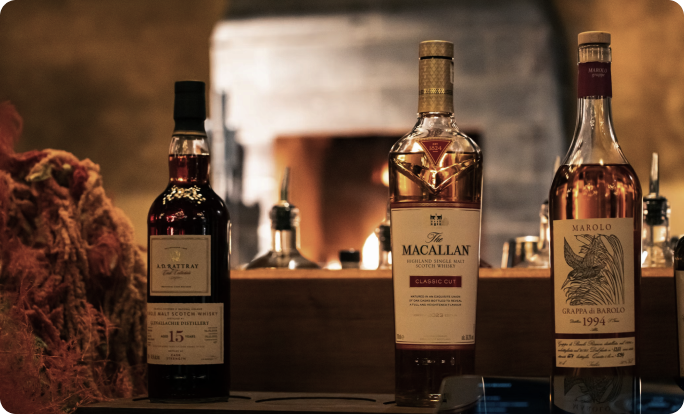
Ballantine’s 12 Year Old Gold Seal 75cl
70cl / 40%
£119.00

- Region: Scotland
If you like this whisky, you will also like these
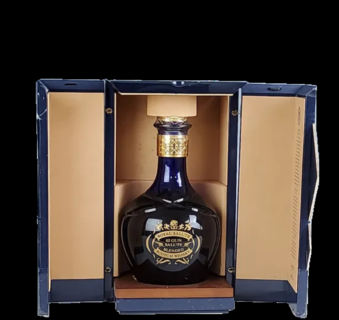
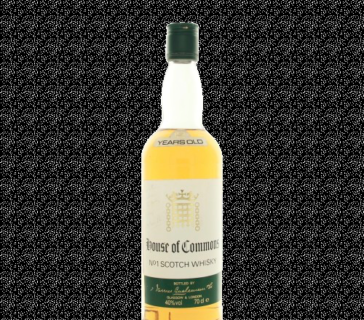

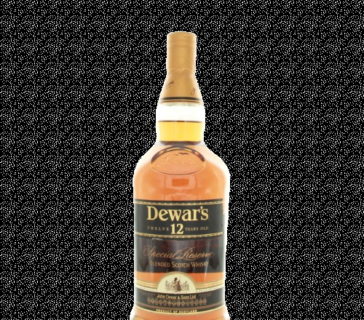


A vintage 'Special Reserve' blend from the pre-millennial era, bottled at the classic 43% ABV and highly prized for its 'old-school' depth and subtle peat influence.
| Field | Details |
| Distillery / Bottler / Country & Region | George Ballantine & Son Ltd. / Scotland, Blended Scotch |
| Category | Vintage Blended Scotch Whisky (Discontinued Presentation) |
| Age / Vintage / Bottled | Minimum 12 Years Old / Circa 1970s–1980s Bottling |
| ABV & Size(s) | 43% ABV / 75cl (Historical Standard) |
| Cask / Treatment | Blended (over 40 components); Casks not specified (Assumed refill Oak) |
| Natural Colour | Likely E150a (Standard for blends of the era) |
| Non-Chill-Filtered | No (Chill-Filtered, common for high-volume blends) |
| Cask Strength | No |
| Bottle count / Outturn | Standard Production, discontinued presentation. |
| Intended channel | International/US Export market before metrication and ABV reduction. |
| Packaging | Clear glass bottle, prominent "Gold Seal Special Reserve" label features. |
| Notes on discrepancies | The 43% ABV and 75cl volume are specific markers of the pre-metrication era, highly sought after for retaining greater flavour esters and providing a richer, fuller mouthfeel than modern 40% versions. |
Historical Context
The "Gold Seal Special Reserve" iteration represents a peak period for quality aged blends destined for global markets. The blend relies on components from key distilleries like Miltonduff and Glenburgie, matured for at least 12 years. The older 43% ABV releases possess distinctive "old-school" characteristics, including notable peat influence and complex maltiness, suggesting a richer, heavier profile was maintained in the malts available to blenders during this period.
Technical Specification & Variant Map
The key technical attraction is the 43% ABV bottling strength, which is above the modern standard and ensures a robustness often lacking in contemporary 40% blends. The 75cl volume confirms its provenance as a product largely aimed at the US or Commonwealth export markets, helping to date the bottling to the 1970s or 1980s.
| ABV | Volume | Market | Era cues | Relative desirability |
| 43% | 75cl | Vintage, North America/Export | Pre-EU standardisation (c. 1970s-1980s) | High (For historical authenticity) |
| 43% | 1 Litre | Vintage, Travel Retail | Pre-EU standardisation (c. 1970s-1980s) | Highest (Large volume, high ABV vintage) |
| 40% | 70cl | Modern Core Range | Current production | Low (Standard mixer) |
Packaging & authenticity checklist
Primary checks include confirming the bottle volume is 75cl (or 1L) and the ABV is 43% Vol.. The condition of the liquid is evaluated by the fill level; buyers should seek bottles maintained at the upper neck level, as vintage corks can fail over time. Cosmetic wear is common and generally acceptable for bottles of this age.
Regulatory/terminology notes
The 43% ABV means that a greater quantity of texture-providing long-chain fatty acids remains in solution compared to a 40% bottling, contributing significantly to the creamy mouthfeel and structural complexity noted by reviewers.
Liquid Profile (from verifiable notes)
- Nose: A complex aroma profile combining juicy malt notes with a surprisingly vibrant peat character, reminiscent of smouldering campfire. Elements include vanilla, solid oak, overripe peaches, and a distinct briny, sea-shore quality.
- Palate: Exceptionally smooth with a thick, creamy mouthfeel. Flavours include thick malt, herbaceous notes, briny sea-spray, and tropical fruits. The taste presents a well-managed interplay between peat and malt. The overall intensity is heightened by the 43% ABV.
- Finish: Relatively short, but featuring a slight chalkiness, pepper, and a subtle lingering trace of peat smoke.
- With water: Water has a minimal effect on the nose but may elicit slightly more heat and spice on the palate, confirming the blend's stability at 43% ABV.
Distillery/Bottler Snapshot
This bottling reflects George Ballantine & Son’s operational strategy in the 1970s and 80s, prioritizing quality and character stability. The blend incorporates malt whiskies that possess a complexity, including traces of peat smoke, that characterizes the flavour norms of that era.
Sourcing
Target formats/eras: Exclusively target bottles marked 43% ABV and 75cl or 1 Litre, confirming the "Gold Seal Special Reserve" designation.
Red flags to avoid: Reject bottles marked 40% ABV. Monitor carefully for fill levels below the shoulder.
Condition thresholds: Accept minor cosmetic wear appropriate for age, but prioritise bottles with secure seals and high fill levels.
Margin/velocity expectations: Low velocity, high value proposition for specialist retail and enthusiastic consumption. Significant margin opportunity exists given the low hammer prices.