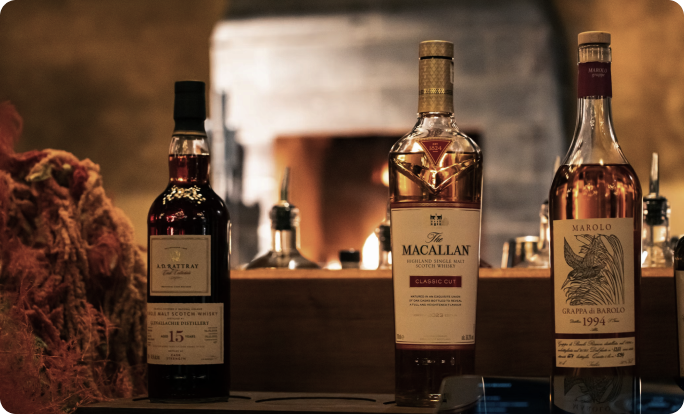
Ballantine’s Gold Seal Extra
75cl / 43%
£119.00

- Malt type: Blended
- Region: Scotland
If you like this whisky, you will also like these



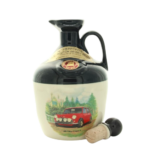
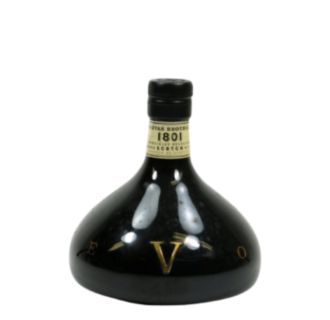

An esteemed 12 Year Old Blended Scotch, the vintage Gold Seal Special Reserve represents the classic, balanced, peaty complexity of 1970s and 1980s blending philosophy.
| Field | Details |
| Distillery / Bottler / Country & Region | George Ballantine & Son / Dumbarton, Scotland / Speyside & Islay components |
| Category | Blended Scotch Whisky (12 Years Old Special Reserve) |
| Age / Vintage / Bottled | 12 Years Old / Varies / 1970s to 1990s (Specific 43% bottlings) |
| ABV & Size(s) | Varies: 40% ABV (standard) or 43% ABV (vintage export). Sizes include 70cl, 75cl, 1L. |
| Cask / Treatment | Matured in Oak casks for 12 years or more. |
| Natural Colour | Not stated by the producer. (Likely E150a added). |
| Non-Chill-Filtered | Not stated by the producer. (Chill-filtered likely for clarity). |
| Cask Strength | No |
| Bottle count / Outturn | Standard premium line, high volume (Specific Gold Seal run discontinued). |
| Intended channel | International export and domestic premium retail. |
| Packaging | Typically sold with a box, and often featuring a metal seal on the closure. |
| Notes on discrepancies | "Extra" is often interchangeable with "Special Reserve." The desirable vintage bottling is defined by the 43% ABV and 1L capacity. |
Historical Context
Ballantine's, tracing its roots back to George Ballantine's store opening in Edinburgh in 1827, has long been a global benchmark for high-quality blended Scotch. The Gold Seal 12 Year Old Special Reserve occupied a significant tier in the portfolio, positioned above the standard 'Finest' blend. This expression originated during a period of blending abundance, when aged stocks from many of Scotland's greatest single malt distilleries were readily available to blenders.
The foundational flavour profile of Ballantine's is built upon the classic Speyside malts, chiefly Miltonduff and Glenburgie. However, the Gold Seal blend is a composition of around 40 distinct malts, including powerful regional components. Archival evidence confirms the inclusion of Islay malts, specifically Ardbeg and Laphroaig, alongside others such as Ardmore, Glendronach, and Tormore. This reveals a key characteristic of older blending philosophy: integrating complex, robustly peated malts to provide depth and structure, resulting in a more savory, maritime, and smoky undertone that is highly sought after by collectors of vintage Scotch. This balanced inclusion of peat creates a distinctly "old-school" profile often missing in modern 12 Year Old blends which prioritize lightness.
A critical point of differentiation for vintage Gold Seal expressions is the bottling strength. Bottles bearing the 43% ABV mark, often in 75cl or 1 Litre sizes, predate the widespread standardisation to 40% ABV and are highly valued as a representation of the liquid as it was originally conceived for premium export markets. The higher proof point ensures greater retention of aromatic compounds, oils, and texture compared to the later 40% releases. Furthermore, the 100cl format specifically links to the operational period under Allied Domecq (1994 to 1999), as confirmed by bottles originating from this era. The prevalence of the 43% bottling from the 1970s and 1980s onwards signifies a consistent commitment to a more flavour-intensive expression for the premium consumer, contrasting sharply with the tamer profile often associated with the later 40% standard bottlings.
Technical Specification & Variant Map
The Gold Seal Special Reserve is mandated to contain whiskies matured for at least 12 years. The complexity relies heavily on the integration of its Speyside core (Miltonduff, Glenburgie) with the more characterful malts used to provide background complexity, including the mentioned Islay components.
The collectibility of this bottling is largely dependent on its ABV. The 43% strength is the archival standard sought, differentiating it from the more common 40% ABV domestic and modern versions. The inclusion of specific cask-derived flavours, often suggesting a creamy texture and vanilla notes, indicates quality oak management in the 12-year maturation period.
Documented variants
Documented variants relate primarily to volume and ABV, reflecting changes in global market regulations over decades.
- 43% ABV: This is the highly desirable premium export and duty-free iteration, available in 100cl (1L) and historical 75cl volumes.
- 40% ABV: The standard domestic release and the current international format, generally found in 70cl bottles.
| ABV | Volume | Market | Era cues | Relative desirability |
| 43% | 100cl | Duty-Free / Export | "Gold Seal - Special Reserved," Metal seal, 1980s-1990s | Very High (Premium format, higher strength vintage liquid) |
| 43% | 75cl | International Export | 1970s/1980s style label, pre-EU standard 70cl measure | High (Vintage liquid, desirable strength) |
| 40% | 70cl | UK/EU Standard | Modern re-releases or later production batches | Low (Standard bottling strength, less rich liquid profile) |
Packaging & authenticity checklist
Authentication of a truly vintage Gold Seal focuses on the volume and bottling strength. A 100cl capacity marked 43% ABV is a strong indicator of a premium mid-1990s bottling. Key text cues include the full distiller details: "BLENDED & BOTTLED BY GEORGE BALLANTINE'S AND SON - DUMBARTON - SCOTLAND". Many vintage bottles are secured with a metal seal on the closure, the condition of which is vital for integrity. Given the age of the most desirable 43% variants, fill level is paramount; anything below the high shoulder indicates potential seal degradation, which may impact the subtle flavours, particularly the delicate peat smoke component.
Regulatory/terminology notes
The term "Special Reserve" implies that the whiskies were specifically set aside for this bottling due to their quality or maturity, although this term is not legally regulated. All components must adhere to the 12-year minimum maturation period. The difference in ABV (43% versus 40%) primarily relates to historical export strength standards across different global jurisdictions.
Liquid Profile (from verifiable notes)
The profile of vintage Gold Seal is noted for its complexity and balance, retaining a robust structure despite being a blend.
- Nose: The colour is a rich golden-amber. Aromatic notes include fruit salad, soft honey, and distinct sherry influence. The high-strength vintage versions exhibit a more complex profile, featuring damp musty malt, smouldering campfire smoke, and a pronounced maritime, briny quality.
- Palate: The mouthfeel is creamy, smooth, and notably thick with malt. Flavours unfold with buttery pastry, vanilla, semi-sweet chocolate, and fine oak spice. Crucially, the palate showcases an excellent interplay between malt sweetness, spice (ginger, pepper), and the gentle but present peat smoke. Tropical fruit notes have also been identified.
- Finish: Described as gentle, medium in length, carrying lingering notes of fruitcake, spice, and a salty nuance. The finish maintains a slight pepperiness and a hint of the underlying peat.
- With water: Not stated by the producer. Independent analysis suggests that the 43% ABV bottling is already balanced and water tends to yield minimal effects, possibly only adding slightly more heat and spice.
Distillery/Bottler Snapshot
George Ballantine & Son, now under Pernod Ricard ownership, is recognised globally for its consistency and quality in blended Scotch. The brand's ability to maintain a signature smooth and complex profile across various price points is due to its expert blenders and its reliance on core Speyside distilleries like Miltonduff and Glenburgie. The historical Gold Seal bottling demonstrates a willingness to invest in superior components and bottling strength (43% ABV) to affirm its position as a genuine premium offering.
Sourcing
- Target formats/eras to prefer: Seek 75cl or 1 Litre bottles clearly labeled 43% ABV. These specific strengths and volumes are strongly indicative of the most desirable, flavour-rich vintage product from the 1970s through the mid-1990s.
- Red flags to avoid: Avoid late 1990s and contemporary 40% ABV bottlings if the target is the distinct profile of vintage Scotch. Ensure the metal seal, if present, is intact, as old seals are prone to micro-leakage.
- Condition thresholds (fill/box/labels): Due to the high age, excellent fill levels (Into Neck or Very Top Shoulder) are critical for preservation of the original flavour structure. The presence of the original presentation packaging enhances archival value.
- Margin/velocity expectations - qualitative: Margin for the seller is moderate when positioned correctly as a vintage 43% ABV variant. Velocity is slow; this is a target for collectors of historical blends rather than mainstream investors.