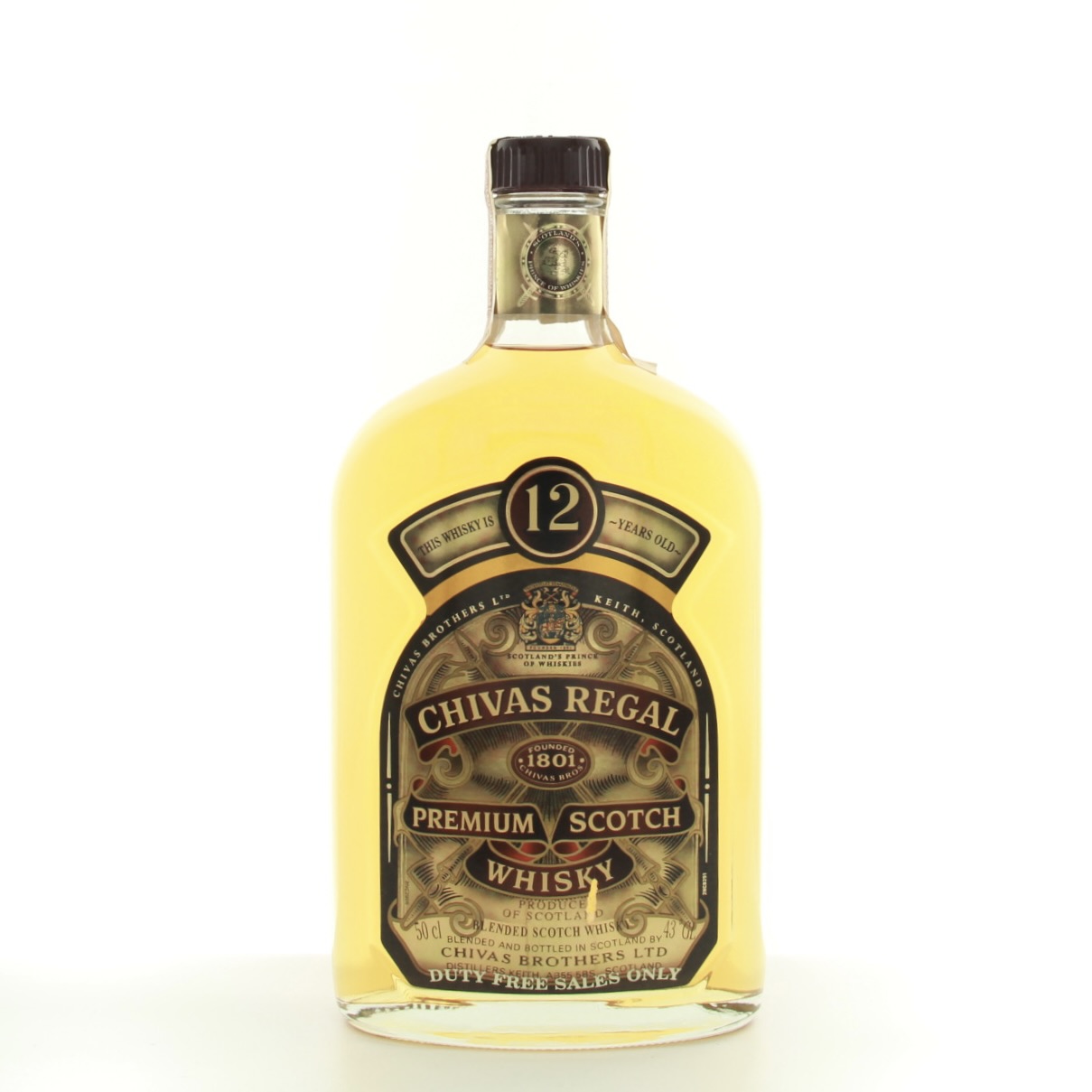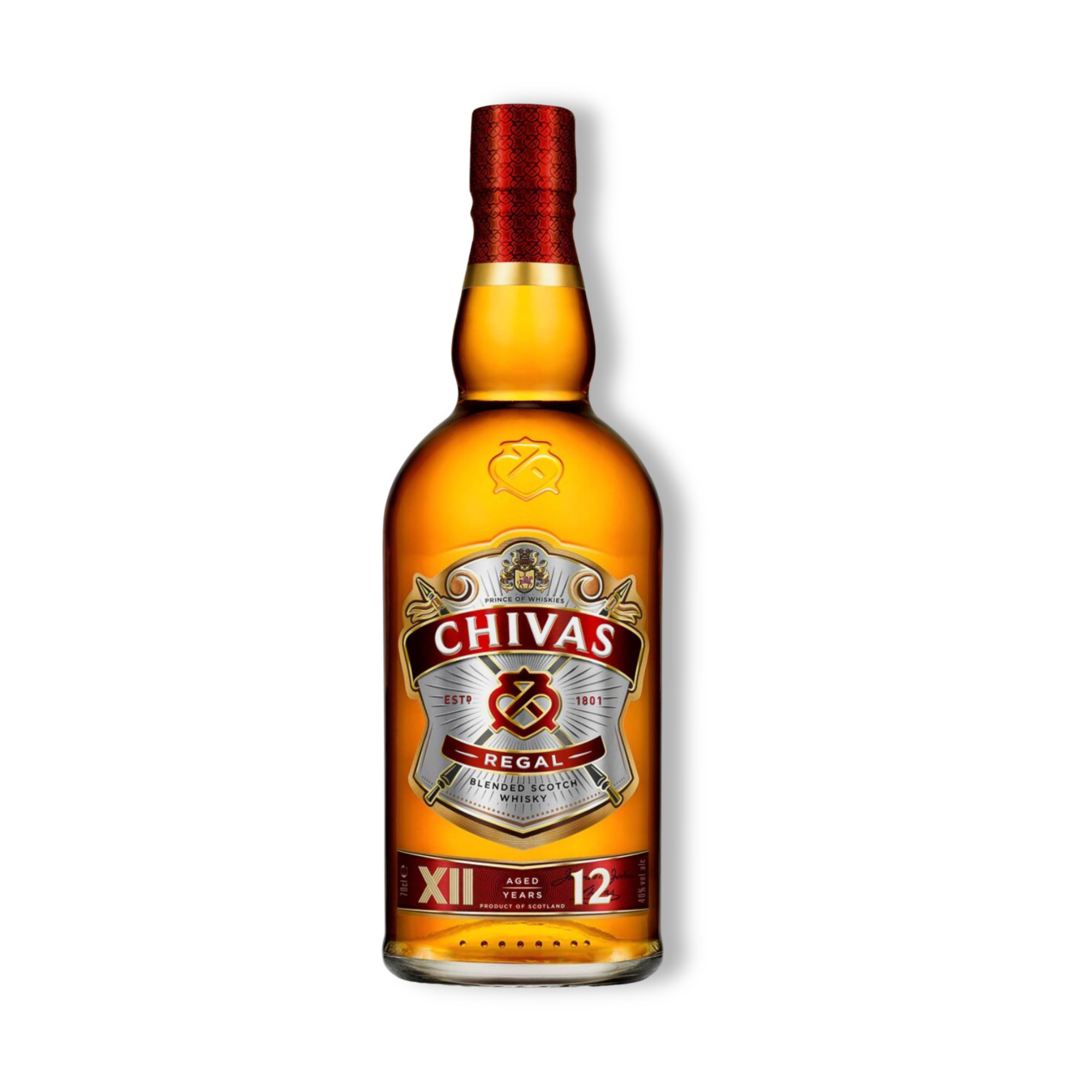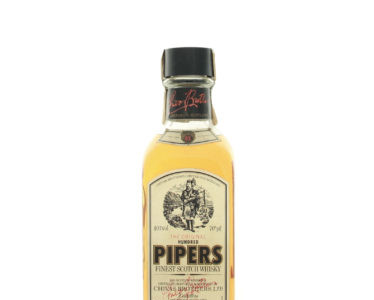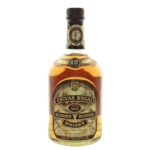
Chivas Regal 12 Year Old (1990s Edition)
50cl / 43%

£59.00
- Malt type: Blended
- Region: Scotland
- Chilfiltered: Yes
- Coloring: Yes
- Nose: The aroma of this Chivas 12 Years Old is a creamy and aromatic delight. It begins with vanilla and continues with the scent of lemon curd and butter toffee, creating a rich and inviting bouquet. As the experience deepens, the fragrance of wood shavings develops, providing a gentle oaky undertone.
- Palate: On the palate, this whisky presents a delightful fruity character with notes of banana. This is seamlessly blended with a creamy surge of barley malt, creating a harmonious balance. The warmth of allspice adds a further layer of complexity, enhancing the overall flavor profile.
- Finish: The finish is characterized by a light spicing and a hint of black pepper. It concludes with lingering notes of cereal sweetness, rounding off the tasting experience with a satisfying and enduring impression.
Tasting Notes
Vanilla, Lemon=n, Toffee
Banana, Malt, Allspice
Medium Finish, Spices
If you like this whisky, you will also like these
A relic of the early 1990s, offering a glimpse into the richer, higher-strength malt character of a classic blend.
| Field | Details |
| Distillery / Bottler / Country & Region | Chivas Brothers Ltd. (Seagram/Pernod Ricard) / Scotland (Blended Scotch) |
| Category | Premium Blended Scotch Whisky |
| Age / Vintage / Bottled | 12 Years Old / Bottled circa 1990s |
| ABV & Size(s) | 43% ABV (Preferred vintage spec), 40% ABV (Common 1990s transition spec) / 75cl, 100cl, 1.75L |
| Cask / Treatment | Mixed Malt and Grain Whiskies; Oak maturation (Core malt: Strathisla, implied) |
| Natural Colour | Not stated by the producer. (Likely E150a caramel added, industry standard.) |
| Non-Chill-Filtered | No (Standard commercial blend practice of the era was chill-filtration) |
| Cask Strength | No |
| Bottle count / Outturn | High Volume (Mass-market blend) |
| Intended channel | Global Standard Retail and Duty-Free |
| Packaging | Classic green/brown glass bottle, usually with a box (design varies widely by market) |
| Notes on discrepancies | The 1990s span the shift from 43% to 40% ABV. The 43% bottling (often 75cl/750ml) is the superior collector format for enhanced flavour. |
Historical Context
Chivas Regal 12 Year Old is a benchmark of the premium blended category, owing its character largely to single malt from Strathisla Distillery. The 1990s bottling epoch is of interest because it captures the whisky prior to deep market rationalisations. During this time, the blend maintained a profile regarded as richer and smoother due to the historical quality of aged components available.
The 1990s witnessed a crucial transition: Historically, many key export markets received the 43% ABV version (sometimes labelled $75^\circ$ Proof). However, throughout the decade, Chivas shifted toward the now standard 40% ABV. For collection purposes, the 43% ABV variant is significantly more desirable, as it is perceived to deliver a fuller, more intense expression of the vintage blend's components.
Technical Specification & Variant Map
Chivas Regal 12 Year Old is a Blended Scotch Whisky, guaranteeing a minimum age of twelve years. The primary distinction for collectors centers on the ABV difference within the 1990s era, reflecting different market strategies.
| ABV | Volume | Market | Era cues | Relative desirability |
| 43% | 75cl (750ml) | Pre-standardisation Export/Domestic | $75^\circ$ Proof stamping (potential) / Absence of bar codes on primary label (early 90s) | High (For flavour comparison/vintage authenticity) |
| 40% | 100cl (1 Litre) | Duty-Free / Late 1990s | Standard metric capacity (100cl) | Medium (High liquidity, lower flavour intensity) |
Packaging & authenticity checklist
Discerning collectors should look for specific indicators confirming the 1990s era, such as the older screw-top caps prevalent then (the cork closure was introduced around 2010). The most important detail is the explicit strength statement, verifying 43% ABV for the premium vintage variant. Since this was a high-volume product, bottles generally maintain good fill levels (mid-shoulder or above), and significant ullage is a warning sign.
Regulatory/terminology notes
All components adhere to Scotch Whisky Association rules, being aged for at least 12 years.1 As a globally marketed blend, E150a caramel colouring and chill-filtration were standard production methods implemented to ensure visual clarity and consistency.
Liquid Profile (from verifiable notes)
The 1990s Chivas 12 is often remembered for a profile slightly heavier in body and fruit than modern equivalents.
- Nose: Initially delicate and slightly shy, offering a balance of red fruit, honey, and graham crackers. Develops muted spices, followed by a creamy aroma, vanilla, and caramel. Some complex notes hinting at light peat-smoke or barrel char have been observed.
- Palate: Presents a light to medium body, offering sweet and soft flavours including strawberries, light cherries, caramels, a touch of spice, cocoa powder, and black pepper. The mouthfeel is smooth and rounded.
- Finish: Exhibits vanilla and oak initially, followed by a slight nuttiness, cloves, and honey. A bitter note of orange zest can appear near the medium-lasting wooden finish.
- With water: The 43% ABV bottling typically accommodates water well, softening the oak notes and allowing the underlying fruit and creamy characteristics to emerge more prominently.
Chivas Brothers operates globally, with the Chivas Regal brand built on a foundation of Speyside malt, notably Strathisla. Vintage bottlings are valued primarily for offering a historical comparative benchmark against modern expressions, suggesting a richer malt profile that can withstand higher ABV levels.
Sourcing
Target formats/eras: The ideal target is the 75cl/750ml bottle at 43% ABV, which represents the pinnacle vintage version of this widely distributed blend.
Red flags to avoid: The primary mistake is confusing the prevalent 40% ABV version with the scarcer, more valuable 43% specification. Avoid bottles with fill levels below mid-shoulder.
Condition thresholds: Very good label condition is acceptable given the mass-market origins and age. Integrity of the closure (screw cap must be tight) is paramount.
Margin/velocity expectations: Stronger margins are realised only on the rare, higher-ABV 43% variants, positioning them as essential historical samples for serious blend collectors.