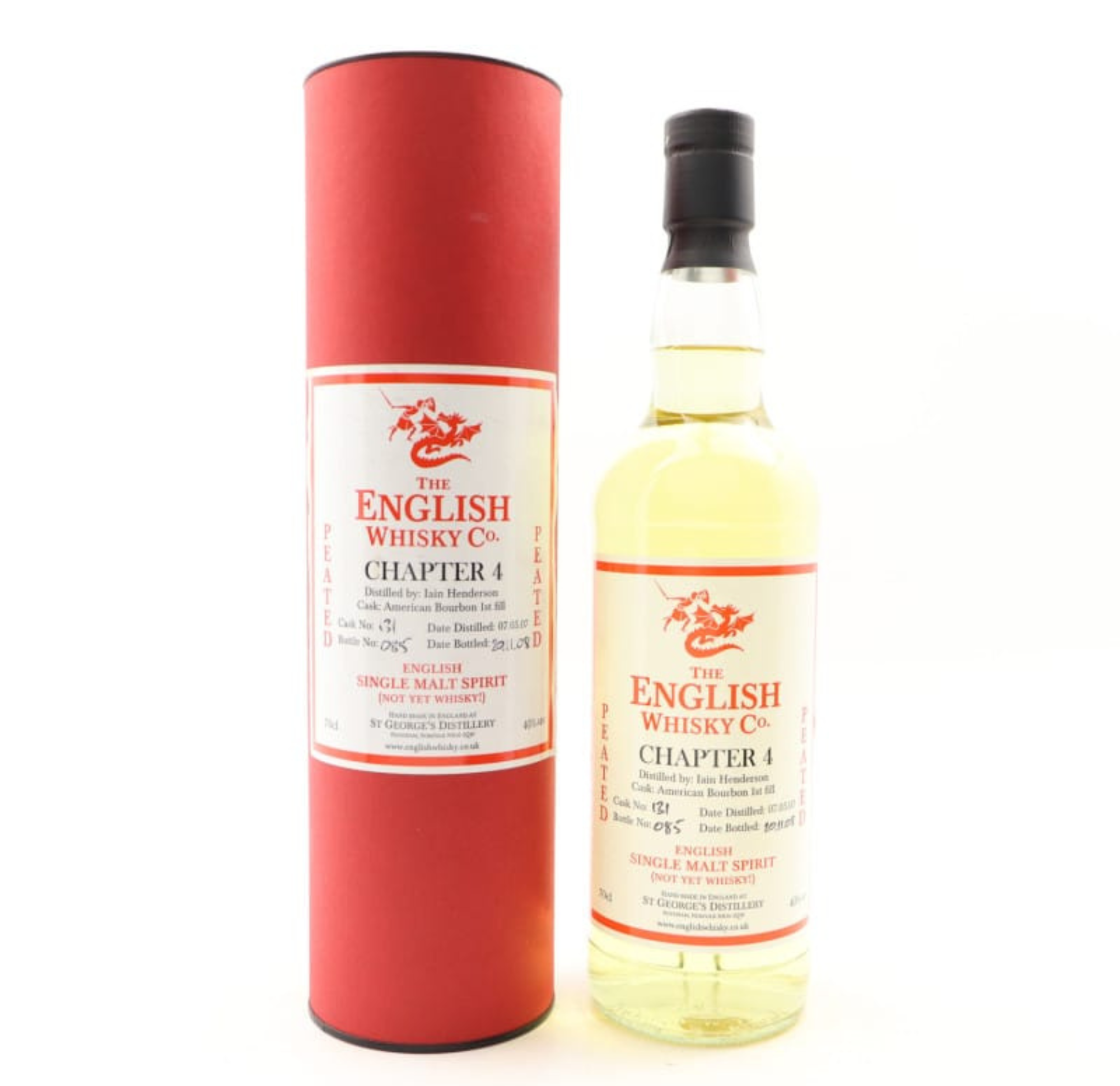
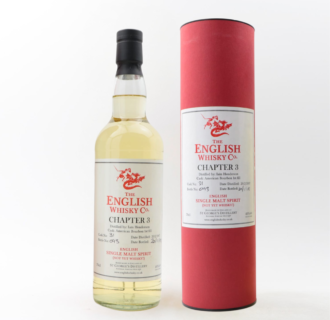
English Whisky Co Not Yet Whisky Chapter 4
70cl / 40%
£99.00

- Region: England
- Chilfiltered: No
- Coloring: No
If you like this whisky, you will also like these
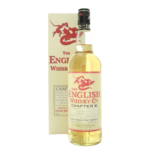
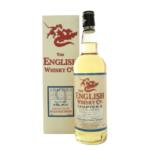
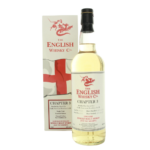
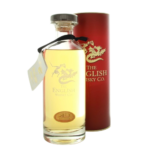
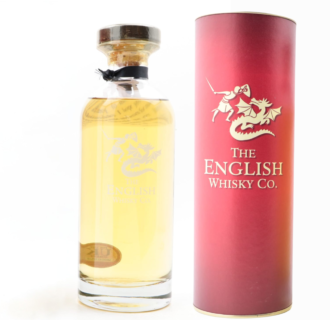
The Genesis of Modern English Whisky: St. George’s Distillery Malt Spirit Chapter 4
Chapter 4 from the English Whisky Co., distilled at St. George’s Distillery in Norfolk, represents a monumental piece of history in the modern global whisky landscape. St. George's Distillery, founded in 2006 by James and Andrew Nelstrop, marked the first registered whisky distillery in England for over a century. This release, labeled "Not Yet Whisky," is a transparent reflection of its unique status as a young spirit released before attaining the necessary age to be legally called "whisky" under common international definitions.
The distillery, situated at Roudham in Norfolk, benefits from exceptional local provenance. Its water source is the crystal-clear Breckland aquifer, drawn from a borehole directly on site, which also provides consistent cooling water at 11 degrees Celsius. East Anglia is also renowned for its barley production; the distillery uses local barley, even tracking the grain through the malting process conducted by Crisps, ensuring deep, localized control over the raw ingredients. The use of three large stainless steel washbacks and a traditional pairing of one wash still and one spirit still defines their relatively small, quality-focused production capacity, rated for 50,000 litres per annum, with capacity for 80,000.
Legal Purity: A Study in Distillate Character
The label "Not Yet Whisky" derives from the legal requirement that Scotch Whisky, and by extension many definitions internationally adopted, must be matured in oak casks for a minimum of three years. Chapter 4 intentionally bypasses this benchmark. Distilled in 2007, this malt spirit was bottled in 2009. This approximate two-year maturation period legally classifies the product as a "Malt Spirit" or "New Make" rather than fully finished "Whisky".
This voluntary transparency is a bold statement of confidence in the quality of the raw distillate. The decision by the English Whisky Co. to release a spirit at such a young age requires immense conviction that their foundational new make—the unique product of the Norfolk barley and stills—is excellent enough to be evaluated before the wood entirely dominates its character. By bottling Chapter 4, the distillery offered a direct, unfiltered glimpse into the very DNA of their production, a rare opportunity for consumers and analysts to isolate the unique profile before long-term wood aging transforms it.
Cask Interaction and Robust Presentation
Chapter 4 was matured in highly active 1st Fill American Bourbon casks. For a young spirit, selecting such robust, active wood is essential. First-fill bourbon casks release rich flavour compounds—vanilla, caramel, and spice—at an accelerated rate, which is crucial for delivering significant maturation impact in just two years, thereby preventing the spirit from presenting as overly raw or aggressively youthful.
To ensure maximum flavor delivery and textural integrity, Chapter 4 was bottled at a robust 46% ABV, and crucially, was presented as Non-Chill Filtered (NCF) and Natural Colour (NC). The higher alcohol content compensates for the spirit's youth by preserving its structural warmth and ensuring the retention of essential oils, which carry much of the grain and bourbon character. The commitment to NCF and NC standards at this early stage in the distillery’s history solidified a promise of purity that continues to define their brand.
For the serious enthusiast or collector, Chapter 4 possesses significant educational value. It allows for the precise study of the distillery's fundamental character—the clean, cereal-forward profile unique to their specific process and ingredients. This spirit serves as the foundational baseline, providing a comparative measure for tracing the subsequent maturation journey of later, fully aged expressions. It is a vital component for understanding the stylistic evolution of the English Whisky Co. from its inception.
Sensory Analysis: Spirit Warmth and Bourbon Sweetness
Appearance: Due to its short maturation and natural colour status, the spirit exhibits a pale, bright straw-gold hue, characteristic of active bourbon wood influence over a limited time.
The Nose (Aroma): The aroma is perceived as light and sweet, characterized by the clear bourbon influence of vanilla and a distinctive bourbony sweetness. The spirit is clearly malt-forward, with prominent cereal notes and a pleasant, integrated nutty aroma.
The Palate (Taste): The palate delivery is notably pleasant. There is an immediate spirit warmth, which is to be expected of a two-year-old malt, yet this warmth is successfully balanced by the sweetness imparted by the first-fill bourbon cask. Tasters noted a character reminiscent of a young, light Glen Grant, coupled with the bourbony sweetness often associated with a Glenmorangie. The structure is defined by soft sweetness, creamy vanilla, and a clean, lively cereal texture.
The Finish: The finish is spirited, medium in length, with persistent warmth and lingering notes of vanilla and gentle oak spice, completing a highly agreeable profile for such a young release.
Technical Transparency and Historical Market Position
As a very early production release, Chapter 4 holds strong historical and curatorial significance rather than purely liquid-driven value. It chronicles the re-emergence of English distillation into the modern era. While not demanding the high prices of mature single malts, its auction appearances confirm its status as an identifiable historical artifact, with winning bids typically ranging between £20 and £25. This low barrier to acquisition makes it an accessible, yet critical, piece of contemporary whisky history.
Table: English Whisky Co. Chapter 4: Technical Spirit Profile
| Distillery | Classification | Legal Status | Distillation Year | Bottling Year | Cask Type | ABV | Purity Standards |
| St. George's Distillery | Malt Spirit / Single Malt | Not Yet Whisky (approx. 2 years) | 2007 | 2009 | 1st Fill American Bourbon | 46% | NCF / Natural Colour |