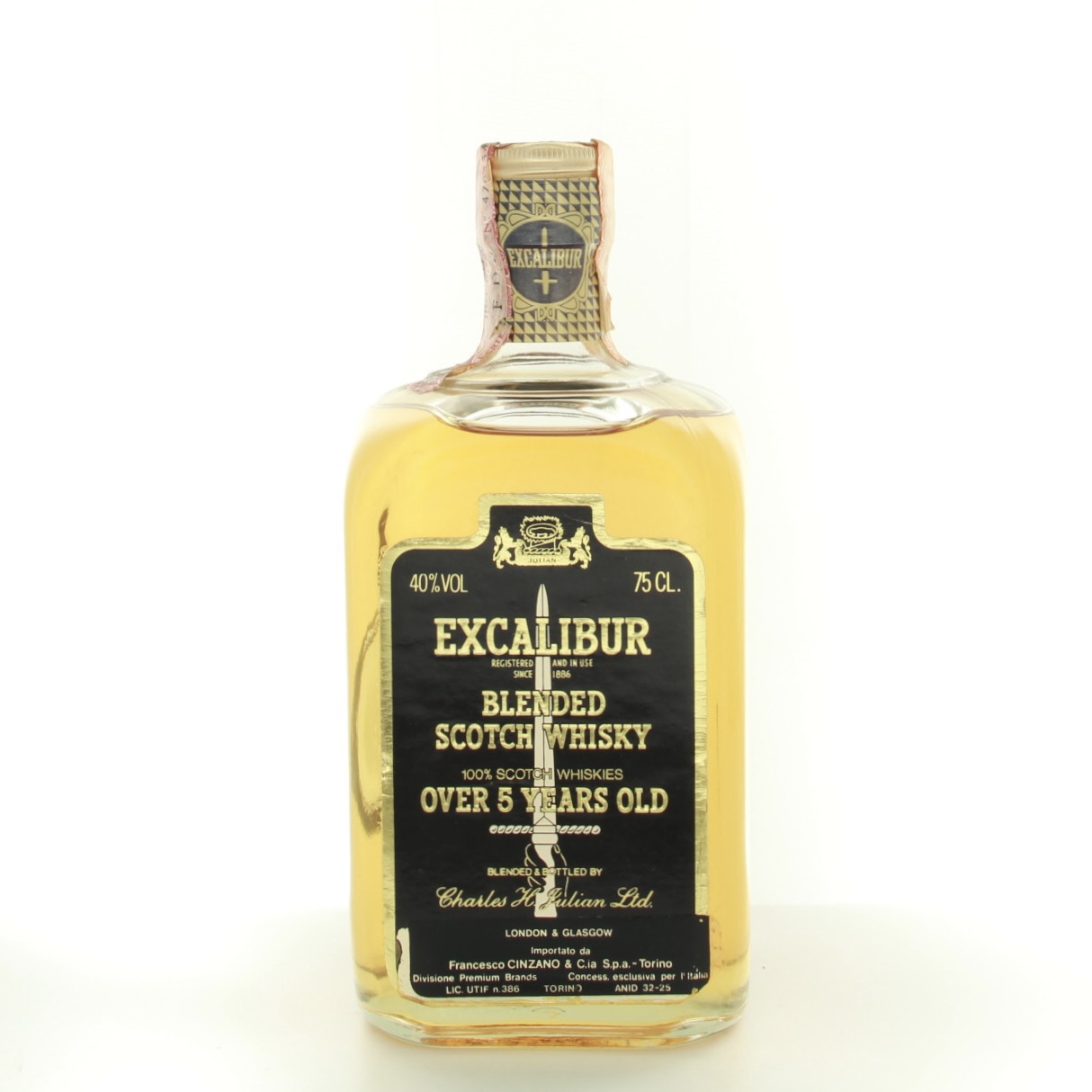
Excalibur 5 Year Old (1980s Edition)
75cl / 40%
£69.00

- Malt type: Blended
- Region: Scotland
If you like this whisky, you will also like these
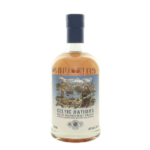
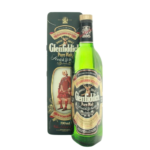

This vintage blended Scotch is a testament to 1980s gift-market presentation, defined by its highly collectable glass decanter format.
At-a-Glance
| Field | Details |
| Distillery / Bottler / Country & Region | Allied Distillers / Scotland |
| Category | Blended Scotch Whisky |
| Age / Vintage / Bottled | 5 years / 1980s Bottling |
| ABV & Size(s) | 40% ABV / 75cl |
| Cask / Treatment | Not specified; standard maturation profile |
| Natural Colour | Not stated by the producer |
| Non-Chill-Filtered | Not stated by the producer |
| Cask Strength | No |
| Bottle count / Outturn | Not stated by the producer |
| Intended channel | Premium gift / Duty-Free |
| Packaging | Glass Decanter with Metal Stopper |
| Notes on discrepancies | Sizes 75cl/750ml dependent on export market. |
Historical Context
The Excalibur 5 Year Old was produced by Allied Distillers during the 1980s, an era heavily focused on luxurious marketing and executive gift presentation, particularly for the duty-free channel. The five-year age statement places the liquid in the youthful, highly accessible category, predominantly composed of sweet grain whisky. The key analytical point is that its market value (ranging from 90 to 150 GBP) is entirely independent of the liquid’s intrinsic quality. The defining value factor is the distinct glass decanter format and substantial metal stopper. This bottling functions as a highly specific collector’s item—a decorative piece from a defined era of whisky marketing—shifting the focus for sourcing and authentication entirely towards the physical condition of the vessel.
Technical Specification & Variant Map
The specification is typical of a high-volume 1980s blend, bottled at the standard strength of 40% ABV. The liquid profile is known to be simple, light, and accessible, relying on sweet, light grain components. The absence of statements regarding natural colour or non-chill filtration is customary for blends of this age and style, where consistency was prioritised.
Documented variants
-
Verified ABVs: 40% ABV.
-
Sizes: 75cl (UK/EU) and 750ml (North America and certain export markets).
-
Packaging: The core decanter and metal stopper design is consistent, but minor variations exist in the presentation box design.
Variant Matrix
| ABV | Volume | Market | Era cues | Relative desirability |
| 40% | 75cl | UK/EU Gift Market | Glass decanter, metal stopper | Moderate |
| 40% | 750ml | North America Export | Decanter, specific import sticker | Moderate (slight premium for pristine export packaging) |
Packaging & authenticity checklist
Authentication and valuation are critically linked to the integrity of the decanter format. The metal stopper has proven less reliable for long-term sealing than corks or screw caps. Buyers must conduct a thorough inspection for signs of oxidation, corrosion on the metal element, and low fill level (ullage). The risk of significant ullage is the single greatest determinant of current market value. Bottles with low fills (at or below mid-shoulder) retain almost purely ornamental value and suffer severe penalties. Verification of the fill level near VTS (Very Top Shoulder) or HS (High Shoulder) is paramount. Generic decanter shapes from various Allied brands can sometimes be mistaken for this specific bottling, requiring verification of branding.
Regulatory/terminology notes
The 5-year age statement confirms that the youngest spirit component meets the legal minimum requirement for Scotch Whisky. Standard practice in the 1980s did not mandate disclosure of caramel colouring or chill filtration status, and such details are not stated by the producer.
Liquid Profile (from verifiable notes)
The documented flavour profile aligns with its youthful, accessible positioning.
-
Nose: Light, clean, and dominated by sweet notes of light honey and cereal. Minimal evidence of heavy oak influence.
-
Palate: Simple and light-bodied. The primary characteristic is a sweet grain flavour profile balanced with mild vanilla, concluding with a brief flash of alcoholic warmth.
-
Finish: Short, clean, and notably fast, typical of younger, grain-heavy blends.
-
With water: Not advised, as dilution would likely dissipate the already light concentration of flavours.
Distillery/Bottler Snapshot
Allied Distillers was a major corporate entity in the 1980s Scotch whisky industry, managing vast inventories and production capabilities. Their blending strategy focused on producing consistent, approachable whiskies for the global mass market. The liquid standard for the Excalibur line is typical of the era: consistent, relying on a balanced blend of malt and grain components to achieve sweetness and neutrality.
Sourcing
-
Target Formats/Eras: Exclusively the 1980s glass decanter format (75cl or 750ml, 40% ABV).
-
Red Flags to Avoid: Low fill levels, visible signs of cork or stopper failure (corrosion/oxidation), and significant label or box degradation. The value resides entirely in presentation.
-
Condition Thresholds: Bottles must be verified near VTS/HS. Lower fill examples should only be considered if the acquisition price reflects only the ornamental value.
-
Margin/Velocity Expectations: Velocity is low, reflecting the niche collector market. Margins must be set high enough to absorb the costs associated with rejecting high-risk (low-fill) examples.