
Glen Scotia 1992- 2009 The MacPhail’s Collection
70cl / 43%

£169.00

- Malt type: Single Malt
- Region: Scotland
- Chilfiltered: No
- Coloring: No
Tasting Notes

Herbal Honey, Sea Shore, Vanilla, Tropical Fresh Fruit and Soil

Oak, Gape Seeds, Salt, Smoke, Iodine and Vanilla

Long Finish, Smoke, Coal, Vanilla and Oak
If you like this whisky, you will also like these






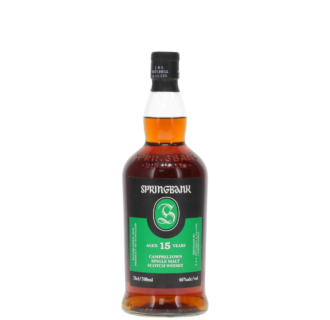





A pure 17-year-old Campbeltown malt, this bottling provides a crucial, consistent reference point for the distillery’s delicate, maritime spirit during its turbulent 1990s era.
At-a-Glance
| Field | Details |
| Distillery / Bottler / Country & Region | Glen Scotia / Gordon & MacPhail (G&M) / Scotland, Campbeltown |
| Category | Single Malt Scotch Whisky |
| Age / Vintage / Bottled | 17 Years Old (1992 Vintage) / Bottled 2009 |
| ABV & Size(s) | 43% ABV; 70cl |
| Cask / Treatment | Matured exclusively in Refill American Hogsheads |
| Natural Colour | Yes (No added E150) |
| Non-Chill-Filtered | Yes (NCF) |
| Cask Strength | No |
| Bottle count / Outturn | Small batch (Exact count not stated by the producer) |
| Intended channel | Specialist Retail, Independent Bottler Market |
| Packaging | Standard G&M MacPhail’s Collection bottle, characterized by a specific white and blue label design. |
| Notes on discrepancies | The 1992 vintage is particularly desirable due to documented volatility in the quality and consistency of official Glen Scotia releases produced during the early 1990s. |
Historical Context
The Glen Scotia distillery experienced considerable periods of operational instability and fluctuating quality throughout the late 1980s and into the early 1990s. The 1992 vintage, independently selected and bottled by Gordon & MacPhail (G&M) in 2009, commands respect precisely because it offers a guaranteed standard of quality that bypasses the potential inconsistencies observed in official distillery bottlings from that specific decade.
G&M, renowned globally for its meticulous stock management, released this whisky under their MacPhail’s Collection. This range is explicitly designed to present technically pure expressions (Non-Chill-Filtered (NCF) and Natural Colour) at an accessible 43% ABV. The exclusive use of Refill American Hogsheads for maturation was a strategic decision to ensure minimal active wood influence. This choice allows the delicate, maritime, and subtly fruity character intrinsic to the Campbeltown spirit to remain the dominant profile. For connoisseurs, this bottling serves as a critical, reliable, and well-aged reference point for Glen Scotia’s production during a difficult historical period.
The deliberate technical methodology employed by G&M is viewed by the market as a conscious effort to produce a 'purist's' version of Campbeltown malt.
Technical Specification & Variant Map
The technical specification is rigidly controlled by G&M's philosophy of purity and minimal intervention. The 17 years of maturation ensures full integration and complexity.
Documented variants
The MacPhail’s Collection adheres to a highly standardized specification: 43% ABV, 70cl, NCF, and Natural Colour. For this specific vintage and bottling year, variations are practically non-existent.
Variant Matrix
| ABV | Volume | Market | Era cues | Relative desirability |
| 43% | 70cl | Global Specialist | MacPhail’s Collection 1992/2009 specified label | Highest (Standard Bottling) |
Packaging & authenticity checklist
Authentication relies on verifying the consistency of the G&M standardized, technically descriptive labeling.
Closure: Standard cork closure. Inspection should include checking the cork or foil for any signs of minor seepage or discoloration.
Labels: The label must clearly display the distinct Gordon & MacPhail MacPhail’s Collection design, explicitly citing the 1992 Distillation and 2009 Bottling dates.
Common Mixups: It is necessary to guard against confusion with official Glen Scotia 17 Year Old releases from similar timeframes, which often do not carry the NCF or Natural Colour assurances.
Decanter/Low-Fill Risks: The risk of low fill is minimal due to the relatively recent bottling date (2009) and the consistent use of high-quality corks by G&M.
Regulatory/terminology notes
The explicit use of the NCF (Non-Chill-Filtered) and Natural Colour claims acts as a specific regulatory selling point, signaling process transparency and technical purity. The 43% ABV is the standard presentation strength for this specific G&M series.
Liquid Profile (from verifiable notes)
The profile is light, complex, and highly maritime, successfully showcasing the classic, often understated character of Campbeltown malt.
Nose: Features a prominent coastal influence, characterized by notes of brine, wet stone, and sea air. These maritime notes are expertly balanced by distinct green apple, pear, and mild, sweet malted cereal.
Palate: Exhibits a lightly oily mouthfeel, attributable to the NCF status. The taste begins with a sharp maritime salinity, followed by white pepper, smooth vanilla, and a clean fruity flavour. The profile is remarkably clean, avoiding any harsh influence from excessive oak.
Finish: Medium in length, clean, and dominated by lingering salt and delicate spice notes.
With water: The addition of a small amount of water is recommended, as it often helps to release additional mineral and subtle fruit notes, subtly expanding the profile.
Distillery/Bottler Snapshot
Gordon & MacPhail (G&M) is internationally respected for its stringent quality control protocols. Glen Scotia is a traditional Campbeltown distillery known for producing classic, maritime single malts. This bottling pairing guarantees both historical authenticity of the spirit and assured maturation quality.
Sourcing
Target formats/eras: Specifically target the 1992 Vintage, 2009 Bottling, within the MacPhail’s Collection series.
Red flags to avoid: Labels belonging to different G&M series, or bottlings that do not explicitly confirm the NCF and Natural Colour standards.
Condition thresholds: Excellent label condition is generally the standard expectation for G&M collector bottlings. High fill levels are also anticipated.
Margin/velocity expectations: Steady velocity can be maintained with moderate, reliable margins.