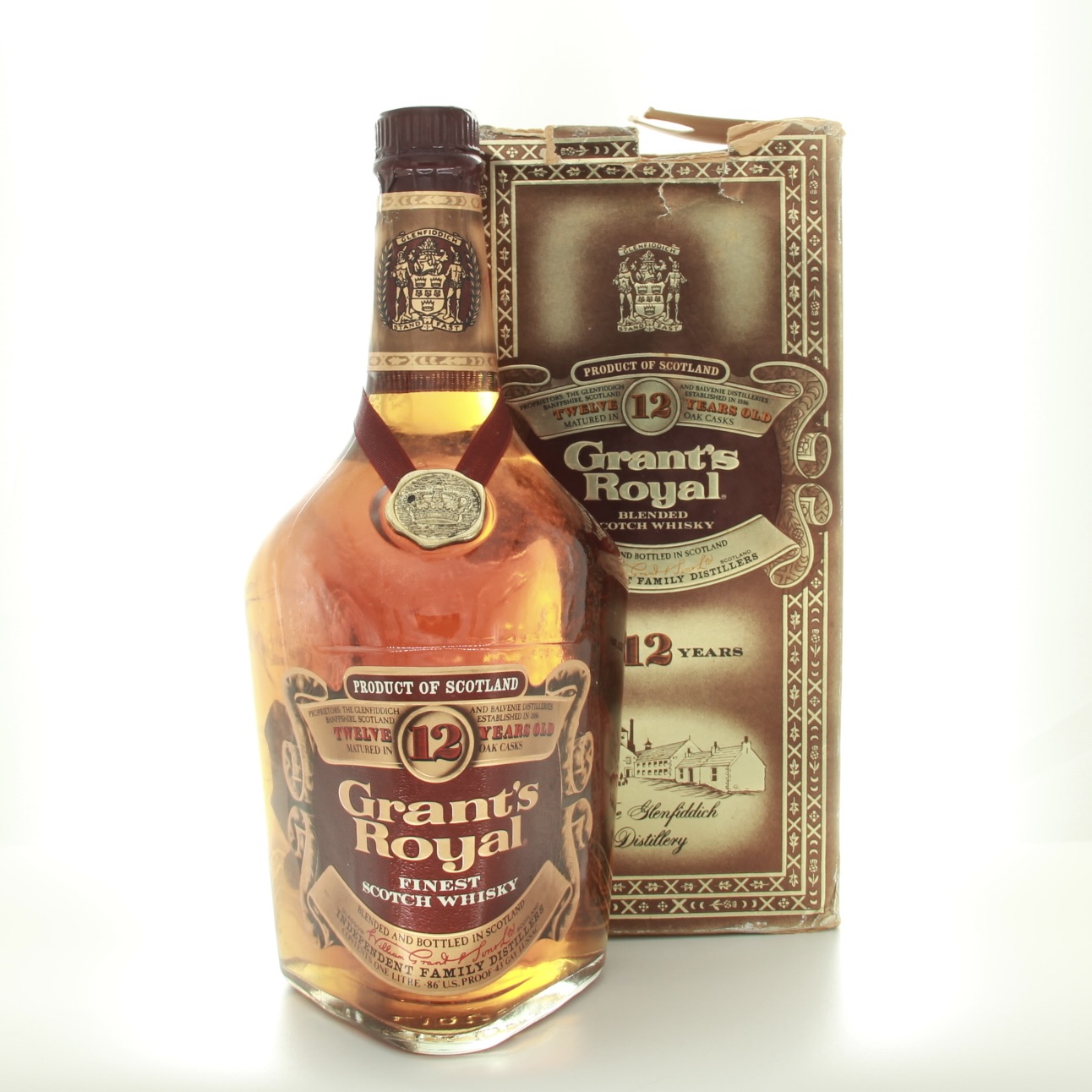
Grant’s Royal 12 Year Old (1980s Edition)
75cl / 40%
£79.00

- Cask type: Oak
- Malt type: Blended
- Region: Scotland
If you like this whisky, you will also like these
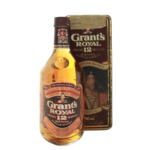
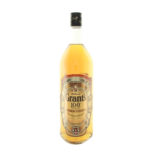
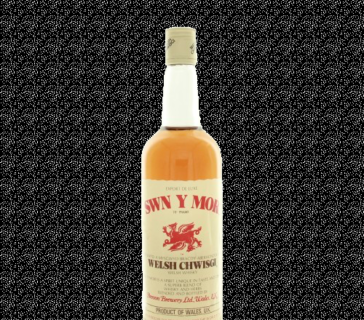
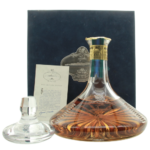
This vintage bottling at higher strength represents the peak of William Grant's pre-globalisation blended malt philosophy.
| Field | Details |
| Distillery / Bottler / Country & Region | William Grant & Sons Ltd. / Scotland (Blended Scotch) |
| Category | Blended Scotch Whisky |
| Age / Vintage / Bottled | 12 Years Old / Bottled circa 1980s (Some variants trace to late 1970s) |
| ABV & Size(s) | 43% ABV (Primary collectible format), 40% ABV (Secondary variant) / 75cl (750ml) |
| Cask / Treatment | Select Malt and Grain Whiskies; Oak maturation |
| Natural Colour | Not stated by the producer. (Likely coloured, typical for blended Scotch of this era.) |
| Non-Chill-Filtered | Not stated by the producer. (Likely chill-filtered, typical for blended Scotch of this era.) |
| Cask Strength | No |
| Bottle count / Outturn | Approx. 50,000 bottles worldwide (Estimate for one specific batch/era) |
| Intended channel | Global Export and Duty-Free markets (Historically premium position) |
| Packaging | Standard glass bottle, often with a metallic presentation tin or box |
| Notes on discrepancies | ABV frequently varies between 43% (86 Proof, US/Export) and 40% (UK/domestic/later bottling) for 1980s stock. The 43% variant is generally considered more desirable. |
Historical Context
The Grant's Royal 12 Year Old of the 1980s is an expression of William Grant & Sons' traditional commitment to quality. The product, identified by the prominent "Royal" designation, held a distinct position above the standard Grant's Stand Fast blend.
The quality of the blend during this era benefited from William Grant & Sons' unique vertical integration. The blend contained selected malt whiskies, likely featuring spirit from proprietary distilleries Glenfiddich and The Balvenie. The grain component was sourced internally from the massive Girvan grain distillery. This internal sourcing capacity ensured a high degree of control over the character and consistency.
The 43% ABV (or 86 Proof) bottling was common for the US and certain export markets in the 1970s and 1980s, preceding the wider industry rationalisation towards 40% ABV. This marginal increase in alcohol volume helps preserve the concentration of the aged malt components, resulting in a more structured and intense flavour experience that collectors actively seek out today.
Technical Specification & Variant Map
The core liquid is a Blended Scotch Whisky, requiring a minimum age of 12 years. The key technical detail for valuation is the strength: The international market often received the 43% ABV expression in a 750ml or 75cl format.
| ABV | Volume | Market | Era cues | Relative desirability |
| 43% | 75cl (750ml) | International Export / Specialist | Finest Scotch / "Royal" label prominently displayed / 86 Proof notation | High (Higher strength maintains structure) |
| 40% | 75cl (750ml) | UK Domestic / later export | Finest Scotch / "Royal" label / Standard ABV | Medium (More common and softer expression) |
Packaging & authenticity checklist
The bottle was often presented in an original metallic presentation tin or box, which greatly enhances its appeal. The critical points for checking are the volume declaration (75cl or 750ml, common before the 70cl EU standardisation), and the exact ABV noted on the label (43% is the premium version). Given the screw-cap closures common for blends of this age, fill levels are crucial; buyers should aim for liquid level at or above the high shoulder to mitigate the risk of oxidative damage.
Regulatory/terminology notes
This bottling adheres to the definition of Blended Scotch Whisky. As was standard for high-volume commercial blends throughout the 1980s, the inclusion of E150a spirit caramel for colour uniformity and chill-filtration for clarity were almost certainly employed.
Liquid Profile (from verifiable notes)
The reputation of this vintage blend suggests an experience of superior balance and complexity.
- Nose: Described as delicate and inviting. Ripe fruits, integrating with warm spices and hints of oak, culminating in an overall aroma that is refined and carries depth.
- Palate: Consistently noted for its depth and smoothness. Described as full-bodied with a profound smoothness and an "explosion of flavors". The texture is often cited as velvety or rich.
- Finish: The conclusion is described as surprisingly long and warming.
- With water: Not explicitly detailed by the producer.
Distillery/Bottler Snapshot
William Grant & Sons remains a global leader, distinguished by its continuous family ownership and control over its primary production assets, including the Glenfiddich and The Balvenie distilleries, and the Girvan Grain distillery. The core William Grant style in their blends is known for smoothness, fruit-forward malt influence, and reliability. This 1980s expression benefits from older components and a higher ABV, highlighting the depth inherent in their foundational stocks.
Sourcing
Target formats/eras: Sourcing should specifically target bottles clearly marked as 43% ABV (or 86 Proof), ideally in the 75cl or 750ml formats. The greatest value lies in bottles that include the original presentation tin.
Red flags to avoid: The primary market risk is acquiring a 40% ABV version when seeking the 43% specification. Caution must be exercised regarding fill levels; any level significantly below the shoulder is a cause for concern.
Condition thresholds: Minimum acceptable condition requires very good label integrity and a fill level no lower than high shoulder. The presence and condition of the original outer packaging dramatically increases the collectible value.
Margin/velocity expectations: This vintage blend offers moderate liquidity. High-specification (43% ABV, pristine condition) bottles are scarce and can achieve strong margins.