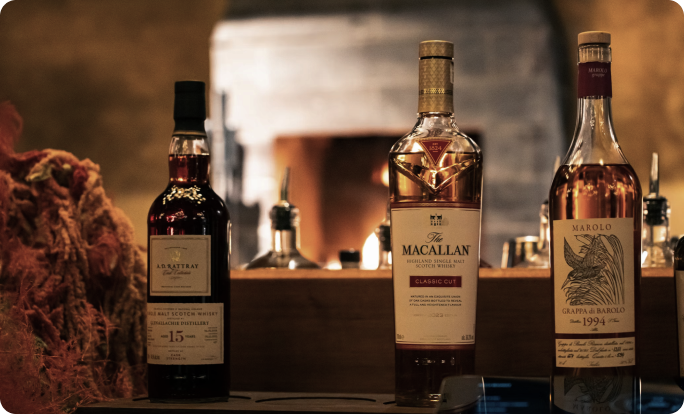
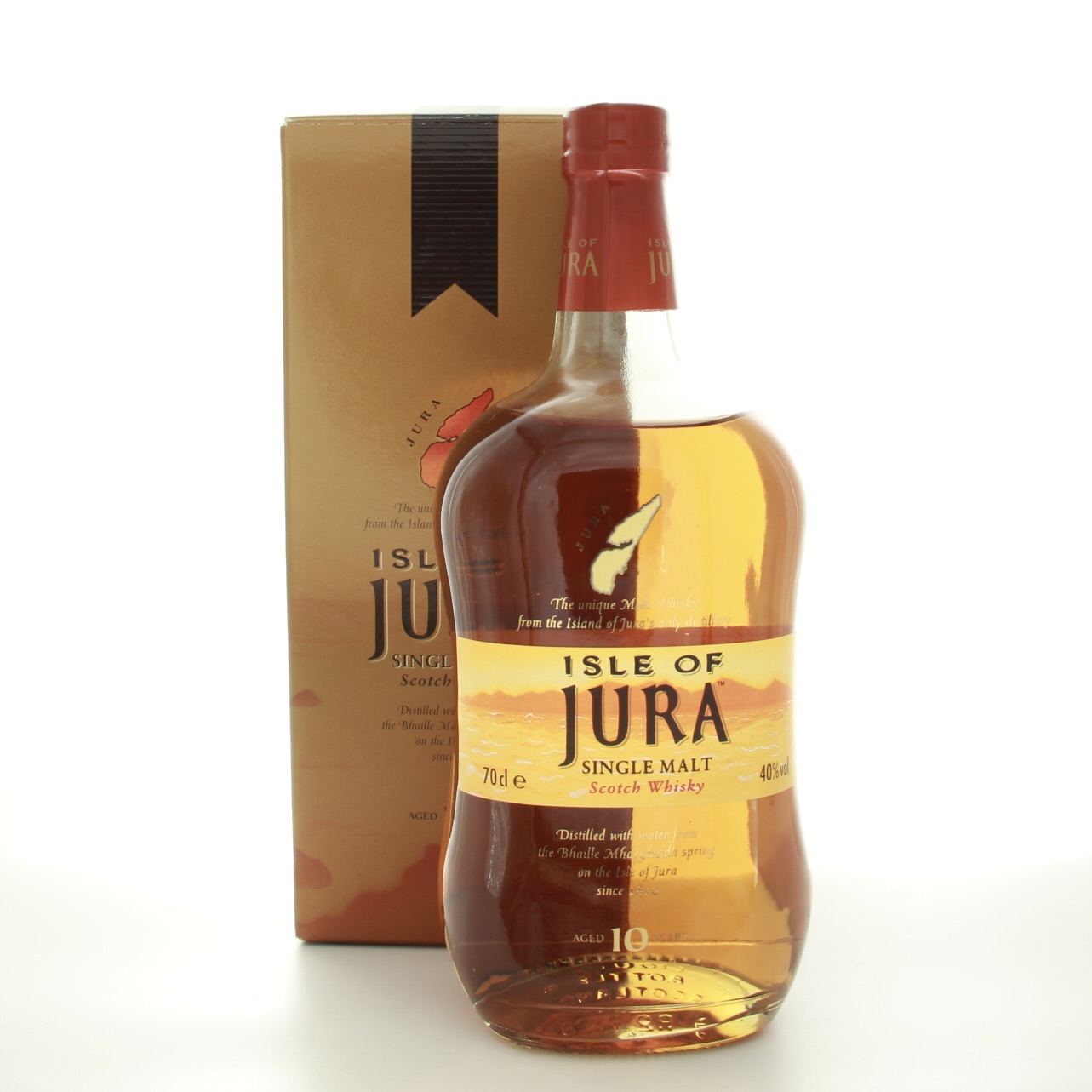
Isle of Jura 10 Year Old
70cl / 40%
£69.00

- Malt type: Single Malt
- Region: Scotland
If you like this whisky, you will also like these
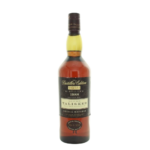
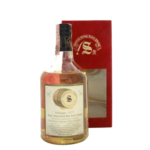
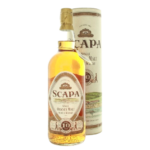
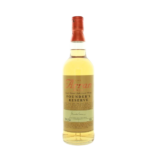
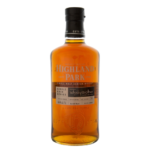
A pivotal Island single malt, the 10 Year Old represents a historical benchmark for Jura, transitioning from a light, ex-bourbon style to a defined sherry finish.
At-a-Glance
| Field | Details |
| Distillery / Bottler / Country & Region | Isle of Jura Distillery / Original Bottling / Scotland, Island (Highland classification) |
| Category | Single Malt Scotch Whisky |
| Age / Vintage / Bottled | 10 Years Old / Collectible vintage variants are 1990s bottlings |
| ABV & Size(s) | Modern: 40% ABV, 70cl. Vintage: 43% ABV, 75cl/100cl |
| Cask / Treatment | Modern: Ex-bourbon and aged Oloroso Sherry finish. Vintage: Predominantly ex-bourbon. |
| Natural Colour | Modern: Copper Gold. Not stated for vintage releases. |
| Non-Chill-Filtered | Not stated by the producer. |
| Cask Strength | No |
| Bottle count / Outturn | Not stated by the producer (High volume core range) |
| Intended channel | Global core range retail and specialist markets |
| Packaging | Distinctive Jura bottle shape, originally designed to withstand harsh journeys. |
Notes on discrepancies: Vintage 43% ABV bottlings represent a fundamentally different, lighter house style compared to the current 40% ABV sherry-finished expression.
Historical Context
The Isle of Jura distillery, located in the Inner Hebrides, possesses a history dating back to 1810 with the founding of the Small Isles Distillery. The original distillery ceased operations in 1901.2 Its rebirth occurred in 1963 when the new Isle of Jura distillery began production. The subsequent release of the first Isle of Jura single malt occurred in 1974.
The distillery has experienced several pivotal ownership changes which directly influenced its product trajectory. It was acquired by Invergordon Distillers in 1985, followed by Whyte & Mackay’s takeover of Invergordon in 1995.4 Whyte & Mackay, and later Emperador Distillers (who acquired the company in 2014), managed the brand through a period of market expansion. The 10 Year Old has consistently served as the entry point to the Jura range, but the liquid itself reflects evolving production philosophies. The 1990s 43% ABV bottling represents the pre-2000s era, before the introduction of heavily branded, specific expressions like Superstition (2002) and Prophecy (2009). These earlier vintage bottles, therefore, capture a historical snapshot of the distillery's output, characterised by a lighter, more traditional profile.
Technical Specification & Variant Map
The critical technical specification for collecting this expression is the change in bottling strength and maturation focus. The highly desirable vintage profile, dating from the 1990s, was bottled at 43% ABV. This strength was standard for premium single malts of the era and is often valued by collectors for preserving more of the spirit's original flavour complexity compared to standard 40% ABV expressions.
The maturation regime also evolved. The modern 10 Year Old is explicitly matured in American White Oak ex-bourbon barrels and finished in aged Oloroso Sherry casks from Jerez, Spain. Conversely, tasting analysis for the 43% vintage liquid consistently highlights a strong bourbon influence—marked by vanilla, grassy, and green fruit notes—with a minimal or entirely absent sherry signature. This confirms that the vintage bottlings primarily showcase the character of the exceptionally tall stills used at Jura, which produce a clean, estery spirit suitable for prolonged bourbon maturation.
Documented variants
The main variant sought by collectors is the 1990s vintage bottling at 43% ABV. This specific strength is often found in both the 75cl volume common to the UK and Europe during the transition period, and the 100cl (Litre) format, which was highly popular in duty-free and travel retail markets of that time. The prevalence of the 100cl 43% bottling in auction sales reflects its intended channel as a high-volume, premium travel product. The modern core range is standardized at 40% ABV and 70cl, with labelling prominently featuring the Oloroso sherry cask finish.
Variant Matrix
| ABV | Volume | Market | Era cues | Relative desirability |
| 43% | 75cl / 100cl | Vintage/Duty Free | Older label, higher proof, lighter colour profile | High (Historical liquid profile and strength) |
| 40% | 70cl | UK/Global Core | Modern bottle/label, explicit Oloroso finish focus | Low (High liquidity, current profile) |
Packaging & authenticity checklist
Authentication depends fundamentally on verifying the 43% ABV printed on the label, which dates the bottle to the desirable vintage period. The bottle maintains the distillery’s distinctive robust shape. When assessing condition, collectors should prioritize the integrity of the cork and capsule to mitigate the risk of oxidation.
Auction house reports frequently stipulate Base of Neck (BON) fill levels for 1990s bottles. The outer packaging, if present, is essential for maximising collector value, as damage to the box, such as that noted in some auction listings, can impact the final hammer price.
Regulatory/terminology notes
Jura's geographical location places it in the Inner Hebrides, making it an Island whisky. However, under established SWA classifications, it is categorized as a Highland whisky. This classification distinction is important for precise regional context.
Regarding additive use, the modern 40% expression is known to use E150a colouring. Given the noted pale straw colour profile of the older 43% bottles, if caramel was used, it would have been applied sparingly compared to modern industry standards. The spirit is not cask strength.
Liquid Profile (from verifiable notes)
The vintage 43% ABV liquid is characterised by its light, delicate, and bourbon-centric nature, contrasting sharply with the richer, sherry-forward modern releases.
Nose: The aroma is fresh and delicate, with dominant notes of green apple, fresh pears, and strong nuances of green banana. Subtle floral and earthly notes, sometimes likened to a whiff of freshly cut summer hay, are also present.
Palate: The body is moderately creamy, leading with an initial sweetness of vanilla. The development features freshly-mown grass, unripe fruit, dry wood notes, and even suggestions of aloe juice. Some observers note a thin mouthfeel, described as sweet malty water, contrasted by subtle hints of citrus and plums.
Finish: The conclusion is generally described as plain and of medium length, featuring lingering spice and a touch of honey. Other notes describe it as short and fading quickly.
With water: The addition of a few drops of water has been noted to intensify the existing green banana notes without contributing substantial new flavour elements.
Pricing & Market Dynamics (GBP)
The price disparity between the current Jura 10 Year Old and the vintage 43% expression is highly pronounced, reflecting the vintage’s perceived historical quality and rarity.
Original RRP (GBP): Not stated by the producer.
Current UK retail range (GBP, incl. VAT): The modern 40% version is highly accessible, retailing between £29.99 and £59.99 at major UK retailers.
Recent UK/EU auction range (GBP, hammer): The vintage 43% liquid demonstrates a strong collectible premium. A 100cl bottle, estimated as a 1990s bottling, sold for £40.00. Another 100cl bottling from the 1990s, despite noted box damage, achieved a hammer price of £85.00. The premium suggests that the 43% ABV iteration is highly sought after as a historical artefact of the distillery's style.
Pricing stratification: Value is overwhelmingly concentrated in the vintage 43% ABV bottlings, particularly the 100cl travel retail format. The condition of the accompanying box exerts a substantial influence on the final hammer price.
Liquidity & sourcing note: Liquidity is stable for the vintage expression, driven by a dedicated segment of enthusiasts who prefer the cleaner, pre-2000s Island whisky profile. This sustains a healthy premium over the easily procured modern product.
Price Snapshot
| Channel | Date | Bottle spec | Price (GBP) | Notes |
| Auction (Hammer) | Not specified | 100cl / 43% (1990s) | £40.00 | Sold online auction |
| Auction (Hammer) | Not specified | 100cl / 40% (1990s est.) | £85.00 | Higher price likely reflects condition or rarity variant |
| Retail (Modern) | Current | 70cl / 40% | £29.99 | Major UK retailer listing |
Distillery/Bottler Snapshot
Jura Distillery’s production methods, specifically its use of very tall stills, are engineered to produce a light, high-quality new make spirit.5 Historically, this spirit was matured predominantly in ex-bourbon casks, resulting in the clean, slightly grassy profile observed in the 43% vintage releases. The subsequent marketing shift towards richer, sweeter sherry cask finishes was a strategic decision to align the brand with broader global market preferences, cementing the older 43% liquid as a historical curiosity.
Sourcing
Target formats/eras to prefer: Acquisition efforts should focus exclusively on the 43% ABV bottlings, typically found in 100cl or 75cl formats from the 1990s.
Red flags to avoid: Bottles labelled at 40% ABV should be avoided unless priced at parity with current retail, as they do not possess the historical liquid difference valued by collectors.
Condition thresholds (fill/box/labels): Exceptional fill levels (Base of Neck or higher) are essential. For maximum value, the integrity and condition of the outer box or tube are critical, as they demonstrate careful preservation.
Margin/velocity expectations — qualitative: The product offers moderate velocity and good margin potential, underpinned by the significant vintage premium the older expression commands over the modern core range.