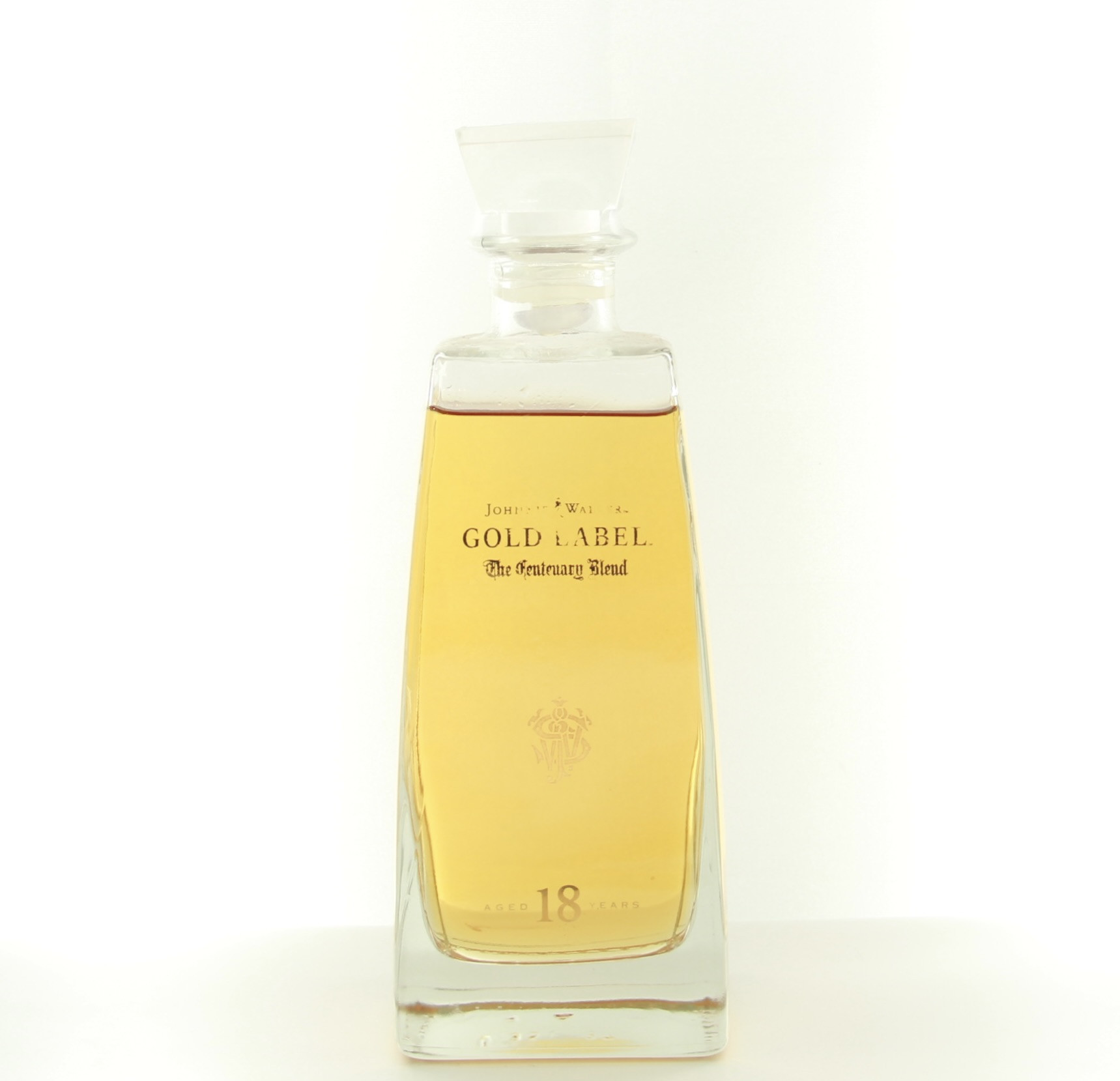
Johnnie Walker 18 Year Old Gold Label Centenary Blend Glass Decanter
35cl / 40%
£299.00

- Malt type: Blended
- Region: Scotland
If you like this whisky, you will also like these
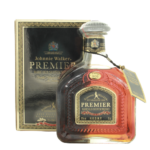
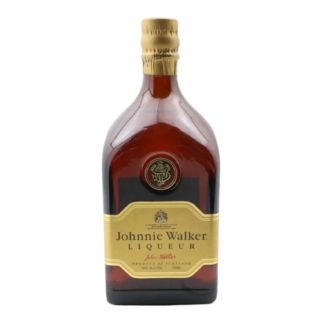
This expression, revived from a 1920 historical blend, offers a complex, aged profile featuring prized malt whiskies in a collectible decanter presentation.
At-a-Glance
| Field | Details |
| Distillery / Bottler / Country & Region | Johnnie Walker Distillers / Diageo (owner) / Scotland, Blended Scotch |
| Category | Blended Scotch Whisky |
| Age / Vintage / Bottled | Minimum 18 Years Old / Reintroduced 1992 |
| ABV & Size(s) | 40% ABV (80 Proof) / 75cl, 750ml |
| Cask / Treatment | Not stated by the producer. |
| Natural Colour | Not stated by the producer. |
| Non-Chill-Filtered | Not stated by the producer. |
| Cask Strength | No (Bottled at 40% ABV) |
| Bottle count / Outturn | High (Standard historical release) |
| Intended channel | Luxury Retail / Travel Retail |
| Packaging | Gold presentation box, Glass Decanter (corked finish) |
| Notes on discrepancies | While legally a Blended Scotch, the blend is highly celebrated for its specific inclusion of 15 aged single malts, focusing its profile heavily on the malt component. |
Historical Context
The genesis of the Johnnie Walker Gold Label Centenary Blend dates back to 1920 when Sir Alexander Walker originally formulated this specific recipe. The purpose of the creation was to commemorate the 100th anniversary of the Johnnie Walker Company, which his grandfather, John Walker, had established in 1820 in Kilmarnock. This foundational lineage and historical depth provide a significant narrative that solidifies the premium positioning of the blend.
Although highly regarded, production of the blend was ultimately discontinued during the Second World War due to the critical shortage of high-quality aged blending stocks required to maintain the liquid's integrity. The Centenary Blend was subsequently reintroduced in 1992, leveraging historical records, with the blend based upon the original blending notes meticulously left by Sir Alexander approximately seventy-five years earlier.
The profile of this 18-year-old expression is intrinsically linked to the resource availability of the late 20th century. It famously relies on 15 separate single malt whiskies, each confirmed to have been aged for a minimum of 18 years. Four component malts are particularly critical to the Centenary Blend’s distinctive character: Talisker, which provides the overall structural character and signature smokiness; Clynelish, responsible for imparting the brine and seaside ambiance; Royal Lochnagar, which contributes the rich, luxurious palate texture; and Cardhu, noted for providing the lingering character in the finish.
The high requirement for aged stocks (15 malts, all 18+ years old), including output from desirable distilleries such as Royal Lochnagar and Clynelish, established this bottling as a product of stock abundance specific to the era following its reintroduction. The profile is costly and challenging to maintain today, which explains why the Centenary Blend was eventually retired and replaced by the modern Gold Label Reserve, a No Age Statement (NAS) product. This transition confirms the Centenary Blend's status as a collectible remnant of a bygone blending philosophy where access to deep reserves of specific, long-matured single malt stocks was more readily accessible.
Technical Specification & Variant Map
2.1 Documented variants
The technical specification for the Johnnie Walker Gold Label Centenary Blend is primarily standardized. The strength is fixed globally at 40% ABV (80 Proof).4 Most documented variants pertain to the volume format (75cl versus 750ml, often reflecting EU or US market destination, respectively) and the type of secondary packaging. The most sought-after variants among collectors are the late 1990s deluxe box sets, which were sometimes imported by Scheifellin and Sommerset. These sets occasionally included specific accessories, such as glasses and an ice box base, alongside an unusual instruction booklet promoting the chilling of the whisky—a piece of period-specific ephemera that adds value.
Variant Matrix
| ABV | Volume | Market | Era cues | Relative desirability |
| 40% | 75cl / 750ml | Global | 1992-2000s reintroduction | Stable, highly accessible collector item |
| 40% | 75cl / 750ml | US/EU | Late 1990s deluxe box set | High (Due to completeness and unique accessories) |
2.2 Packaging & authenticity checklist
The Centenary Blend is typically presented in a handsome gold presentation box, which is richly decorated with gold fonts and provides a brief history of the Gold Label. Inside, the bottle itself is characterized by the classic square cylinder design synonymous with Johnnie Walker, often featuring a dusky gold colour and a corked finish.
For older decanters sealed with a cork, fill levels are a critical inspection point, as natural evaporation (ullage) can affect liquid value. Buyers should aim to confirm the fill level is high shoulder or above to mitigate potential depreciation. For collectors, the highest value items are the complete, late 1990s deluxe box sets. Authenticity of these sets should be confirmed by the presence of all components, including the box, decanter, and specific period documentation, such as the instruction booklet detailing the chilling method.
2.3 Regulatory/terminology notes
This expression is classified as a Blended Scotch Whisky. This regulatory category mandates that the liquid contains both Single Malt and Single Grain Scotch Whiskies. While official commentary confirms the use of 15 specific single malts, the legally required grain component remains generally unspecified. The "18 Year Old" statement is a legal age guarantee, confirming that the youngest spirit component used in the blend has been aged for a minimum of 18 years.
Liquid Profile
Nose: The nose begins with sensual aromatics that yield pristinely clean, buttery grains, followed by distinct notes of dried grass and dried coconut. These characteristics transition seamlessly into more defined fruity scents, including delicate pear and ripe apple. The entire aromatic profile is underwritten by a sublime smokiness that wafts throughout, adding depth. Secondary notes of honey, vanilla, and sandalwood contribute to a warming complexity.
Palate: The palate delivers a powerful burst of sweet, spicy, and gently smoky malt. The texture is smooth and sweet, providing an adventure of flavours.6 Immediate heat quickly gives way to highly balanced sensations of pear and dried apricot emerging on the back palate. The body is creamy, complemented by nuts and tropical fruits, offering excellent length and impeccable balance.
Finish: The finish is described as long and satisfying, characterized by a distinct drying effect. Characteristic aftertastes include notes of peppermint and honeycomb.
Distillery/Bottler Snapshot
Johnnie Walker, now owned by Diageo, is the world's highest-selling Scotch whisky brand.3 While the brand ceased its 190-year association with Kilmarnock when the bottling plant closed in 2012 3, its blending capacity and stock holdings remain immense. The character of the Centenary Blend is defined by its ability to draw upon rare aged stocks, prominently featuring malt whiskies from distilleries like Clynelish and Talisker to achieve its sophisticated flavour profile.1 The existence of this aged product stands in sharp contrast to the brand’s modern strategy, which increasingly relies on high-volume NAS expressions, reinforcing the Centenary Blend's historical significance.
Sourcing
Targeting criteria should focus on complete presentation packages, preferably securing the deluxe box sets from the late 1990s. Buyers should verify the '18 Year Old' age statement explicitly to avoid confusion with the modern NAS Gold Label Reserve. Given the cork closure, the condition threshold must strictly enforce a minimum fill level of high shoulder or better. This item offers high velocity and modest margin expectations, performing well as a reliable component of any collection or retail inventory.