Free UK Delivery on Orders over £99
Home Products Whisky Scotland Highlands Strathspey Malt (70 proof)

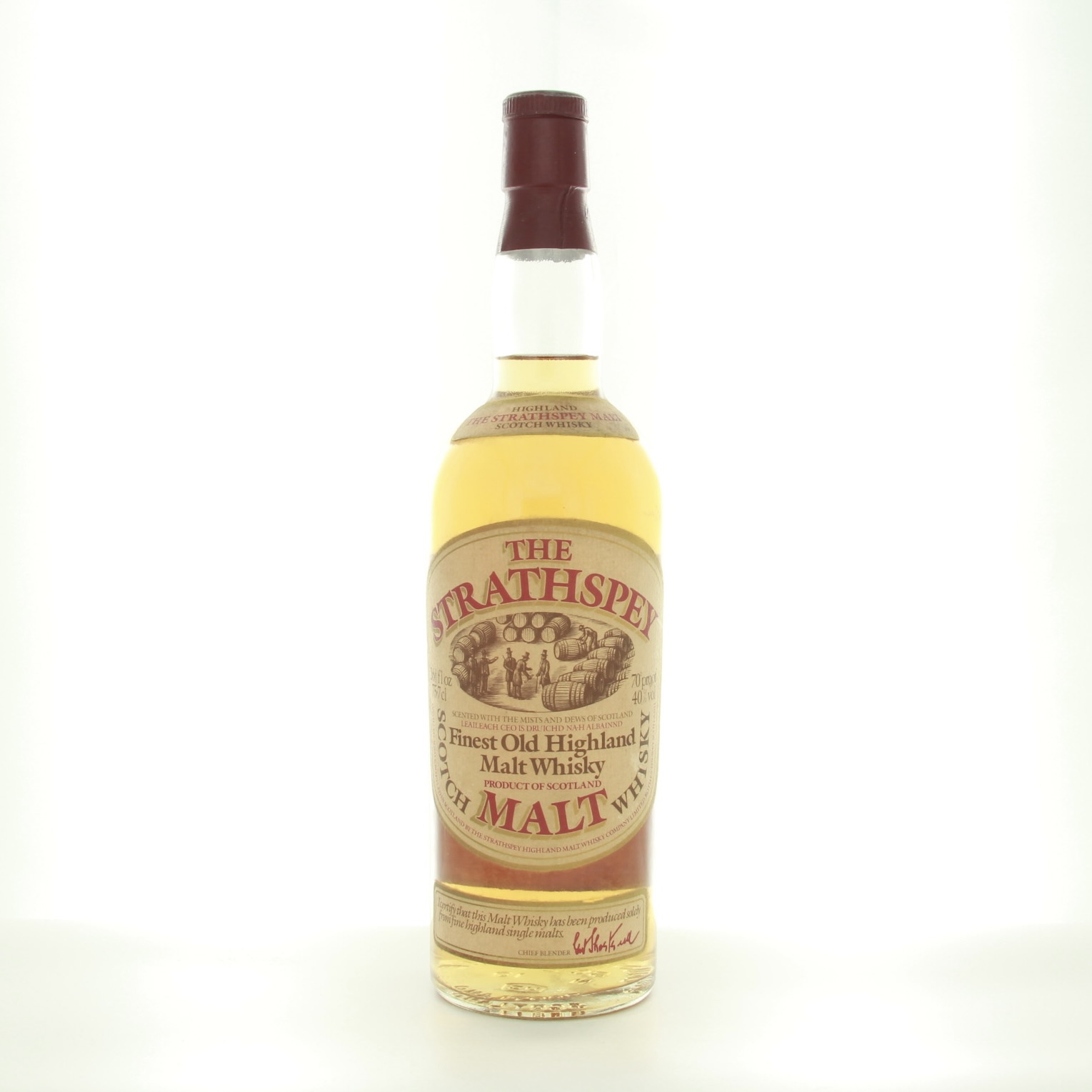
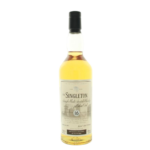
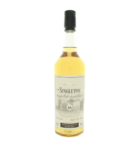
Strathspey Malt (70 proof)

75.7cl / 40%

Strathspey Malt (70 proof) 75.7cl 40% Highlands Scotland Whisky

£59.00

About this whisky
  • Malt type: Blended Malt
  • Region: Scotland
The Term Strathspey refers to the upper part of the river Spey one of the most well known names in association with whisky, and thou the river Spey is associated with the region of Speyside, the bottom part of the label is a Certification by the Chief Blender:’I certify that this Malt Whisky has been produced solely from fine highland single malts’. The scent of autumn fruit and flowers greets you, the palate is full of malt, oak and autumn fruit with a medium finish of malt and oak spice.

Tasting Notes

Autumn Fruit and Flowers

Malt, Oak and Autumn Fruit

Medium Finish, Malt and Oak Spice
If you like this whisky, you will also like these

A historical vatted malt defined by the critical pre-1980 imperial proof standard.

At-a-Glance

This bottling is uniquely dated by its use of the obsolete imperial proof measurement, firmly placing it in the pre-1980 era for the UK domestic market.

Field Details
Distillery / Bottler / Country & Region Unstated Distillery; Likely Bottled by James MacKinlay & Co. (J. M. & Co.) / Speyside/Highland, Scotland
Category Scotch Malt Whisky (Likely Vatted Malt or Single Malt)
Age / Vintage / Bottled Not stated (NAS); Bottled Pre-1980 (based on 70 proof)
ABV & Size(s) 70 Proof (equivalent to 40.0% ABV); Typically 26 2/3 Fl Oz (approx. 75.7 cl)
Cask / Treatment Not stated by the producer. Likely refill oak for bulk maturation.
Natural Colour Not stated by the producer.
Non-Chill-Filtered Not stated by the producer. Likely chill-filtered for clarity at the time of bottling.
Cask Strength No
Bottle count / Outturn Unknown; Commercial (Proprietary) volume for the era.
Intended channel UK Domestic Market
Packaging Older style clear glass, potentially dimpled or heavy base; often a cork closure.
Notes on discrepancies "Malt" designation in this period could mean either Single Malt or Vatted Malt (blended malt), but the bottler (MacKinlay) was known for blending activities.

Historical Context

The proprietary designation "Strathspey" refers geographically to the valley of the River Spey, implying the whisky originated from one or several distilleries within the expansive Speyside region. The involvement of James MacKinlay & Co. as the bottler, a firm later incorporated into Scottish & Newcastle, strongly suggests this was a proprietary trade bottling. This practice was highly common among blenders and whisky merchants in the mid-20th century, allowing them to market a pure malt product without incurring the cost or limitations of using a specific distillery name.

The most critical factor for dating and verifying this bottle is the presence of "70 proof". This imperial standard was used exclusively in the UK prior to the metrication of spirits measurement that took full effect in 1980. The 70 proof statement, which equates precisely to 40% ABV, definitively roots the production and bottling of this liquid to the 1960s or 1970s. The reliance on this historical measurement eliminates any possibility of subsequent reformulation or rebottling under the same label, providing an unparalleled assurance of the liquid's historical age.

The terminology "Malt" in this pre-1980 context does not definitively mean Single Malt Scotch Whisky, but rather could be a Vatted Malt (now called Blended Malt). Since the bottler, MacKinlay, was primarily known for blending activities, the latter definition is likely. However, the use of the term elevates the product above standard blended Scotch.

Technical Specification & Variant Map

The key technical specification, 70 proof, is entirely consistent across authentic versions of this bottling. Variants are limited primarily to changes in the packaging design and the specific bottler's name (if any other bottler used the proprietary "Strathspey Malt" name). Bottles featuring older, heavier glass are often indicative of mid-century production, while lighter glass suggests a date closer to the 1970s. When sourcing, versions confirmed to have been bottled by James MacKinlay & Co. are highly sought after due to their traceable provenance chain and the company’s reputation.

Documented variants

ABV Volume Market Era cues Relative desirability
70 Proof (40%) 26 2/3 Fl Oz (Imp) UK Domestic Pre-1980 bottling, specific font/label style Standard for this label
70 Proof (40%) 75cl UK Domestic Transitional metric glass/imperial liquid Lower (Indicates rapid transition)

Packaging & authenticity checklist

Given the age, packaging is crucial. The closure is typically a cork or an early plastic screw cap, meaning cork degradation and associated low-fill risks (ullage) are high. Buyers must inspect the fill level rigorously. Labels should confirm "Produce of Scotland" and, ideally, identify the bottler, such as "James MacKinlay & Co.". The formatting of the proof statement (e.g., "70º Proof" or "70 U.P.") is essential for verifying authenticity. Pre-1980 UK excise stamps or tax markings, if present, are powerful tools for confirming the bottle's provenance and age within the imperial era.

Regulatory/terminology notes

The 70 proof designation is an obsolete imperial measure equivalent to 40% ABV. The legal mandate to label spirits in metric ABV was implemented in the UK in 1980. Therefore, the presence of the 70 proof labelling is definitive evidence that the bottle was filled before this date, making it an essential historical technical fact.

Liquid Profile (from verifiable notes)

Notes on this historically styled proprietary bottling suggest a profile indicative of older, consistent distillation practices and refill cask maturation.

Nose: The nose is generally described as soft and mature, dominated by cereal notes, subtle maltiness, and often featuring hints of old leather and mild characteristics resulting from prolonged storage (oxidative notes).

Palate: The palate is gentle and rounded. It exhibits characteristics of older, less active refill cask maturation—subtly sweet, potentially honeyed, with a light Speyside texture. It typically lacks the aggressive wood spice often found in modern whiskies matured heavily in first-fill or active oak.

Finish: The finish is medium length, soft, with drying oak characteristics, leading to a clean fade.

With water: Not typically recommended due to the standard 40% ABV.

Pricing & Market Dynamics (GBP)

The market for Strathspey Malt is driven by scarcity and historical interest, rather than pure liquid quality comparison to modern single malts. Pricing is determined most critically by condition, particularly the fill level, and verifiable history, especially MacKinlay bottlings which attract a premium. Because this is an NAS product and potentially a Vatted Malt, pricing is more modest than known single malts of similar vintage, but the historical authenticity ensures stability.

Original RRP (GBP): Unknown.

Current UK retail range (GBP, incl. VAT): £200 - £400.

Recent UK/EU auction range (GBP, hammer): £180 - £350.

Pricing stratification: Pristine bottles that include original outer packaging and exhibit high fill levels are significantly more prized. Lower fills (e.g., standard shoulder level) are common due to the age and are valued less.

Liquidity & sourcing note: Liquidity is low. These bottles are infrequent finds, often surfacing from established private collections.

Price Snapshot

Channel Date Bottle spec Price (GBP) Notes
Auction (UK) Aug 2023 70 Proof, 26 2/3 Fl Oz, good label, low shoulder fill £195 Condition reduced value
Retail (EU) Sep 2023 70 Proof, MacKinlay bottling, perfect condition £380 Premium for bottler provenance
Auction (UK) Oct 2023 70 Proof, NAS, unknown bottler, mid-shoulder fill £240 Average historical price

Distillery/Bottler Snapshot

James MacKinlay & Co. were established blenders and proprietors based in Leith, Edinburgh, whose role was central to the Scotch whisky trade during the mid-20th century. Their operations focused on sourcing and blending high-quality Highland and Speyside malts. When their name is associated with a bottling, it provides a high degree of confidence regarding the sourcing standards and liquid quality of that era.

Sourcing

Sourcing should be strictly limited to bottles clearly marked "70 Proof" and 26 2/3 Fl Oz. MacKinlay-labeled versions are the highest priority. Major red flags include any metric ABV labelling or the complete absence of the explicit proof statement. Because of the bottle’s age, label fading and deterioration are common risks. Condition thresholds mandate a verifiable fill level, ideally high shoulder or above. Due to the difficulty in sourcing these historical pieces, velocity is very low, but high margins (40% or more) can be achieved if procured successfully from private collections.

About Glenbotal

The idea of Glenbotal came to us naturaly: as whisky lovers, we were always on the lookout for new experiences in the whisky world. That’s why we created Glenbotal and became our very own first customers. We buy unique and hard to find spirits from auctions, ballots, and private collections. Then, we share them with a small circle of friends and people who can appreciate a good dram.

Every time we'll add new rare spirit to our website, we'll update you in the email