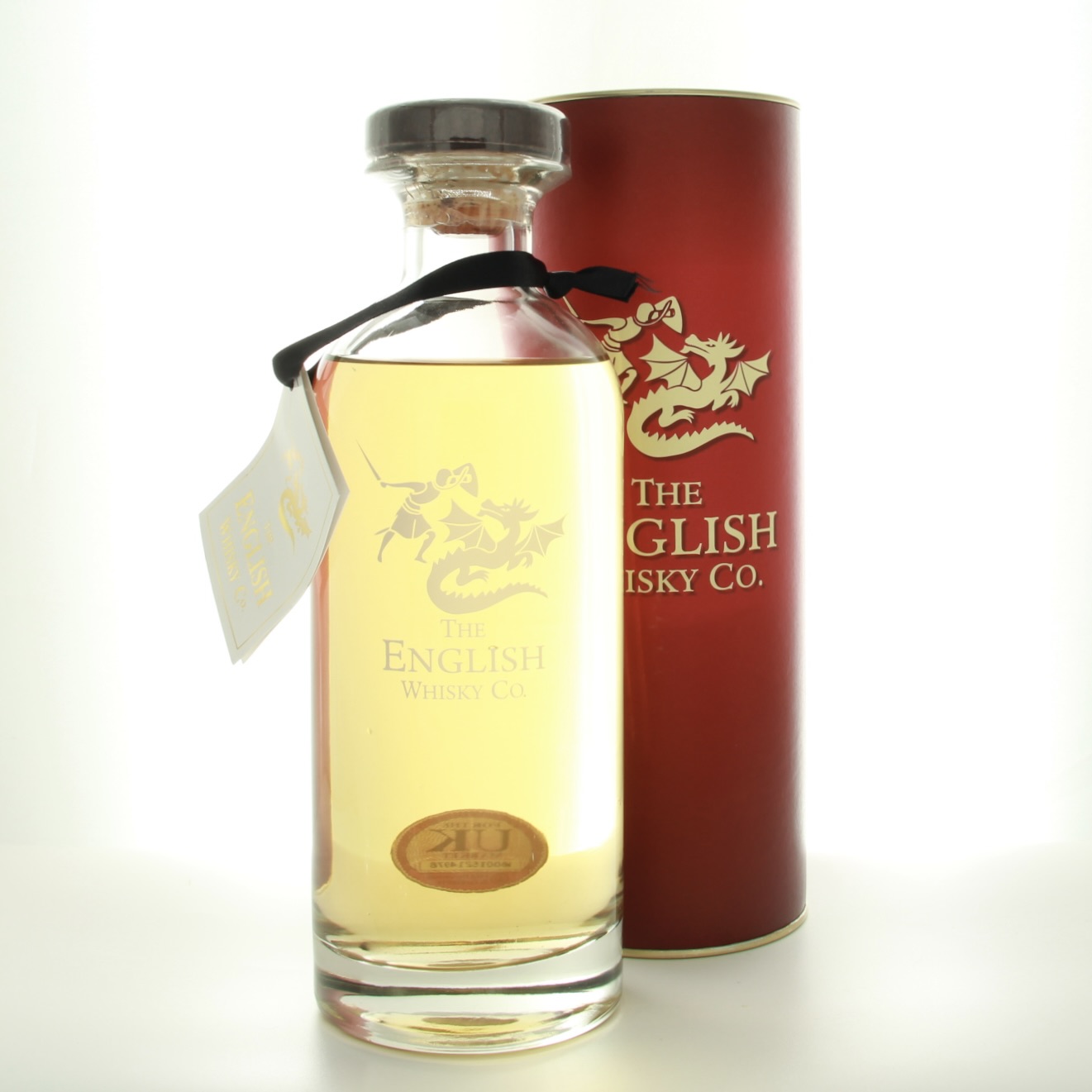
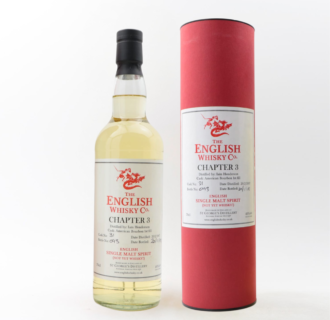
The English Whisky Co. Chapter 8 Decanter
70cl / 46%
£159.00

- Cask type: Bourbon
- Malt type: Single Malt
- Region: England
- Chilfiltered: No
- Coloring: No
If you like this whisky, you will also like these
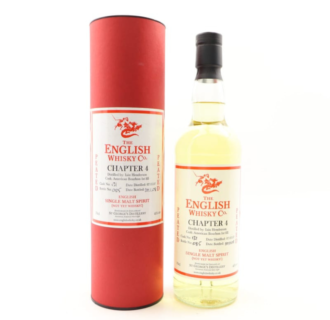
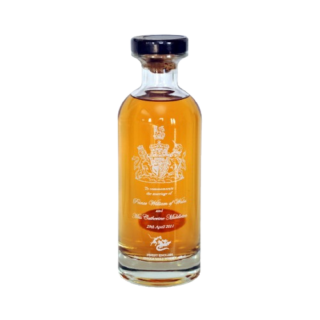
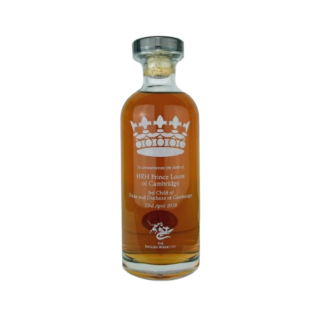
A historically significant, lightly peated three-year-old, marking the distillery's early foray into limited edition bottlings.
At-a-Glance
| Field | Details |
| Distillery / Bottler / Country & Region | St George's Distillery / The English Whisky Co. / England (Norfolk) |
| Category | Single Malt Whisky (Lightly Peated) |
| Age / Vintage / Bottled | 3 Year Old / Distilled 26/04/2007 / Bottled 19/05/2010 |
| ABV & Size(s) | 46% ABV / 70cl |
| Cask / Treatment | Bourbon casks (Exclusively) |
| Natural Colour | Yes (Implied by standard EWC practice) |
| Non-Chill-Filtered | Yes (Implied by standard EWC practice) |
| Cask Strength | No (Reduced to 46% ABV) |
| Bottle count / Outturn | 2,340 bottles |
| Intended channel | Specialist Retail, Limited Edition Decanter Series |
| Packaging | Decanter bottle format, presentation tube/box |
Historical Context
Chapter 8 occupies a vital position in the modern history of English whisky. Distilled on 26 April 2007 and bottled on 19 May 2010, this expression achieved the legal minimum age of three years required under UK regulations only weeks before bottling. It stands as one of The English Whisky Co.'s first commercially available releases to legally qualify as Single Malt Whisky, transitioning from a "Spirit Drink" to an official "Whisky."
This release was instrumental in introducing EWC’s core lightly peated style to the market. Matured exclusively in Bourbon casks, it established the signature balance between soft vanilla sweetness and mild smoke that would define many subsequent peated offerings. With a large outturn of 2,340 bottles, Chapter 8 was clearly intended as a high-volume flagship to introduce the new brand to a broad UK consumer base, utilizing the distinctive 'Decanter' format to convey prestige and status.
Technical Specification & Variant Map
The spirit was matured solely in Bourbon wood. The selection of Bourbon casks for a young, lightly peated spirit ensures rapid flavour contribution, providing sweetness and oak structure necessary for a three-year-old release. The bottling strength was adjusted to 46% ABV, reducing it from cask strength to enhance approachability and smoothness, suitable for a launch product intended for wide distribution.
The high outturn of 2,340 bottles, combined with the standard 46% ABV, places Chapter 8 in a distinctly different market tier compared to the ultra-scarce, high-strength Founders Private Cellar releases. While historically critical, the lack of scarcity limits its secondary market price growth. This confirms that the primary value of Chapter 8 is rooted in its historical context as a pioneering release rather than its market rarity or high proof.
Documented variants
Chapter 8 was consistently released in a single 70cl format at 46% ABV. It is classified as lightly peated Single Malt Whisky.
Variant Matrix
| ABV | Volume | Market | Era cues | Relative desirability |
| 46% | 70cl | UK & Specialist Retail | Early Official Whisky, Lightly Peated, Decanter Style | Medium (Historical significance, large early outturn) |
Packaging & authenticity checklist
The distinguishing feature of Chapter 8 is its unique 'Decanter' style bottle. Buyers must verify the bottling date (19 May 2010) and the individual bottle number within the 2,340 outturn. Attention must be paid to condition: auction lots frequently carry notes regarding "Small Creases/Marks/Dents to Packaging/Tube". Furthermore, historical auction results sometimes indicate fill levels as low as 'Middle shoulder', which significantly detracts from its collector value. Securing the bottle with the original, well-preserved presentation tube provides the largest uplift in secondary value.
Regulatory/terminology notes
Chapter 8 is compliant with all UK regulations as Single Malt Whisky, having met the minimum three-year maturation period requirement. The strength of 46% ABV is a global standard for premium whiskies, chosen to balance flavour intensity with accessibility. The spirit is lightly peated and consistent with EWC’s policy of using natural colouring and non-chill-filtration, ensuring the spirit’s natural flavour and texture are maintained.
Liquid Profile
The profile is light, sweet, and approachable, defined by the short maturation in Bourbon casks and the mild use of peat.
-
Nose: A mild, warming billow of peat smoke provides the initial greeting. This is quickly followed by lingering sweetness from barley sugars, malt, and vanilla, often accompanied by a faint citrus tartness.
-
Palate: Characterised as easy-drinking and vanilla-centric. The sweetness is prominent, featuring flavours of barley and orchard fruits. The mild peat smoke integrates smoothly, providing a gentle herbal or spicy undertone that hints at the Bourbon cask origins.
-
Finish: Light, fresh, and sweet, with the smoke taking a reserved position behind the sweetness. A gentle, residual spice lingers alongside the pleasant smokiness.
-
With water: As the ABV is 46%, water is not strictly necessary but may be used to further soften the texture and emphasize the orchard fruit notes.
Distillery/Bottler Snapshot
Chapter 8 was fundamental to establishing the commercial profile of St George's Distillery. Its success allowed The English Whisky Co. to validate its quality control and market positioning, providing crucial revenue and confidence necessary for later expansion and the dedication of resources toward more experimental and highly sought-after single-cask bottlings. It remains a historical artifact representing the moment English malt distillation officially returned to the market.
Sourcing
Target formats/eras to prefer
The 70cl decanter is the only format. Preference should be given to bottles from the early 2010 bottling run with pristine presentation packaging.
Red flags to avoid
Significant damage to the unique decanter bottle or essential label information (such as the bottling date or bottle number). Auction hammer prices often reflect low condition, so caution is advised if the price seems unusually low.
Condition thresholds (fill/box/labels)
The highest value is attached to bottles with high fill levels and undamaged original presentation tubes, despite the common occurrence of packaging wear.
Margin/velocity expectations — qualitative
Velocity is moderate, driven by collectors seeking to archive the early Chapter series. Margins are stable but relatively low compared to scarce releases, making it a reliable, high-interest historical item at an accessible price point.