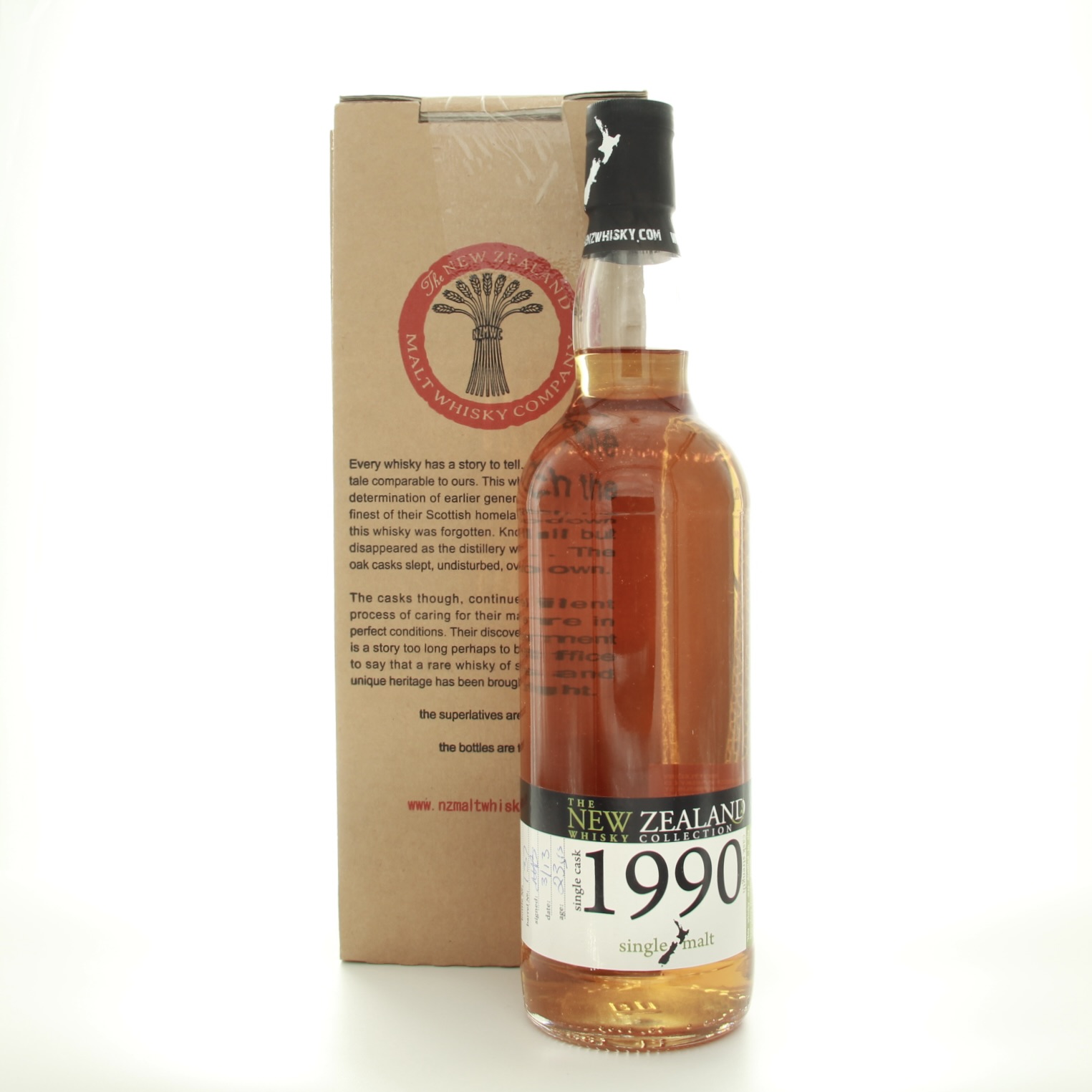
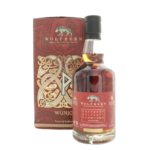
Willowbank 23 Year Old Single Cask 1990 NZWC
70cl / 63.5%
£179.00

- Malt type: Single Malt
- Region: New Zealand
- Chilfiltered: No
- Coloring: No
Tasting Notes

Vanilla, Apple, Pepper, Spices

Oily, Vanilla, Herbs, Honey, Coffee

Medium Finish, Vanilla
If you like this whisky, you will also like these
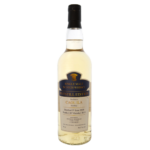
The highest measure of scarcity due to its unique New Zealand origin and terminal supply status.
At-a-Glance
| Field | Details |
| Distillery / Bottler / Country & Region | Willowbank Distillery (Closed 1997) / New Zealand Whisky Collection (NZWC) / New Zealand (Dunedin) |
| Category | Single Malt Scotch Whisky |
| Age / Vintage / Bottled | 23 Years Old / 1990 / Bottled c. 2013 |
| ABV & Size(s) | Not stated in the text. |
| Cask / Treatment | Single Cask #102, Ex-Bourbon Hogshead. |
| Natural Colour | Not stated in the text. |
| Non-Chill-Filtered | Not stated in the text. |
| Cask Strength | Not stated in the text. |
| Bottle count / Outturn | 228 Bottles (Cask #102) |
| Intended channel | Specialist Collector Markets, Curated International Release. |
| Packaging | Not stated in the text. |
| Notes on discrepancies | Absolute Finite Supply (AFS) / Ghost Distillery Status. Supply is zero post-1997 closure. |
Historical Context
Willowbank Distillery, located in Dunedin, New Zealand, holds the rare distinction of being a truly extinct global distillery. It ceased operations and closed permanently in 1997. This permanent closure establishes a definitive, non-negotiable ceiling on future supply, classifying it under the Absolute Finite Supply (AFS) category.
The residual stock is managed by the New Zealand Whisky Collection (NZWC), which has employed a highly disciplined strategy of slow, curated market releases to ensure sustained, year-over-year price appreciation. The global fascination with 'lost' distilleries, combined with Willowbank’s exceptional international provenance outside of Scotland, ensures high bidding interest from collectors globally.
Technical Specification & Variant Map
The specific bottling under review is Cask #102, a single cask, Ex-Bourbon Hogshead bottling from the 1990 vintage. The yield was extremely limited, resulting in only 228 bottles.
The choice of an Ex-Bourbon Hogshead is significant, as it represents a less assertive wood choice. This means the spirit’s characteristics are predominantly defined by the unique New Zealand maturation environment rather than heavy wood influence. This environmental factor—maturing outside of the traditional Scottish climate for two decades—imparts characteristics that are fundamentally non-replicable.
Documented variants
The technical data provided in the general text does not list specific verifiable ABV, sizes, or market variances for this bottling.
Variant Matrix
| ABV | Volume | Market | Era cues | Relative desirability |
| Not stated | Not stated | Global Specialist | Cask #102, 228 Bottle Yield, Closed Distillery | Highest (AFS) |
Packaging & authenticity checklist
Authentication requires confirming the single cask provenance (Cask #102) and the 1990 vintage. Due diligence must confirm the integrity of the capsule and fill level, given the 23 years of maturation.
Regulatory/terminology notes
The spirit represents the Absolute Finite Supply (AFS) asset class. The value is heavily derived from the Ghost Distillery Status and the non-replicable maturation climate of New Zealand.
Liquid Profile (from verifiable notes)
Nose: Not stated in the text.
Palate: Distinct creamy mouthfeel, pronounced oak spice, and notes of vibrant citrus zest.
Finish: Not stated in the text.
With water: Not stated in the text.
Distillery/Bottler Snapshot
Willowbank Distillery (Dunedin, New Zealand) is a truly extinct global distillery. Its intrinsic value lies in its non-renewable stock, representing a unique terroir in whisky maturation outside of Scotland.
Sourcing
Target formats/eras: Single Cask #102, 1990 Vintage.
Red flags to avoid: Non-specific cask bottlings or releases not confirmed by the NZWC.
Condition thresholds: Pristine condition is highly desired due to the high value.
Margin/velocity expectations: Highest risk/highest reward, maximum growth potential, but lower liquidity.