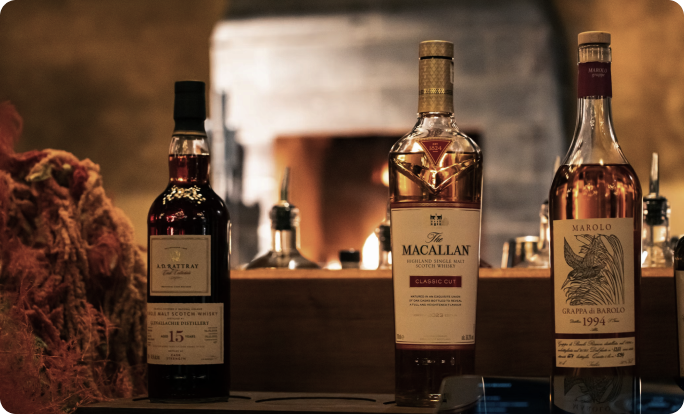
The best gift is one that would never occur to the recipient to buy themselves. Vintage whisky from the 1970s or 1980s is exactly that — rare, personal, and available for less than most people assume.
Most gifts are easy to choose for easy people. A book for a reader. A subscription for a tech enthusiast. Flowers for anyone.
The people who are genuinely difficult to buy for — the CEO who has everything, the grandfather who needs nothing, the client you’ve worked with for three years — require something different. Something that communicates thought without shouting about it. Something that says “I knew you well enough to choose this.”
Vintage whisky from the 1970s and 1980s is that gift.
It’s rare — not in a manufactured, limited-edition-marketing way, but genuinely rare. These bottles were distilled and bottled decades ago. The distilleries that made many of them don’t exist anymore. The taste profiles are completely different from today’s production. You can’t recreate them.
And you can often find them for under £100.
A bottle of single malt from 1975 is not just old whisky. It’s a time capsule.
The distillery context: In the 1970s, many distilleries operated with less uniformity than today. Malting floors were still common. Worm tub condensers produced richer, heavier spirit. Some distilleries have since closed entirely — and their character exists only in surviving bottles.
The flavour profile: Whisky distilled 40–50 years ago typically has a different character to modern production. Production methods, water sources, yeast strains, and cask sourcing have all changed. Vintage whisky carries a flavour that is genuinely unrepeatable.
The rarity: A 1979 bottling of any whisky is, by definition, finite and dwindling. Each bottle consumed reduces the total supply. This scarcity has real meaning — not just as a price driver, but as a reason that the gift feels genuinely special.
The story: Every vintage bottle has a story that can be told. “This whisky was distilled the year you were born.” “This distillery closed in 1983 — this is one of the last bottles.” “This was bottled when the company you founded was just three years old.” These narratives transform an object into a memory anchor.
The C-Suite Executive or Senior Client
A bottle of vintage Scotch is one of the few gifts that works universally in a professional context. It communicates sophistication without ostentation, value without extravagance. In Japanese business culture, it’s a formalised expression of respect. In the UK, it’s an acknowledgement that the relationship is worth a genuine gesture.
What makes vintage whisky particularly appropriate in corporate gifting:
The Grandfather or Father
A bottle from the year of a milestone — their birth year, their retirement year, the year they married — is an extraordinary personal gift. Many older family members have memories attached to specific bottles or whisky eras. A 1970s blended Scotch they drank in their youth can trigger genuine nostalgia and conversation.
The Difficult Person
Vintage whisky works specifically because it’s not a generic gift. You can’t pick one up at the airport or click checkout in two minutes. The effort required to source it is visible in the object itself.
The Whisky Enthusiast
For someone who already collects or drinks seriously, a genuine vintage bottle — from a closed distillery, or a difficult-to-find era bottling — is the kind of gift they wouldn’t likely buy themselves. The rarity factor is meaningful to enthusiasts in a way that a standard retail bottle simply isn’t.
Corporate gifting with whisky has nuances worth navigating:
Appropriateness: In the UK, Scotch whisky is broadly acceptable as a corporate gift. For international recipients, check cultural and religious sensitivities. In many GCC countries and for some religious communities, alcohol gifting is inappropriate. Japan, France, Germany, and most European markets receive whisky gifts warmly.
Value and compliance: Many organisations have gift policies with value caps (typically £50–£100 in UK companies). A vintage whisky gift in this range is easily justifiable and often more impressive than a generic hamper at the same price point.
Personalisation: A brief note — handwritten — that mentions the specific vintage, distillery, or story behind the bottle elevates it significantly. The bottle is the gift; the note is what makes it memorable.
Presentation: A good bottle in the original box (if available) or presented in quality tissue paper is appropriate for corporate settings. No need for elaborate additional packaging — the bottle speaks for itself.
For family and personal gifts, the emotional connection is the centrepiece.
Birth year gifting: A bottle from the recipient’s birth year transforms a standard birthday or milestone gift into something genuinely singular. “I found this in a private collection — it was distilled and bottled the year you were born” is a sentence that lands differently from “I bought this at the whisky shop.”
The shared memory angle: For older family members, recognising that they drank a specific whisky in their youth and tracking down an original bottle from that era — even if it’s a different bottling of the same brand — creates a memory bridge. It signals attentiveness.
The “don’t open it” dilemma: Many recipients of a very special bottle will keep it sealed as a collector’s piece. This is perfectly fine. The value of the gift is not just in the drinking — it’s in the having.
Opening together: For a birthday dinner or occasion, opening the bottle with the recipient as part of the celebration — rather than giving it to be opened alone — creates a shared experience that lasts much longer than the whisky.
Finding a genuinely interesting vintage whisky under £100 requires knowing what to look for.
Blended Scotch from the 1970s:
Major blended Scotch brands from the 1970s are underappreciated and often represent excellent value. These include Johnnie Walker, Chivas, Teacher’s, and hundreds of lesser-known blends. The liquid quality is often remarkable — using malts from distilleries that no longer exist.
Lesser-known single malt distilleries:
Not every vintage single malt carries the Macallan premium. Distilleries like Tamnavulin, Glenlochy, Brora (budget-stretching but possible), Glen Mhor, and Port Ellen occasionally appear at accessible price points through specialist dealers when the bottle condition or fill level is slightly compromised.
Export-market vintage bottlings:
Many whisky bottlings were produced specifically for export markets in the 1970s and 1980s. These include bottles for Italian, German, and Japanese markets — often attractive label design with interesting whisky inside.
Licensed bottlings:
Companies like Landy Frères (Italy), private Italian and French bottlers produced their own Scottish whisky bottlings in this era. These are often less well-known and priced accordingly — but the liquid is frequently excellent.
These represent the types of bottles typically available through specialist rare whisky dealers. Availability changes constantly — check current stock with Glenbotal’s team.
A smooth, soft-profile Japanese blended whisky from the 1970s. 42% ABV. Subtle cream, vanilla, honey, apple pastry, and cinnamon on the nose and palate. An unusually elegant example of Japanese blended whisky from the decade when Japan was defining its whisky identity. The gift moment: perfect for anyone interested in Japanese culture, business connections to Japan, or whisky enthusiasts curious about historical Japanese production.
A Taylor & Ferguson deluxe blend, believed to include whisky from Scapa and Glen Scotia distilleries. Now genuinely rare. Aroma: cinnamon, caramel, hazelnut. Palate: honey, cinnamon, nutty caramel. Finish: oak, honey, smoke, spice. The gift moment: corporate gifting for someone with connections to Scotland or a nostalgia for classic blended Scotch.
Glasgow’s historic whisky firm, bottled in the 1970s. 12-year-old blended malt, 750ml. The 1970s bottlings have a different character to current production — richer, more immediate, carrying the distinct style of the era. The gift moment: the family member who remembers Whyte & Mackay from their working years.
A single malt with a name that captures its decade perfectly. Nostalgic, free-spirited, and an unusual conversation piece. The gift moment: the creative director, the non-conformist, the person who collects objects with stories.
From Edinburgh’s Glenmore Distillery, originally targeted at the Italian market. A quality assured blended Scotch — the bottle itself features a ‘Warranty Agreement’ guaranteeing fully matured, high-quality whisky. The gift moment: the wine collector or Italian-connected professional who would appreciate the continental angle.
LF for Landy Frères, an Italian company with a Bologna distillery, who matured Scottish malt in small casks for extended periods. Limited tasting notes available — which adds to the mystique. The gift moment: the serious collector or food history enthusiast who appreciates genuinely obscure provenance.
Lowland distilleries from the 1970s and 1980s produced a style of whisky — triple-distilled, light, fragrant — that barely exists today. Bottles from Rosebank, Ladyburn, or Kinclaith are extraordinarily rare. More accessible Lowland expressions from the era still surface occasionally. The gift moment: the whisky connoisseur who’s explored Highland and Islay and wants to understand the full Scottish spectrum.
Many blended malts from this era contain whisky from distilleries that have since closed permanently — Caperdonich, Ben Wyvis, Killyloch. As a gift, this carries the narrative of drinking something that can never be replenished. The gift moment: anyone who responds to the idea of finite, unrepeatable things.
Several Japanese producers created export-specific bottlings in the 1970s designed for European and American markets. These often feature striking label design and interesting whisky. The gift moment: the design-conscious recipient, or anyone with Japan connections.
Italy was a major export market for Scottish whisky in the 1970s. Italian-market bottlings often have distinctive labels and were bottled specifically for Italian consumption. The gift moment: the Italophile, the restaurateur, the executive with Italian business relationships.
Rather than one full bottle, a curated set of vintage miniatures (5cl bottles) from different distilleries or eras can be assembled for under £100. This creates a tasting experience rather than a single dram. The gift moment: the enthusiast who values variety and discovery; also excellent for a whisky tasting party gift.
The most personal gift of all. A bottle distilled or bottled in the year of the recipient’s birth. Availability and price depend on the year — 1970s and 1980s are generally more accessible than earlier decades. Glenbotal’s team can advise on what’s available for specific years. The gift moment: milestone birthdays (50th, 60th), retirement, significant anniversaries.
Standard retail shelves don’t carry vintage 1970s whisky. These bottles come from:
Specialist rare whisky dealers: The most reliable source for genuine vintage bottles with accurate provenance. Glenbotal sources from private collectors across the UK and Europe and maintains stock of vintage expressions across multiple decades and distilleries.
Private collector networks: Bottles from cellars and collections that have never been on the secondary market. These often represent the best value and the most interesting provenance stories.
Whisky auctions: Online platforms like Whisky Auctioneer and Scotch Whisky Auctions list vintage bottles regularly. Useful for finding specific targets, though prices can be unpredictable.
Estate sales and probate: Bottles from estates occasionally surface through solicitors and estate agents. These require specialist assessment to determine condition and value.
For gift-specific sourcing, Glenbotal is the most direct route. The team can source specific birth year bottles, closed distillery expressions, or vintage bottlings for particular occasions. Contact them with your requirements before purchasing.
Find rare vintage whisky for gifting at Glenbotal
The presentation of a vintage whisky gift matters. These bottles are already visually interesting — they don’t need elaborate packaging. But context elevates the object.
Include a note. Handwritten. Mention the year it was distilled, the distillery, anything interesting about its provenance or story. A single sentence of context transforms a bottle into a narrative.
Keep the original box if there is one. Many vintage bottles have original cardboard boxes that are themselves collector’s items. If the box is available, present the bottle in it.
If there’s no box: Quality tissue paper, a simple gift bag, and the handwritten note. No need for elaborate wrapping — the bottle is already beautiful.
For a corporate presentation: A clean, simple gift bag with the bottle, a handwritten note on branded paper, and (if relevant) a brief description card of the distillery or expression. Professional without being cold.
Yes, regularly. The range of options varies based on availability, but bottles from the 1970s and 1980s — particularly blended Scotch and export-market bottlings — often fall in the £40–£90 range through specialist dealers. The more specific the distillery (closed, highly collectible) or the older the vintage, the higher the price. But genuinely interesting and historically significant bottles are frequently available under £100.
Buy from reputable specialist dealers with verified provenance. Glenbotal sources from known private collections and provides honest descriptions of condition, fill level, and provenance. For auction purchases, look for provenance documentation and seller reputation. Avoid bottles where the provenance is completely unknown.
Yes. Many recipients of rare vintage bottles appreciate them as objects or keepsakes rather than drinks. The rarity and story of the bottle hold value independent of whether the whisky is consumed. It’s a perfectly appropriate gift even for a light drinker.
Fill level affects both value and the whisky inside. “Shoulder” and above is generally considered acceptable for vintage bottles — some evaporation over decades is expected. Very low fills (below “upper shoulder”) are valued lower but may still be interesting gifts. Glenbotal’s team will advise on fill levels for specific bottles.
Usually yes, though availability depends on the year. 1970s and 1980s birth years are generally well served. For earlier decades (1950s, 1960s), options are rarer and more expensive. Contact Glenbotal’s team with the specific year and they’ll advise on current availability.
Yes, with caveats. Many vintage Scotch bottlings were matured in American oak (ex-bourbon) casks and have flavour profiles that bourbon drinkers recognise: vanilla, caramel, wood spice. A vintage expression specifically noted for American oak influence (or a Japanese whisky, which often appeals to bourbon drinkers) is a good bridge choice.
Handle gently and keep upright — both before and after gifting. For courier delivery, double-box with ample padding and mark fragile. For hand delivery, a good-quality bag with the bottle secured upright is sufficient. Avoid extreme temperature changes.
Someone turning 50 was born in the mid-1970s. This is an excellent era for vintage Scotch — distilleries were active, production was characterful, and many interesting bottlings from this period are still available at reasonable prices. Contact Glenbotal’s team with the specific birth year for current availability.
It’s an ideal retirement gift. A bottle from the year the recipient started their career, or from a specific milestone year in their professional life, creates a personalised narrative that generic gifts don’t have. “This whisky was distilled the year you joined the company” is a sentence that carries weight.
Well-stored vintage Scotch whisky is stable for many decades — whisky does not continue to age or improve in a sealed bottle (unlike wine). The key variables are fill level (headspace above the liquid), storage conditions (temperature, light), and bottle integrity (seal condition). A reputable dealer will assess these before selling. The liquid inside a well-stored vintage bottle from the 1970s is typically in excellent condition.
The secret to gifting vintage whisky is not money. It’s knowledge and effort.
Knowing where to look — and taking the time to find a bottle with genuine provenance and story — produces a gift that communicates something no generic hamper or gift card can. It says: I thought about you specifically, found something I believed would matter to you, and went to the trouble of sourcing it.
That’s the real lifehack.
Under £100, you can find genuine 1970s or 1980s whisky with real history behind it. You can find something bottled the year someone was born, or during a decade they remember. You can find something from a distillery that no longer exists.
You can give someone a bottle of time.
Find rare vintage whisky gifts at Glenbotal — browse the collection