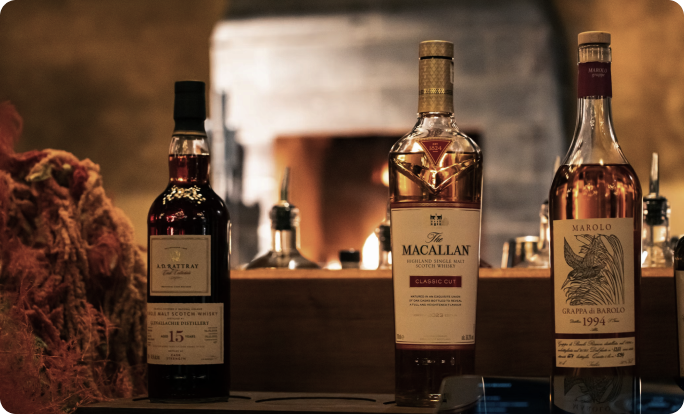
Young’s Directors Special (1950’s Edition)
75.7cl / 70 Proof% (OUT OF STOCK)
OR
Write your personal whisky concierge now ->

If you like this whisky, you will also like these
About this whisky
- Malt type: Blended
- Region: Scotland
Here is a story Neil Gaiman could write about this bottle:
Edward Young was not merely a blender of whisky; he was, in his own words, a craftsman of moments. His blends were whispers of summers long gone, stolen warmth from peat fires, and the laughter of strangers who had long since vanished into memory. Among his many creations, one stood apart—a blend so precise, so exquisitely balanced, it was said to hold not just a taste of time but time itself. This was Young’s Director’s Special.
By the time the bottle came into Ellie Harrow’s hands, it had already acquired a mythology of its own.
Ellie was not a collector. She wasn’t even much of a drinker. What she was, however, was curious—a quality that often led her into strange situations. She’d found the bottle in an antique shop on a rainy Tuesday. It sat on a shelf behind a battered silver tea set, glowing faintly, as though it knew it didn’t belong there. The label, faded but still legible, bore the name Edward Young and the date 1950. Below that, in looping script: “A sip is all it takes.”
She bought it for less than it was worth, though she didn’t know it at the time.
That night, Ellie uncorked the bottle. A warm, honeyed aroma filled her tiny kitchen. It smelled like old books, fresh-cut grass, and woodsmoke. But there was something else too, something she couldn’t quite name—a tug at the edge of her mind, like trying to recall a dream.
She poured herself a small measure, hesitated, and drank.
The first taste was a rush of golden light. Ellie closed her eyes, and when she opened them, the kitchen was gone. She was standing in a dimly lit bar she had never seen before. The air smelled of tobacco and leather, and the hum of jazz floated in the background.
“First time?” a voice asked.
She turned to see a man in a dark suit and tie. His hair was slicked back, his smile sharp. He held a glass identical to hers, swirling the amber liquid inside.
“I... I think so,” Ellie managed.
He laughed softly. “You must have a bottle of Young’s, then. Welcome to the Between.”
The Between was not a place so much as a moment, stretched thin and spun into threads that wrapped around the lives of its visitors. The man introduced himself as Harold, a whisky enthusiast from 1987. There was a woman in a silk dress from 1923 and a tired-looking man in a flannel shirt who said he was from 2045.
“It’s a pocket of time,” Harold explained, “woven into the whisky. Edward Young didn’t just blend flavors—he blended moments. Each bottle of the Director’s Special is tied to this place.”
Ellie didn’t understand, not really, but she stayed and talked and drank. Each sip revealed more of the Between—its shifting walls, its endless shelves of bottles, each one tied to a memory, a fragment of someone’s life.
The next morning, Ellie woke up in her kitchen, the bottle still sitting on the counter. For days, she thought she’d imagined it all. But then the whispers began.
“Another sip,” they said.
She tried to ignore them, but the pull of the bottle was too strong. Each time she drank, she returned to the Between, meeting new people from different times, unraveling the secrets of Edward Young’s creation.
She learned the truth: the whisky didn’t just connect people to the Between; it collected them. Every sip was a thread, weaving the drinker into the fabric of the whisky itself.
“Stay too long,” Harold warned, “and you won’t come back.”
Ellie knew she should stop, but she couldn’t. The Between was more than intoxicating—it was alive. She felt connected to something vast and timeless, something that defied the smallness of her everyday life.
Then, one night, she noticed a new bottle on the shelves of the Between. It bore her name.
Harold looked at her gravely. “This is your last chance,” he said. “Finish the bottle, and you’ll belong here forever. Leave now, and you might still escape.”
Ellie hesitated. The Between was beautiful and endless, but it wasn’t real. Was it? She thought of her small, cluttered kitchen, her half-finished novels, her friends who rarely called but still cared.
In the end, she made her choice.
She left the bottle, unfinished, on her kitchen counter. She packed it away and never opened it again. But sometimes, on rainy nights, she swore she could hear jazz drifting through the air and smell the faintest trace of woodsmoke.
And she smiled, knowing the Between was still there, waiting.
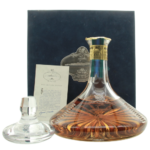
Young's Director's Special, circa 1950s, stands as a testament to the masterful art of blending that defined the era. Crafted by the esteemed Edward Young, this vintage blend captures the essence of sophistication and elegance, characteristic of the 1950s. Its rarity is underscored by its historical significance, representing a time when attention to detail and commitment to quality were paramount. Savoring Young's Director's Special is like taking a step back in time, offering enthusiasts a unique opportunity to experience a taste of whisky history. Ideal for collectors and connoisseurs alike, this blend is more than just a whisky; it is a piece of Edward Young's legacy, preserved in a bottle.
************************************
And now our humble description of the bottle:
Young's Director's Special, circa 1950s. Crafted by Edward Young, this vintage blend presents the characteristics of the 1950s whisky industry. Obtaining Young's Director's Special is like taking a step back in time. It offers a unique opportunity to experience a taste of whisky history. Ideal for collectors and connoisseurs alike, this blend is more than just a whisky; it is a piece of 1950s' in the bottle
Edward Young was not merely a blender of whisky; he was, in his own words, a craftsman of moments. His blends were whispers of summers long gone, stolen warmth from peat fires, and the laughter of strangers who had long since vanished into memory. Among his many creations, one stood apart—a blend so precise, so exquisitely balanced, it was said to hold not just a taste of time but time itself. This was Young’s Director’s Special.
By the time the bottle came into Ellie Harrow’s hands, it had already acquired a mythology of its own.
Ellie was not a collector. She wasn’t even much of a drinker. What she was, however, was curious—a quality that often led her into strange situations. She’d found the bottle in an antique shop on a rainy Tuesday. It sat on a shelf behind a battered silver tea set, glowing faintly, as though it knew it didn’t belong there. The label, faded but still legible, bore the name Edward Young and the date 1950. Below that, in looping script: “A sip is all it takes.”
She bought it for less than it was worth, though she didn’t know it at the time.
That night, Ellie uncorked the bottle. A warm, honeyed aroma filled her tiny kitchen. It smelled like old books, fresh-cut grass, and woodsmoke. But there was something else too, something she couldn’t quite name—a tug at the edge of her mind, like trying to recall a dream.
She poured herself a small measure, hesitated, and drank.
The first taste was a rush of golden light. Ellie closed her eyes, and when she opened them, the kitchen was gone. She was standing in a dimly lit bar she had never seen before. The air smelled of tobacco and leather, and the hum of jazz floated in the background.
“First time?” a voice asked.
She turned to see a man in a dark suit and tie. His hair was slicked back, his smile sharp. He held a glass identical to hers, swirling the amber liquid inside.
“I... I think so,” Ellie managed.
He laughed softly. “You must have a bottle of Young’s, then. Welcome to the Between.”
The Between was not a place so much as a moment, stretched thin and spun into threads that wrapped around the lives of its visitors. The man introduced himself as Harold, a whisky enthusiast from 1987. There was a woman in a silk dress from 1923 and a tired-looking man in a flannel shirt who said he was from 2045.
“It’s a pocket of time,” Harold explained, “woven into the whisky. Edward Young didn’t just blend flavors—he blended moments. Each bottle of the Director’s Special is tied to this place.”
Ellie didn’t understand, not really, but she stayed and talked and drank. Each sip revealed more of the Between—its shifting walls, its endless shelves of bottles, each one tied to a memory, a fragment of someone’s life.
The next morning, Ellie woke up in her kitchen, the bottle still sitting on the counter. For days, she thought she’d imagined it all. But then the whispers began.
“Another sip,” they said.
She tried to ignore them, but the pull of the bottle was too strong. Each time she drank, she returned to the Between, meeting new people from different times, unraveling the secrets of Edward Young’s creation.
She learned the truth: the whisky didn’t just connect people to the Between; it collected them. Every sip was a thread, weaving the drinker into the fabric of the whisky itself.
“Stay too long,” Harold warned, “and you won’t come back.”
Ellie knew she should stop, but she couldn’t. The Between was more than intoxicating—it was alive. She felt connected to something vast and timeless, something that defied the smallness of her everyday life.
Then, one night, she noticed a new bottle on the shelves of the Between. It bore her name.
Harold looked at her gravely. “This is your last chance,” he said. “Finish the bottle, and you’ll belong here forever. Leave now, and you might still escape.”
Ellie hesitated. The Between was beautiful and endless, but it wasn’t real. Was it? She thought of her small, cluttered kitchen, her half-finished novels, her friends who rarely called but still cared.
In the end, she made her choice.
She left the bottle, unfinished, on her kitchen counter. She packed it away and never opened it again. But sometimes, on rainy nights, she swore she could hear jazz drifting through the air and smell the faintest trace of woodsmoke.
And she smiled, knowing the Between was still there, waiting.
Young's Director's Special, circa 1950s, stands as a testament to the masterful art of blending that defined the era. Crafted by the esteemed Edward Young, this vintage blend captures the essence of sophistication and elegance, characteristic of the 1950s. Its rarity is underscored by its historical significance, representing a time when attention to detail and commitment to quality were paramount. Savoring Young's Director's Special is like taking a step back in time, offering enthusiasts a unique opportunity to experience a taste of whisky history. Ideal for collectors and connoisseurs alike, this blend is more than just a whisky; it is a piece of Edward Young's legacy, preserved in a bottle.
************************************
And now our humble description of the bottle:
Young's Director's Special, circa 1950s. Crafted by Edward Young, this vintage blend presents the characteristics of the 1950s whisky industry. Obtaining Young's Director's Special is like taking a step back in time. It offers a unique opportunity to experience a taste of whisky history. Ideal for collectors and connoisseurs alike, this blend is more than just a whisky; it is a piece of 1950s' in the bottle