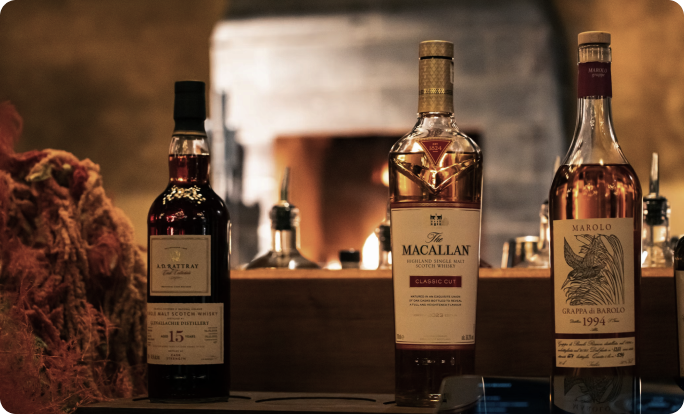
Most collectors chase individual bottles. The smartest collectors focus on a distillery — and build a story that grows in value with every addition.
Most people start collecting whisky the same way — a bottle here, a limited release there, no real thread connecting them. It feels good in the moment, but after a few years the collection lacks coherence, and the bottles that were easiest to find are now the hardest to appreciate. Focusing your collection on one or two distilleries changes everything: you develop genuine expertise, your bottles tell a connected story, and the rarest expressions within that world become far easier to identify and acquire. Over six years and thousands of bottles sourced from private collectors across the UK and Europe, the team at Glenbotal has seen this pattern play out consistently — the collectors who build with intention are the ones who end up with the pieces others spend years searching for. This guide covers the ten distilleries we consider the strongest focus points for 2026: a mix of prestige names, cult producers, and overlooked gems with serious upside.
Whisky values can rise and fall. This is not financial advice.
Not every well-regarded distillery makes the cut as a collection focus. We applied four criteria to arrive at this list:
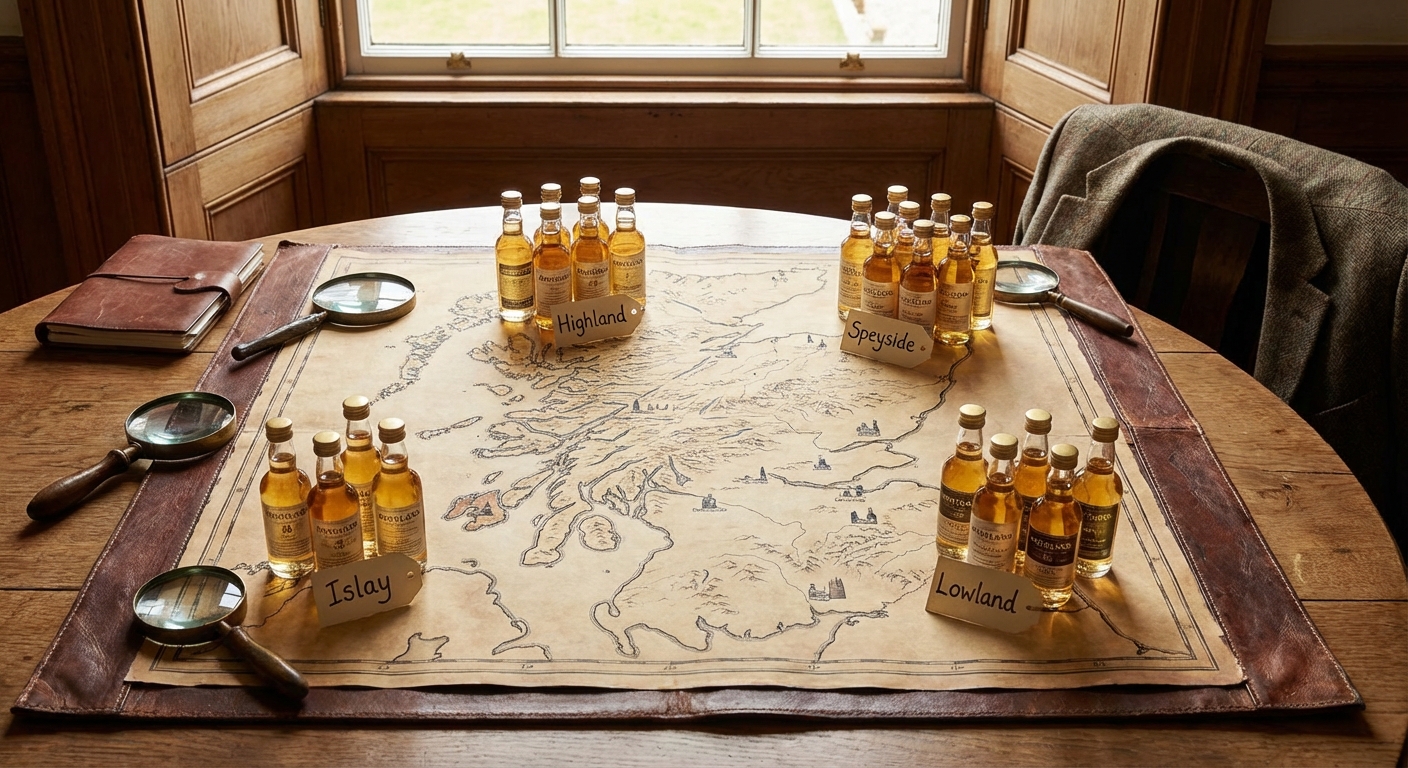
1. Limited edition programme quality. Distilleries that consistently release well-crafted, genuinely scarce expressions give collectors something worth hunting. Frequency, presentation, and the storytelling behind each release all matter.
2. Secondary market performance. We looked at how expressions from each distillery perform at auction and within private collector networks — both current pricing and trajectory over the last three to five years.
3. Value for money at entry level. A strong collection focus distillery should be accessible at the start. If the entry point is already beyond reach, the collection never gets off the ground. We favoured distilleries where you can begin meaningfully for under £150.
4. Collector community depth. The best distilleries have passionate, knowledgeable followings. A strong community means better information flow, more trading opportunities, and a more rewarding collecting experience overall.
| Distillery | Region | Best For | Entry Price | Difficulty to Find |
|---|---|---|---|---|
| Macallan | Speyside | Prestige and long-term appreciation | ~£120 (12 Year) | Moderate |
| Springbank | Campbeltown | Cult limited releases, full range depth | ~£55 (10 Year) | Moderate–High |
| Bruichladdich | Islay | Innovation, Octomore, Black Art | ~£45 (Classic Laddie) | Easy–Moderate |
| Glenfarclas | Speyside | Undervalued aged expressions, Family Casks | ~£40 (10 Year) | Easy |
| Daftmill | Lowland | Ultra-rare farm whisky, long-term appreciation | ~£200+ (Summer release) | Very High |
| Highland Park | Orkney | Consistent quality, Viking legacy series | ~£45 (12 Year) | Easy–Moderate |
| Talisker | Island | Iconic maritime character, Diageo Special Releases | ~£45 (10 Year) | Easy–Moderate |
| Laphroaig | Islay | Annual Cairdeas, Royal Warrant prestige | ~£40 (10 Year) | Easy–Moderate |
| Craigellachie | Speyside | Value-driven aged expressions, exceptional casks | ~£55 (13 Year) | Moderate |
| Port Ellen / Brora | Islay / Highland | Finite pre-closure bottles, maximum rarity | £800–£7,500+ | Extremely High |
Macallan is the distillery that defines the top of the whisky collecting world, and for collectors building a serious private collection, it remains unmissable.
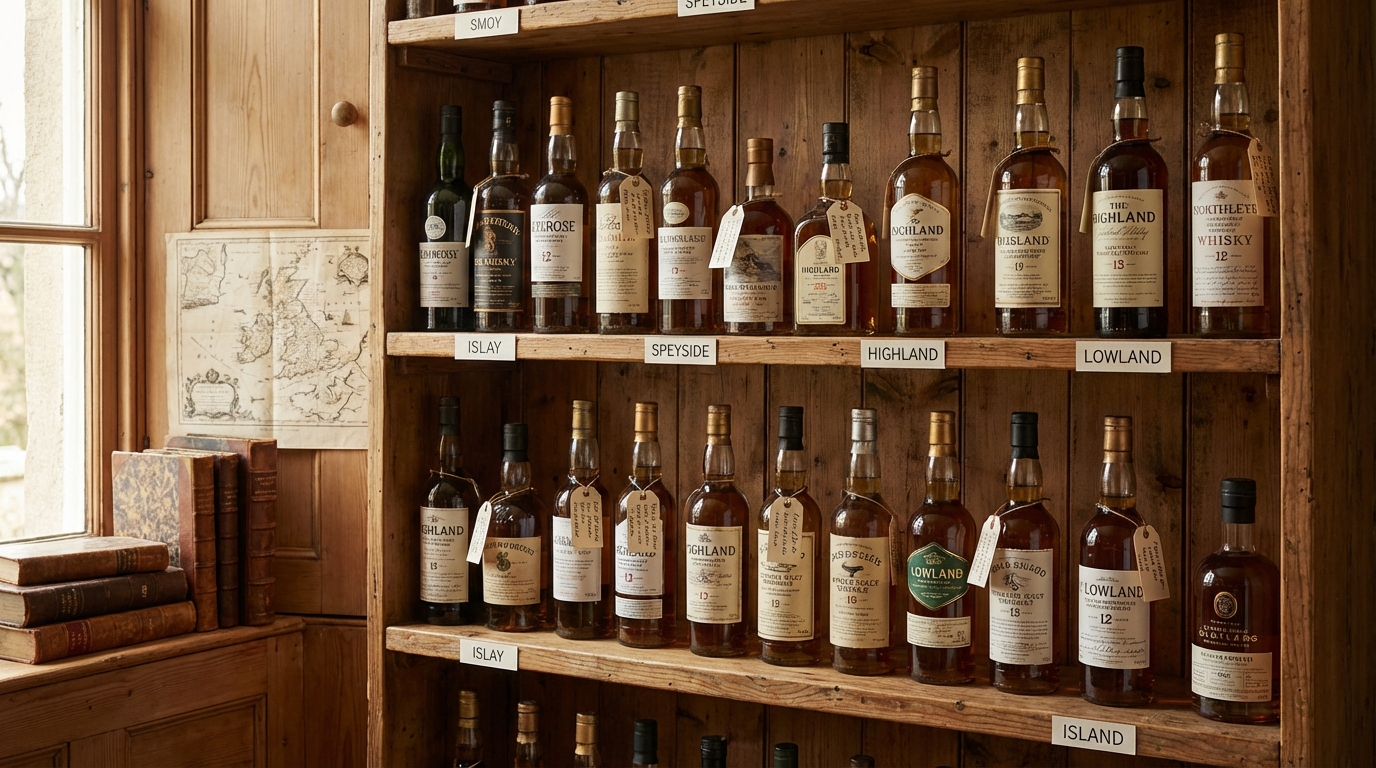
Located in Speyside and producing up to 15 million litres annually across 36 stills, Macallan has consistently dominated the highest end of whisky auctions. A 1926 Macallan achieved £2.1 million at auction in 2023 — the most expensive bottle of whisky ever sold — while earlier examples of the same vintage fetched £1.5 million in 2019 and $54,000 back in 2007, illustrating decades of consistent appreciation. The Fine & Rare Collection, the Red Collection (ranging from 40 to 78 years old), and the Archival Folio series all command serious collector attention, while the Lalique Master Decanter expressions bring an additional dimension of craftsmanship. For a deeper guide to building a Macallan collection, see our dedicated Macallan collecting guide.
The challenge with Macallan is that its prestige is no secret — the secondary market reflects that widely, and prices for sought-after releases can move quickly. That said, entry is still possible at under £150 for core expressions, and the brand’s trajectory over two decades makes it a cornerstone distillery for any serious collection.
What to look for:
Entry level: ~£120 for the Macallan 12 Year Old Double Cask
Not ideal if: You are early in your collecting journey with a limited budget and want to build volume — Macallan rewards patience and deep pockets more than breadth.
Springbank is the standard-bearer for traditional production, and its cult status within the collector community is built on genuine scarcity and uncompromising craft.
Founded in 1828 and located in Campbeltown — a region that once housed over thirty distilleries and now has just three — Springbank is owned by J&A Mitchell & Company and remains fiercely independent. It is widely recognised as the only Scottish distillery to perform every step in the whisky-making process, from malting the barley to bottling the spirit, entirely on-site. That commitment to tradition, combined with a production capacity of roughly 750,000 litres per year, keeps supply genuinely tight. The distillery produces three quite different single malts under one roof — the lightly peated Springbank itself, the heavily peated Longrow, and the unpeated, triple-distilled Hazelburn — giving collectors an unusually rich world to explore within a single producer.
Annual releases such as the Springbank Local Barley and the Campbeltown Loch bottlings sell out within hours of release and command meaningful premiums on the secondary market. The combination of authentic craft, limited production, and an intensely engaged collector community makes Springbank one of the most rewarding distilleries to focus on — provided you can get hold of the bottles.
What to look for:
Entry level: ~£55 for the Springbank 10 Year Old
Not ideal if: You prefer a straightforward buying experience — popular Springbank releases require fast responses to retailer allocations and a good network.
Bruichladdich is the distillery for collectors who want something genuinely different — a producer that treats whisky as a form of expression rather than a formula.
Based on Islay and revived in 2001 after a period of closure, Bruichladdich has built one of the most distinctive identities in Scotch whisky. Its commitment to transparency — every bottle carries the farm origin of the barley — and its willingness to experiment with cask types, peat levels, and barley varieties has attracted a collector base that values intellectual depth as much as prestige. The Black Art series, now into its seventh and eighth editions, is one of the most talked-about annual releases in whisky: a heavily sherried, richly complex expression whose exact composition the distillery keeps deliberately secret. Our full guide to the Black Art series covers every edition and what to expect. Meanwhile, Octomore — the most heavily peated whisky commercially produced — has its own dedicated following among those who want to chart the extremes of what Islay spirit can achieve.
The Classic Laddie, the entry-level unpeated expression, provides an accessible starting point, but the real collection focus lies in the numbered limited series: Black Art editions, Bere Barley releases, and single cask Micro Provenance bottlings that are genuinely hard to replicate.
What to look for:
Entry level: ~£45 for the Classic Laddie
Not ideal if: You prefer more traditional flavour profiles and are not drawn to experimental production methods.
Glenfarclas is among the most undervalued distilleries in Scotland relative to the quality and age of the whisky on offer — and astute collectors have been quietly taking advantage of that for years.
The Grant family has owned Glenfarclas since 1865, and the current chairman, John L.S. Grant, has held the role since 1973. That continuity of ownership and philosophy shows in everything from the sherry cask maturation programme to the 68,000 casks quietly maturing on-site in traditional dunnage warehouses — with stock dating back to 1953. The six stills are the largest on Speyside, giving the distillery the capacity to mature stock to impressive ages without the commercial pressure that forces many producers to release too early. Glenfarclas has been named Distiller of the Year by Whisky Magazine three times — in 2006, 2020, and 2023 — a recognition that reflects consistent excellence over decades. For a full breakdown of what to collect, our Glenfarclas Family Casks guide is essential reading.
The Family Casks series — launched in 2007 and originally covering every vintage from 1952 to 1994 — is the jewel of the collection focus. Individual cask bottlings at natural cask strength, often with only a few hundred bottles per expression, offer the kind of depth that takes years to explore and rewards those who pay attention to vintages and cask types.
What to look for:
Entry level: ~£40 for the Glenfarclas 10 Year Old
Not ideal if: You are drawn to heavily peated or experimental styles — Glenfarclas is firmly in the rich, sherried, traditional Speyside camp.
If there is one distillery on this list where early collectors are most likely to look back and feel they acted at exactly the right time, Daftmill is that distillery.
Built in a converted farm steading in Fife and licensed in 2005, Daftmill is one of the smallest distilleries in Scotland — a single wash still of 2,500 litres and a spirit still of 1,500 litres, with a maximum capacity of around 20,000 litres of alcohol per year. The Francis Cuthbert family grows all the barley used in production on the farm itself, making this perhaps the most literal expression of provenance in Scottish whisky. Releases happen in small annual batches — a summer release and a winter release — and each one sells out almost immediately, invariably at prices that have risen significantly from the previous year. Our guide to Daftmill limited releases tracks every batch and the prices they have achieved.
The difficulty is getting hold of bottles in the first place. Daftmill has no direct to consumer shop, and allocations go to a small number of trusted retailers. Building a relationship with those retailers — or accessing bottles through a private collector network like Glenbotal’s — is currently the most reliable route in.
The window for building a meaningful Daftmill collection at accessible prices may already be narrowing. The 2005 inaugural release has appreciated significantly since launch, and newer vintages are following the same trajectory.
What to look for:
Entry level: ~£200+ for current annual releases (prices rising year on year)
Not ideal if: You want straightforward access — Daftmill requires patience, good retailer relationships, or access to the secondary market.
Highland Park is one of the most consistently excellent distilleries in Scotland, and its secondary market performance — second only to Macallan among Edrington Group distilleries at auction — reflects a collector base that understands what it has.
Situated in Kirkwall on the Orkney Islands and producing around 2.5 million litres annually, Highland Park has the distinction of being the world’s northernmost single malt Scotch whisky distillery. The whisky is matured in sherry casks and peat-dried using local Orkney peat, which carries a higher proportion of heather than mainland peat — giving it a distinctive, floral smokiness unlike any other distillery. The core age statement range (12, 15, 18, and 21 Year Old) is consistently strong, but the collector focus rightly sits on the limited releases: the Viking Legacy series, the aged expressions above 25 years, and the occasional anniversary bottlings such as the 54-year-old released for the distillery’s 225th anniversary in 2023. Highland Park’s 25-year-old achieved a perfect 100-point score at the Ultimate Spirits Challenge, a benchmark few distilleries can claim.
The Viking-themed limited edition series has attracted strong interest from collectors who appreciate both the quality and the distinctive packaging, and the series provides a coherent collecting thread that adds visual and narrative appeal to a shelf.
What to look for:
Entry level: ~£45 for the Highland Park 12 Year Old Viking Honour
Not ideal if: You prefer unpeated Speyside or heavily coastal Islay profiles — Highland Park’s heathery peat sits between those extremes.
Talisker is the definitive maritime single malt, and its combination of iconic character, strong collector following, and annual Diageo Special Releases makes it one of the most rewarding island distilleries to collect.
Located in Carbost on the Isle of Skye’s Minginish Peninsula and operated by Diageo, Talisker produces a medium-peated malt at around 18–22 ppm, finished with distinctive swan-neck lye pipes that contribute to the whisky’s bold, peppery character. The 10-year-old has been a benchmark of the Classic Malts range for decades, winning a Double Gold at the 2015 San Francisco World Spirits Competition, while the 18-year-old claimed Best Single Malt in the World at the 2007 World Whiskies Awards. That breadth of recognition — from entry level to serious aged expressions — is exactly what makes Talisker a worthwhile collection focus. The distillery’s connection to Robert Louis Stevenson and the dramatic landscape of Skye adds a layer of cultural resonance that collectors respond to.
The annual Diageo Special Releases frequently feature Talisker in unusually aged or cask-finished expressions that command real secondary market interest. The 57° North expression (bottled at natural cask strength corresponding to Skye’s latitude) is a perennial favourite, and older Talisker expressions from the 1980s and 1990s are increasingly sought-after on the secondary market.
What to look for:
Entry level: ~£45 for the Talisker 10 Year Old
Not ideal if: You dislike maritime or peppery profiles — Talisker’s character is pronounced and is not for those who prefer lighter, more delicate styles.
Laphroaig is the only whisky to hold a Royal Warrant from King Charles III, and its combination of iconic flavour, annual limited releases, and fiercely loyal collector community makes it one of the most satisfying distilleries to build a collection around.
Produced on Islay with a production capacity of 3.3 million litres annually across three wash stills and four spirit stills, Laphroaig is the best-known heavily peated Scotch whisky in the world. The Cairdeas series — released annually in different expressions, each exploring a different cask type or maturation approach — is the primary collector focus, and each edition reliably generates secondary market activity within weeks of release. Our full guide to the Cairdeas series covers the complete history of editions and which to prioritise. Older expressions such as the 27, 30, and 40-year-old are rare and expensive, while the discontinued 18-year-old is increasingly sought-after by collectors who bought it when it was still in production.
The Friends of Laphroaig programme — one of the most engaged distillery loyalty communities in whisky — adds a social dimension to collecting here that few other distilleries can match. Membership comes with a parcel of land on Islay, and the sense of belonging to something genuinely connected to the distillery is part of what keeps collector interest so strong year after year.
Laphroaig’s secondary market performance is particularly strong for Cairdeas editions, which regularly trade at two to three times retail price within 12 months of release.
What to look for:
Entry level: ~£40 for the Laphroaig 10 Year Old
Not ideal if: You dislike heavily peated, medicinal whisky styles — Laphroaig is one of the most intensely flavoured malts made anywhere in Scotland.
Craigellachie is the most underrated distillery on this list, and collectors who have taken notice in the last three years have quietly assembled some of the most interesting Speyside expressions available at any price point.
Founded in 1891 and named after the rocky cliff overlooking the River Spey, Craigellachie is operated by John Dewar & Sons (owned by Bacardi) and produces around 4 million litres annually from two wash stills and two spirit stills. The whisky uses worm tubs rather than modern condensers — an increasingly rare production method that preserves sulphurous, meaty character often found in traditional old-style Speyside. Much of the production has historically gone into Dewar’s blended whisky, which kept the single malt profile low and prices reasonable long after comparable distilleries had attracted collector premiums. The official range, launched properly in 2014 under the Last Great Malts of Scotland positioning, includes 13, 17, 19, and 23-year-old expressions — all offering exceptional cask quality at prices that still feel like they belong to a different era.
Independent bottlers, particularly those with access to exceptional single casks, have long known Craigellachie’s quality, and some of the most interesting expressions come not from the official range but from small-batch independent bottlings sourced at natural cask strength. Craigellachie also benefits from sitting next to Macallan geographically, close enough to share some of the valley’s character without carrying anything like the same price premium.
What to look for:
Entry level: ~£55 for the Craigellachie 13 Year Old
Not ideal if: You prefer lighter, fruitier Speyside styles — Craigellachie’s worm tub character gives it a more robust, meatier profile than the region’s typical style.
Port Ellen and Brora represent the most extreme end of whisky collecting: distilleries where the pre-closure bottles are genuinely finite, and where every acquisition is one fewer available anywhere in the world.
Both distilleries closed in 1983 during the industry-wide rationalisation that shuttered a generation of Scottish producers. Port Ellen on Islay and Brora in Sutherland produced distinctively different whiskies — Port Ellen a heavily peated Islay malt, Brora a complex mix of peated and lightly peated Highland spirit — but both have followed the same trajectory in the decades since: steady appreciation driven by diminishing supply and intensifying collector demand. Port Ellen’s 1979 cask sold at Sotheby’s in 2022 for £875,000, while a 1979 single cask sold as part of its annual release commands prices most collectors can only admire from a distance. Brora’s 1972 40-year-old, released in 2014, was the most expensive single malt Diageo had ever released at the time, priced at £7,000 retail.
Both distilleries have since been revived — Port Ellen reopened in March 2024 following a £185 million investment, and Brora resumed production in 2021 — which creates an interesting collector dimension: pre-closure bottles are irreplaceable, while the new production offers a chance to build a collection from the beginning of a new chapter. The 200th anniversary edition of Port Ellen, released in September 2025 as just 150 bottles worldwide at £7,500 each, demonstrates that even the revived distillery understands the value of scarcity.
What to look for:
Entry level: £800–£1,500 for entry-level official annual releases (pre-closure); new production releases begin lower
Not ideal if: You are building a collection around regular buying and enjoyment — Port Ellen and Brora at this level are long-term hold pieces requiring serious commitment.
The best focus distillery is not always the most prestigious — it is the one that fits your budget, tastes, and collecting goals. Use these questions to narrow your choice:
1. What is your annual collecting budget? If you are starting with under £500 per year, Glenfarclas, Laphroaig, and Craigellachie offer the most rewarding entry points without forcing you to stretch. If you have £1,000–£5,000 per year, Springbank, Bruichladdich, and Highland Park become genuinely interesting focus distilleries. Above £5,000, Macallan and Daftmill deserve serious attention, and Port Ellen and Brora become at least aspirational targets.
2. Do you want to drink your collection, hold it, or both? If drinking is part of the point, choose distilleries with a strong core range alongside limited editions — Talisker, Laphroaig, and Highland Park all reward opening. If building a hold collection is the primary goal, Daftmill, Macallan limited editions, and Port Ellen or Brora pre-closure bottles have the strongest trajectories.
3. How important is the community to you? Springbank and Laphroaig have among the most engaged collector communities in whisky. If you enjoy the social dimension — the hunt, the trade, the conversation — these distilleries offer that in abundance.
4. Do you prefer consistent house style or variety within one producer? Bruichladdich and Springbank both produce multiple distinct styles under one roof, giving collectors a broader flavour world to explore without changing focus. Macallan, Glenfarclas, and Laphroaig have a more defined, consistent house character that deepens as you explore more expressions.
For a broader framework on building a collection with purpose, our ultimate whisky collecting guide covers everything from storage to buying strategy.
Building a collection around a distillery — rather than chasing individual bottles without a thread — is the approach that separates the most rewarding private collections from a shelf of interesting-but-disconnected purchases. The ten distilleries on this list offer genuinely different entry points, flavour worlds, and collecting stories, but each one rewards sustained focus, patience, and the knowledge that comes from tracking a single producer over time.
At Glenbotal, we have spent six years sourcing rare and hard-to-find bottles from private collectors across the UK and Europe. Our private collector network gives access to expressions that never appear on general retail, and our free valuation service helps collectors understand exactly what they have and what it is worth. Whether you are looking to start a Springbank collection from scratch, add a Port Ellen annual release to a long-term hold portfolio, or finally locate that Daftmill Summer Release you missed at allocation — we can help.
Explore the full collection at Glenbotal and speak to our team about what you are looking for. Not sure where to start? See How our free valuation service works and let us help you build a collection with purpose.
Glenfarclas and Laphroaig are the strongest starting points for new collectors. Both offer a well-priced, high-quality entry expression (around £40) that genuinely reflects the house style, a clear range to explore upward, and annual limited releases that provide early experience of the secondary market without requiring enormous investment. Springbank is also excellent for beginners who are willing to put in the effort to secure allocations.
Macallan has the longest and most consistent record of appreciation at the top end of the market — the 1926 vintage has been the most expensive bottle of whisky sold on multiple occasions. Daftmill is the strongest current opportunity among smaller producers, with each annual release appreciating meaningfully from the previous year. Port Ellen and Brora pre-closure bottles have a built-in appreciation driver: finite supply and no possibility of new stock for those vintages. Whisky values can rise and fall. This is not financial advice.
Craigellachie is the most underrated distillery on this list by a clear margin. Its worm tub production, aged expressions at 17 and 23 years, and the quality of independent cask bottlings all punch well above the price point the market currently assigns them. Glenfarclas makes a strong case too — particularly the Family Casks, where vintages from the 1960s and 1970s can still be found at prices that would be three to four times higher if they carried a more famous name.
Start with the core range — the standard age-statement expressions that define the house style — so you understand what the distillery is fundamentally about. Then move to the limited annual releases, which give you something to look forward to each year and begin building secondary market awareness. Once you have a handle on what you like within the range, seek out older and rarer expressions, including private collector sales and auction appearances. Our ultimate whisky collecting guide covers the full process in detail.
Both approaches are valid, but focus produces the most rewarding collections over time. Collectors who build depth in one or two distilleries develop genuine expertise, a more coherent collection story, and a stronger network within that distillery’s community. Broad collecting is enjoyable and exposes you to a wider range of whiskies, but it rarely produces the kind of rare, complete sets that command the most attention and value. Many experienced collectors begin broadly and gradually concentrate as they find the producers they are most drawn to.
Laphroaig (annual Cairdeas), Bruichladdich (annual Black Art and Octomore batches), and Springbank (Local Barley, annual wood expressions) have the most consistently sought-after limited release programmes. Macallan’s Archival Folios and Red Collection are the most prestigious. Diageo’s annual Special Releases regularly feature Talisker, Port Ellen, and Brora at ages that generate significant collector interest.
Yes — pre-closure Port Ellen and Brora bottles are among the most defensible long-term holds in whisky collecting, simply because the supply can only decrease. Every bottle opened or lost is one fewer in existence for the pre-closure vintage range, and collector demand has grown consistently. The reopened distilleries add a new dimension: inaugural releases of the revived production offer a chance to be at the beginning of a new chapter, as early Macallan and early Springbank collectors were.
Laphroaig and Bruichladdich offer the strongest collection-building frameworks on Islay. Laphroaig has the annual Cairdeas series, Royal Warrant prestige, and the Friends of Laphroaig community. Bruichladdich has the Black Art series, Octomore, and a genuinely innovative approach that keeps the range surprising year after year. Ardbeg and Lagavulin both merit honourable mentions — Ardbeg’s annual Committee Release and Lagavulin’s Distillers Edition are strong collector pieces — but for sustained depth as a collection focus, Laphroaig and Bruichladdich lead.
The Macallan 12 Year Old Double Cask is typically available for around £120 and provides a genuine introduction to the house style. The 18 Year Old Double Cask sits around £250–£300 and is where most serious collectors begin to engage with the range. For limited edition collecting, early Archival Folio releases can still be found through specialist retailers and private sales for £300–£600, though prices for the full set have risen considerably. Our Macallan collecting guide covers the full range with current pricing guidance.
Taste is the most important factor in choosing a collection focus, because the most rewarding collections are built around whiskies you genuinely love, not just whiskies that perform well. If you prefer rich, sherried, dried-fruit character, look at Macallan, Glenfarclas, and Highland Park. If you enjoy maritime, coastal, and peated styles, Laphroaig, Talisker, and Bruichladdich Octomore are natural homes. If you want traditional, complex character without heavy peat, Springbank and Craigellachie are excellent choices. The best approach is to work through entry expressions across several distilleries before committing to a focus — and if you want guidance from a team with six years of rare whisky experience, the Glenbotal team is always happy to help.
Explore the full collection at Glenbotal — rare whisky sourced from private collectors across the UK and Europe.