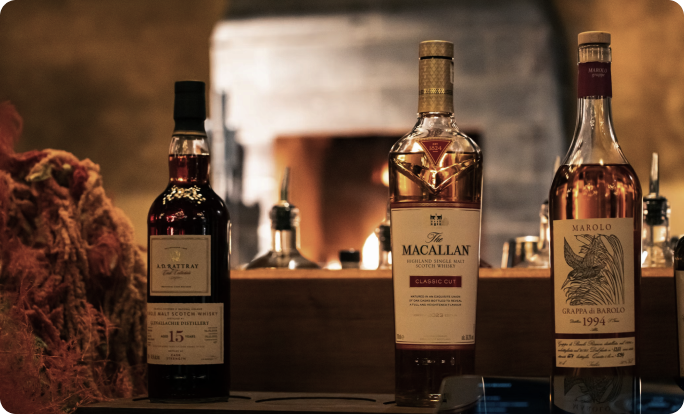
Scotland is home to 151 operating distilleries producing spirit for export to nearly 180 countries — yet the rarest bottles never make it to a supermarket shelf. They end up in private collections. This guide shows you how to build yours.
Most people who want to start a whisky collection never do — not because they lack the money or the interest, but because they believe it requires years of expertise they haven’t yet earned. That assumption is wrong, and it costs would-be collectors some of the best buying opportunities in the market. The truth is that every serious collector started exactly where you are now: curious, slightly uncertain, and ready to learn. What separates those who build remarkable collections from those who don’t is not prior knowledge — it is taking a deliberate first step and following a clear process from there.
There is a widespread myth that whisky collecting is a closed world — reserved for experts with deep industry contacts and six-figure budgets. In reality, the market has never been more accessible to newcomers.
Reputable specialist retailers like Glenbotal do the hard curation work for you. With over six years sourcing rare and sought-after bottles from private collectors across the UK and Europe, and thousands of bottles passing through their hands, they bring expertise that would take a solo collector decades to accumulate. You benefit from that knowledge the moment you make your first purchase.
The barrier to entry is lower than most people assume. Meaningful collections have been built starting at under £100 per bottle. The key is not how much you spend — it is how deliberately you spend it.
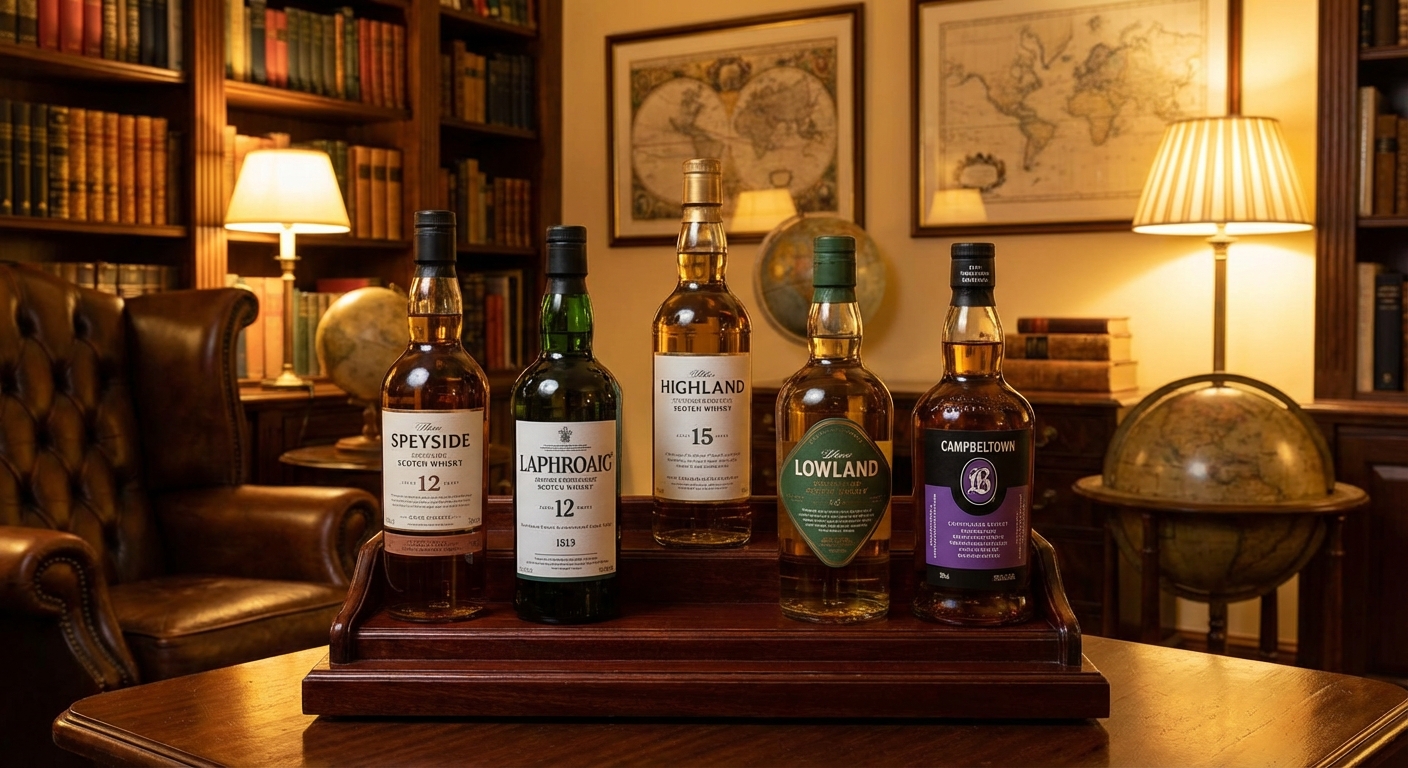
The single biggest mistake new collectors make is buying bottles at random — a Speyside here, an Islay there, a blended malt because it caught their eye. Without a focus, you end up with a miscellaneous shelf rather than a collection.
Choose one of these four entry points:
Your focus can evolve as your knowledge grows. But starting with a clear lens sharpens every buying decision you make.
Whisky collecting spans an extraordinary price range — from thoughtful £50 bottles to single expressions worth tens of thousands. Understanding what each budget level gets you prevents both under-spending (missing real quality) and over-spending before you are ready.
At this range, you are not yet in rare-bottle territory, but you can build a genuinely interesting collection. Look for independent bottler expressions, distillery exclusives, and bottles from lesser-known but respected producers. Quality is high; collectible upside is modest. This is the ideal level for learning.
This is where collecting becomes genuinely exciting. Limited releases, older age statements, and well-regarded annual bottlings sit in this range. Bottles at this level attract real collector demand, and condition and provenance start to matter meaningfully. Most serious collections are built primarily here.
At this level, you are acquiring sought-after bottles that attract auction interest and long-term collector demand. Rare single casks, discontinued expressions, and highly allocated releases populate this tier. Due diligence on authenticity and condition is essential before every purchase.
Note: Whisky values can rise and fall. Past performance of specific bottles does not guarantee future appreciation. This is not financial advice.
A practical approach: set a monthly or quarterly budget and stick to it. Consistency over time — even at modest spend — builds a more interesting collection than occasional large splurges.
You do not need to be an expert, but understanding the key value drivers will stop you overpaying and help you spot genuine opportunities. Our dedicated guide to what makes a whisky bottle valuable covers this in depth — here is the quick primer.
Age statement — Older whiskies cost more to produce because the spirit has been maturing for longer, with some lost to evaporation (the “angel’s share”) each year. A 25-year-old expression represents a significant commitment from the distillery, and that scarcity is priced in.
Distillery reputation and status — Bottles from distilleries with strong collector followings (Macallan, Springbank, Bowmore, Port Ellen) command premiums. Closed or “ghost” distilleries — those that no longer produce — generate particularly fierce collector interest because supply is fixed forever.
Limited edition and allocation — A bottle produced in a run of 2,000 is inherently scarcer than one produced in a run of 200,000. Numbered bottles, cask-strength releases, and distillery-only exclusives all carry scarcity premiums.
Condition — Fill level, label integrity, capsule condition, and original box all affect value materially. A bottle in pristine condition with its original packaging is worth meaningfully more than the same expression with a torn label or low fill.
Provenance — Where a bottle comes from matters. A bottle sourced directly from a distillery release or a known private collection carries more credibility than one with an unclear history.
Skim Stopper: Your first bottle sets the tone for your entire collection. Buy it with intention, not impulse.
Specialist retailers are the most straightforward entry point, particularly for beginners. A reputable specialist has already vetted authenticity, condition, and provenance. You pay a fair market price and receive expert guidance. Glenbotal sources bottles directly from private collectors across the UK and Europe — every bottle is assessed before listing, so you are not taking a condition risk.
Whisky auctions (Scotch Whisky Auctions, Whisky Hammer, Catawiki) offer access to a wide range of bottles, sometimes at below-retail prices. The trade-off is that you need to assess condition yourself from photographs, understand auction fees (typically 20–25% buyer’s premium), and accept that authentication is your responsibility. Auctions are a valuable tool once you have some experience, but not the safest starting point for a first purchase.
Supermarkets and duty-free are fine for drinking whiskies but rarely the right source for collectible bottles. The genuinely sought-after expressions do not sit on those shelves.
Before committing to any purchase, check: fill level (should be in the neck or upper shoulder), label condition (no tears, staining, or significant fading), capsule integrity (no splits, no signs of tampering), and original packaging (box, case, or presentation tin where applicable). Ask the seller for provenance if it is not stated. A trustworthy retailer will have no hesitation answering.
Do not buy the first bottle that catches your eye. Cross-reference the asking price against recent auction results using sites like Whisky Auctioneer or Scotch Whisky Auctions to establish fair market value. Be wary of prices that seem too low — a genuine rare bottle priced well below market is rare; a counterfeit or damaged bottle priced below market is not.
Improper storage is one of the fastest ways to destroy the value of a whisky collection. The good news is that correct storage is straightforward — and costs almost nothing to get right from the start.
Temperature — Store bottles at a stable, cool temperature between 15°C and 20°C. Avoid anywhere that experiences significant temperature swings (next to a radiator, in a conservatory, in an uninsulated loft). Fluctuating temperatures cause the liquid to expand and contract, which can push spirit past the cork seal over time.
Light — Ultraviolet light degrades whisky and fades labels. Keep bottles away from direct sunlight and strong artificial light. A dark cupboard, a dedicated cabinet, or a cellar is ideal. If you are displaying bottles, use UV-filtering glass.
Position — Unlike wine, whisky should be stored upright. High-alcohol spirits (typically 40–65% ABV) can degrade natural cork over time if the spirit is in continuous contact with it. Store bottles standing vertically, and if they will be stored for many years, consider turning them briefly once a year to keep the cork from drying out completely.
Away from strong smells — Whisky can absorb odours through a porous cork. Keep bottles away from cleaning products, paints, strong foods, or anything with a persistent chemical smell.
Humidity — Moderate humidity (around 60–70%) helps prevent corks from drying out. Avoid extremely dry environments for long-term storage.
If your collection grows beyond a few shelves, a dedicated wine or spirits cabinet with temperature and humidity control is a sensible investment.
Skim Stopper: A collection without records is just bottles on a shelf. Records are what turn a shelf into an asset.
A simple spreadsheet is sufficient when you are starting out. Record the following for every bottle you acquire:
As your collection grows, dedicated tools like Whisky Portfolio or spreadsheet templates used by collector communities make tracking easier. You can also request a free valuation from Glenbotal to get an independent assessment of what your bottles are worth at any point.
Keeping records also matters for insurance purposes. Most home contents policies do not automatically cover a whisky collection of meaningful value — your records are the documentation insurers require.
Whisky collecting accelerates dramatically when you learn from people who have been doing it longer than you. The community is, by and large, genuinely welcoming to newcomers.
Online communities — Reddit’s r/whisky and r/scotch have hundreds of thousands of members and a wealth of searchable knowledge. Whisky Magazine’s forums and Facebook groups dedicated to specific distilleries or regional collecting are also valuable. Introduce yourself, ask questions, and read broadly before forming strong opinions.
Tasting events and distillery visits — The Scotch Whisky Experience in Edinburgh offers structured tastings and educational programmes that are excellent for building foundational knowledge quickly. Distillery open days and whisky festivals (Spirit of Speyside, Islay Festival, Edinburgh Whisky Festival) give you direct access to distillers and fellow collectors.
Auction observation — Even before you buy at auction, watching a few cycles of results on Scotch Whisky Auctions or Whisky Hammer teaches you which expressions are attracting strong demand, how prices are trending, and what condition issues most affect hammer prices. This market literacy is invaluable.
Specialist retailers as partners — A good specialist retailer is more than a shop. The Glenbotal team has spent six years building relationships within a private collector network — if you are looking for a specific bottle or want guidance on what to add next, that expertise is there to be used.
Even with the best intentions, new collectors fall into predictable traps. Our full guide to whisky collecting mistakes covers these in detail, but here are the five most damaging:
1. Buying without a focus. A random assortment of bottles is not a collection — it is a shopping habit. Define your focus before your second purchase, ideally before your first.
2. Ignoring condition. A £500 bottle with a damaged label and low fill is not a £500 bottle. Condition affects both resale value and the enjoyment of displaying your collection. Never buy blind on condition.
3. Overpaying due to urgency. The fear of missing out is real in whisky collecting — limited releases sell out, and some bottles never come back. But panic-buying at inflated prices rarely pays off. Build market knowledge before you move quickly.
4. Storing bottles incorrectly. Storing on their sides, near heat sources, or in bright light causes measurable and sometimes irreversible damage. Get storage right before the collection grows.
5. Not keeping records. Memory is not a records system. Every purchase should be documented from day one. Trying to reconstruct a collection’s history retrospectively is painful and often incomplete.
Starting a whisky collection is one of the most rewarding pursuits for anyone with genuine curiosity about one of Scotland’s defining crafts. The barriers are lower than they appear, the community is welcoming, and the bottles available to collectors today — sourced from private collections that rarely surface publicly — are extraordinary.
The Glenbotal collection is built on six years of relationships with private collectors across the UK and Europe, thousands of bottles assessed and curated, and a genuine commitment to making rare whisky accessible to collectors at every stage. Whether you are buying your first bottle or looking to add a sought-after expression to an established collection, browse what is available — and if you already have bottles and want to know what they are worth, the team offers free valuations with no obligation.
For a deeper dive into any aspect of collecting, explore our full ultimate whisky collecting guide.
You can start a meaningful collection with as little as £50–£100 per bottle. Entry-level collecting at this price point gives you genuine quality and teaches you to assess expressions before you commit larger sums. The most important investment at the beginning is knowledge, not capital.
This is a personal decision, and there is no objectively right answer. Opened bottles lose their collectible premium — an unsealed bottle is worth a fraction of a sealed one at auction. If a bottle is part of your collection for its value or as a display piece, keep it sealed. If you are collecting primarily for enjoyment and the occasional exceptional dram, drink it without guilt. Many collectors maintain two parallel approaches: a display collection they never open, and bottles they actively enjoy.
There is no single right answer, but a strong principle applies: buy something that fits your chosen focus, comes from a reputable source, and represents fair value at its price point. A distillery-bottled expression with a clear age statement from a well-regarded producer is a sound first purchase. Avoid buying primarily on the basis of a high projected resale value until you have enough market knowledge to assess that claim independently.
Store bottles upright, at a stable temperature between 15°C and 20°C, away from direct light, and away from strong smells. Avoid temperature extremes and fluctuations. Moderate humidity (60–70%) helps preserve natural corks. A dedicated spirits cabinet with climate control is worth considering once your collection grows beyond a few dozen bottles.
Some whiskies — particularly limited editions, aged expressions from sought-after distilleries, and bottles from closed distilleries — have appreciated significantly in value over time. However, not all whiskies appreciate, and past performance does not guarantee future results. Treat any potential appreciation as a secondary benefit of collecting, not the primary motivation. Whisky values can rise and fall. This is not financial advice.
Focusing on a single distillery is one of the most effective strategies for a beginner collector. It develops deep knowledge of a specific producer’s history, expressions, and pricing, making it easier to spot both good buys and overpriced bottles. It also gives your collection a coherent identity. That said, the right focus depends on your personal taste and interests — a regional or series focus can be equally rewarding.
Collecting is driven by genuine interest in the spirit, its provenance, and the enjoyment of building a curated set of bottles. Investing treats whisky primarily as a financial asset, with purchase decisions driven by projected resale value. In practice, most serious collectors are somewhere between the two — they buy bottles they genuinely care about, but they are aware of and pleased by the value their collection builds over time. The distinction matters because pure investment strategies in whisky require specialist knowledge, significant capital, and risk tolerance that casual beginners typically do not have.
Once your collection has material value — a reasonable threshold to consider is £2,000–£3,000 — yes, you should look at insurance. Standard home contents policies often exclude or under-value collectibles. Specialist insurers and some high-net-worth home insurance policies will cover a whisky collection at declared value, provided you have documentation. This is why keeping records and photographs from day one matters.
Buy from trusted, reputable sources — this is the most reliable protection against counterfeits. When buying at auction or from private sellers, examine the label printing quality, the fill level against what is documented for that release, the capsule for signs of tampering, and the serial number or batch code against known release data. For high-value bottles, specialist authentication services exist. When in doubt, consult a specialist retailer before committing. At Glenbotal, every bottle is assessed for authenticity and condition before it is listed.
Sell when it makes sense for you — not simply because a bottle has appreciated. Good reasons to sell include: the bottle has reached a price well above what you could replace it for, you need capital to acquire something you want more, or the bottle no longer fits the direction your collection has taken. Use recent auction results and a free valuation from Glenbotal to establish fair market value before selling. Avoid selling in haste or under pressure — the whisky market rewards patience.
Specialist retailers with private collector networks are often the best source of genuinely rare bottles that never surface at retail. Whisky auctions are another route, though competition for highly sought-after expressions can be fierce. Distillery mailing lists and allocations are worth pursuing for future limited releases. Building relationships within the collector community — through forums, events, and specialist retailers — surfaces opportunities that are invisible to the general market.
Explore the full collection at Glenbotal — rare whisky sourced from private collectors across the UK and Europe.