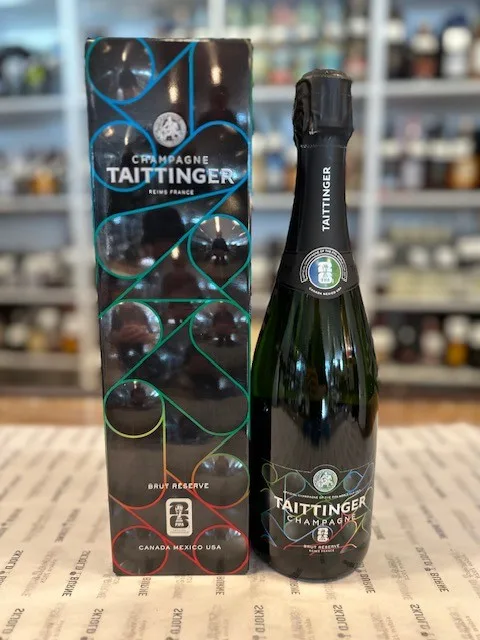
Taittinger Brut Réserve FIFA 2026
US$109.00

Scotland
Rest of the world
215 bottles
US$109.00
3L
US$3,639.00
US$289.00
US$169.00
US$109.00
US$529.00
US$529.00
US$529.00
US$79.00
US$79.00
75cl / 12.5%
US$389.00
1.5L
US$189.00
US$89.00
1.5L
US$469.00
US$319.00
US$99.00
1.5L
US$369.00
US$29.00
US$119.00
US$429.00
US$89.00
US$139.00
US$259.00
US$319.00
70cl
US$239.00
75cl / 12%
US$69.00
70cl
US$99.00
70cl
US$179.00
75cl / 12%
US$29.00
70cl / 40.6%
US$1,159.00
70cl
US$409.00
1.5L / 12%
US$169.00
70cl
US$79.00
75cl / 12%
US$29.00
70cl
US$149.00
75cl / 12%
US$69.00
75cl / 12%
US$109.00
75cl / 12%
US$69.00
75cl / 12%
US$129.00
75cl / 12%
US$79.00
US$89.00
75cl / 12.5%
US$99.00
1.5L / 12%
US$169.00
75cl
US$129.00
75cl
US$299.00
75cl
US$319.00
1.5L
US$2,179.00
75cl
US$289.00
The champagne range focuses on vintage and prestige bottles, many with years of bottle age. Recent listings include vintage Krug, Moët & Chandon Grand Vintage and older G.H. Mumm, alongside non-vintage cuvées from the major houses and smaller growers. A few sparkling wines from outside the region, such as Prosecco, are also filed here.
Champagne can only come from the Champagne region of north-east France, around Reims and Épernay. It is made by the traditional method: a still base wine is bottled with yeast and sugar, ferments a second time in the bottle to create the bubbles, then rests on its lees before the sediment is removed. The main grapes are Chardonnay, Pinot Noir and Pinot Meunier.
With age, champagne loses some fizz and gains toasty, nutty and honeyed notes, which many drinkers seek out. Store bottles lying down in a cool, dark place at a steady temperature. Check the fill level and the cork of older bottles, and serve well chilled at 8-10°C, older vintages slightly warmer.
Vintage champagne is made only from grapes harvested in one year, which the house declares in good years, and it must age at least three years before release. Non-vintage champagne blends wines from several years to keep a consistent house style and must age at least 15 months. Vintage champagne usually ages longer and costs more.
Most non-vintage champagne is best within a few years of release, while good vintage and prestige champagnes can develop for decades if stored well. Keep bottles lying down in a cool, dark place at a steady temperature. Old champagne becomes less fizzy and more toasty and nutty.
Champagne is made mainly from three grapes: Chardonnay, Pinot Noir and Pinot Meunier. Blanc de blancs uses only Chardonnay, while blanc de noirs uses only the black grapes Pinot Noir and Pinot Meunier. A few other old varieties are permitted but rarely used.
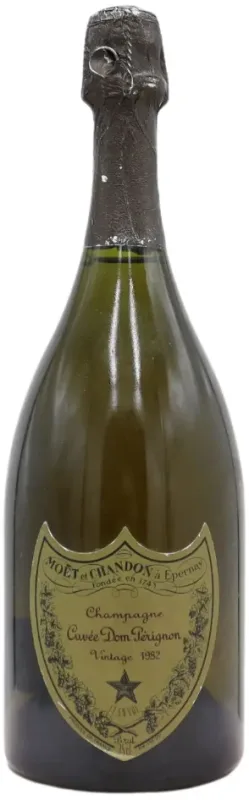
Yes. Dom Pérignon is the prestige vintage champagne of Moët & Chandon, named after the seventeenth-century Benedictine monk of Hautvillers. It is made only in declared vintage years, and the vintage is printed on the label. Older vintages such as the 1960s releases are highly collectable.
Champagne is best served at about 8-10°C, cold but not ice-cold. Older vintage champagne shows more aroma at around 10-12°C. Chill the bottle in the fridge for a few hours or in an ice bucket with water for about 20 minutes.
About Glenbotal
Glenbotal is an online marketplace for rare, collectable and limited-edition whisky and other spirits. Bottles are listed by partner shops and private sellers, each described as it is, and delivered to the UK and many other countries. Looking for one bottle in particular? Ask us through Find my bottle.