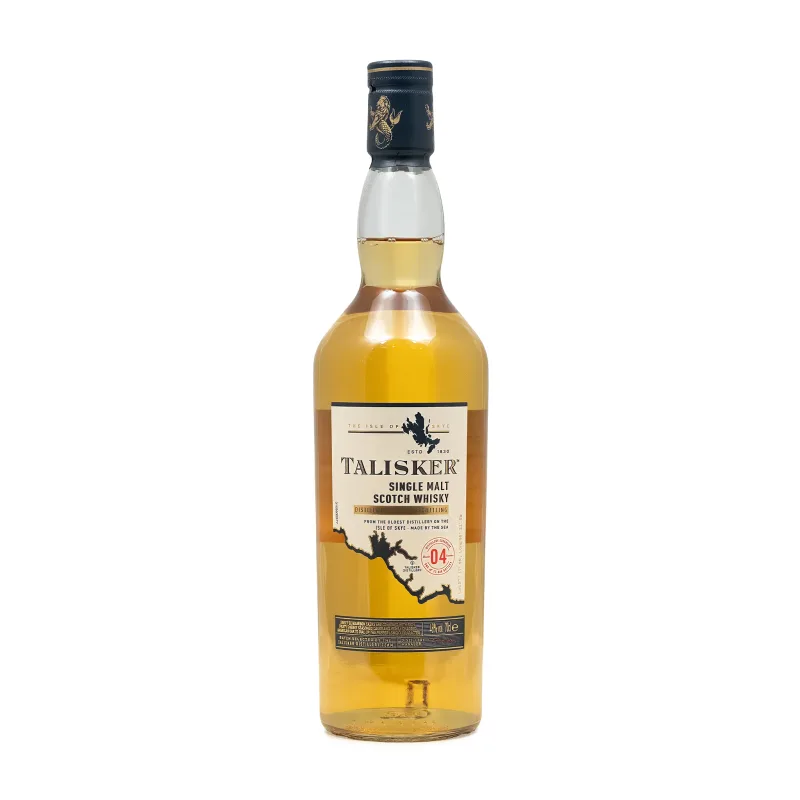
Talisker – Distillery Exclusive Release Batch 04
48%
US$239.00

Scotland
Rest of the world
757 bottles
48%
US$239.00
70cl / 48%
US$99.00
70cl / 47.7%
US$679.00
70cl / 57.9%
US$299.00
US$7,389.00
70cl
US$549.00
70cl
US$119.00
70cl
US$479.00
47.6%
US$539.00
70cl / 51.8%
US$269.00
70cl / 47.2%
US$699.00
70cl / 58.1%
US$199.00
70cl / 47.6%
US$549.00
70cl / 46%
US$1,179.00
70cl / 52.5%
US$479.00
48.1%
US$519.00
46.3%
US$89.00
US$109.00
50.2%
US$129.00
US$679.00
75cl / 44%
US$129.00
75cl / 46.7%
US$279.00
75cl / 42%
US$99.00
75cl / 40%
US$59.00
75cl / 40%
US$79.00
70cl / 40%
US$69.00
70cl / 46%
US$119.00
70cl / 46.7%
US$309.00
70cl / 50.7%
US$239.00
50%
US$89.00
50%
US$139.00
US$539.00
70cl
US$129.00
70cl
US$309.00
70cl
US$149.00
70cl
US$109.00
70cl
US$149.00
5cl / 40%
US$69.00
5cl / 50%
US$189.00
4cl / 46%
US$19.00
2cl / 60.3%
US$69.00
4cl / 43%
US$29.00
4cl / 48.2%
US$19.00
70cl / 50%
US$149.00
70cl / 47.5%
US$959.00
70cl / 57.6%
US$149.00
70cl / 46%
US$119.00
70cl
US$189.00
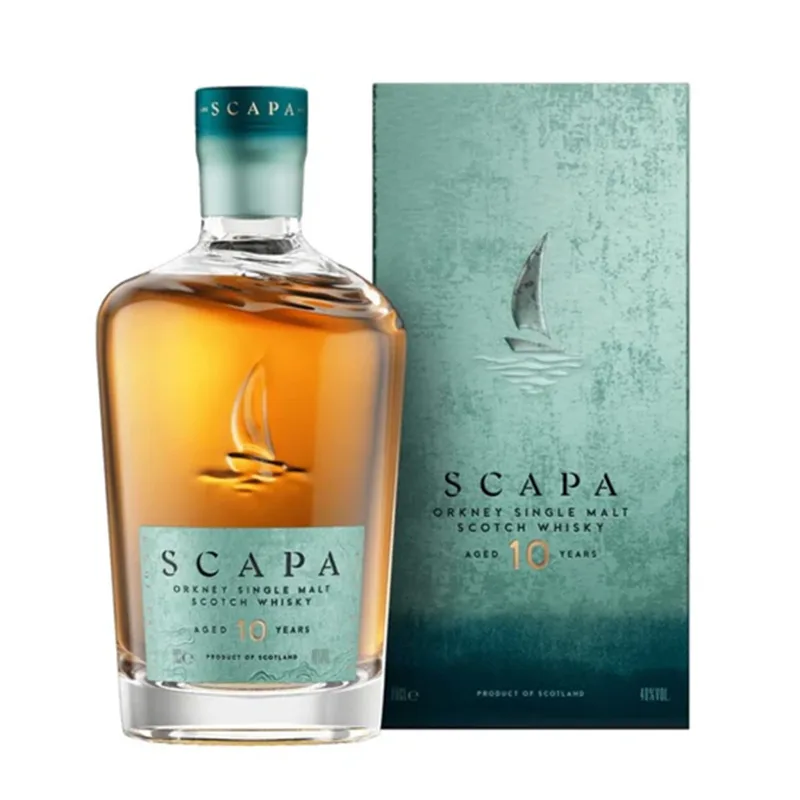
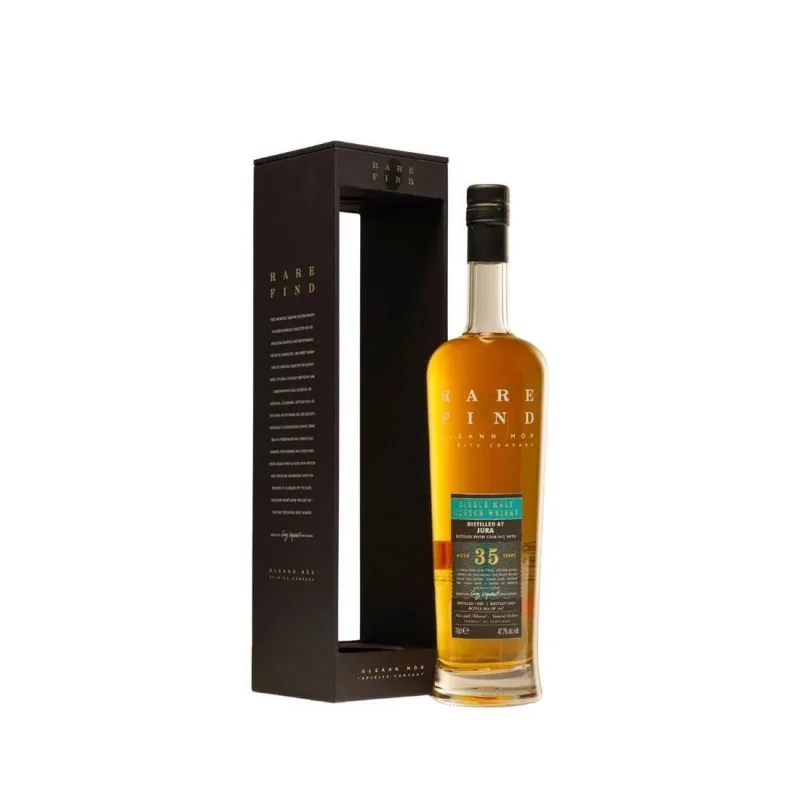
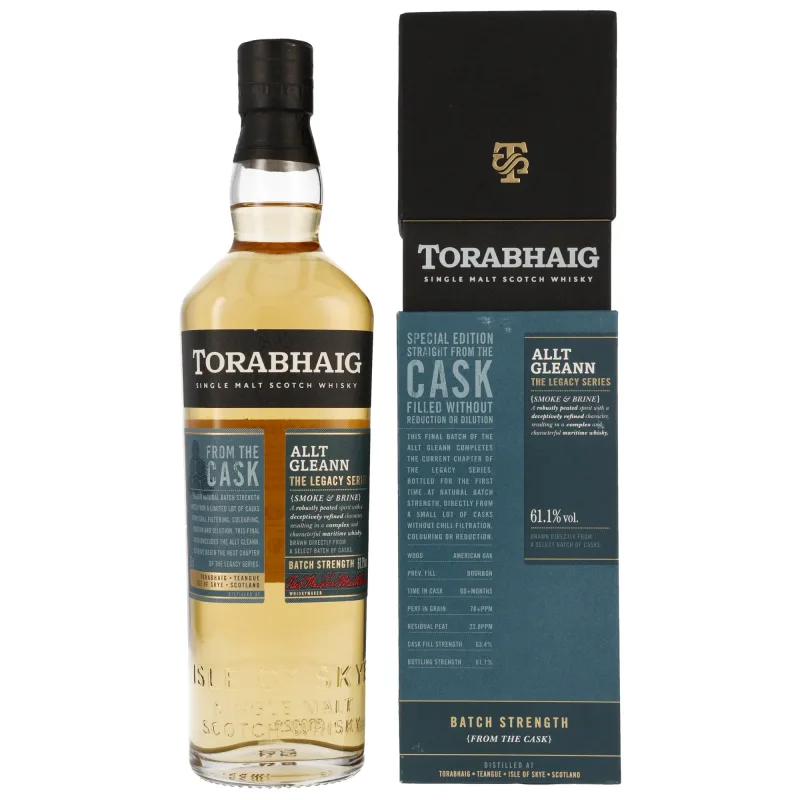
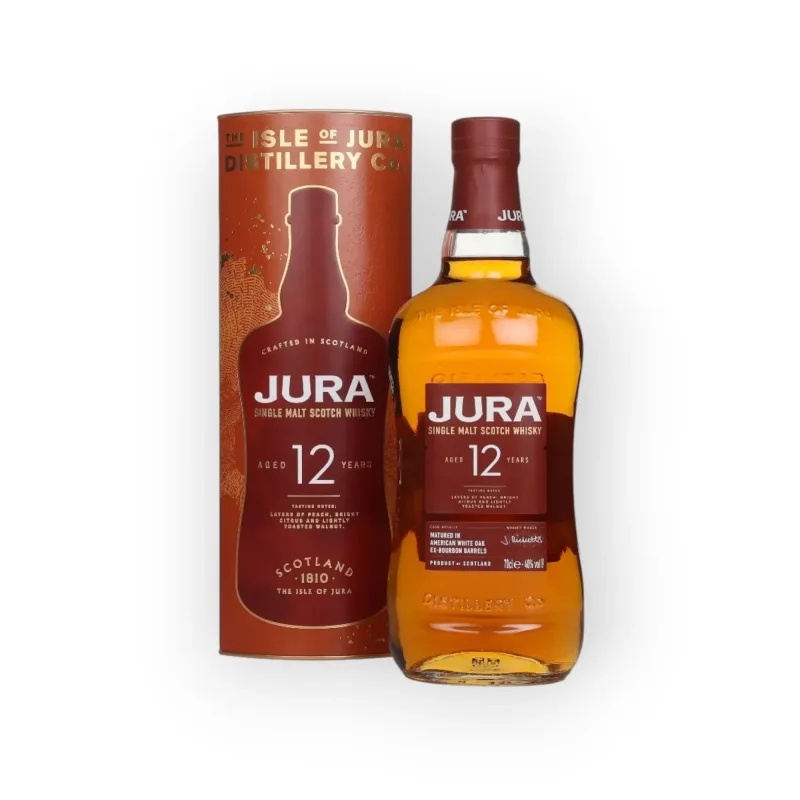
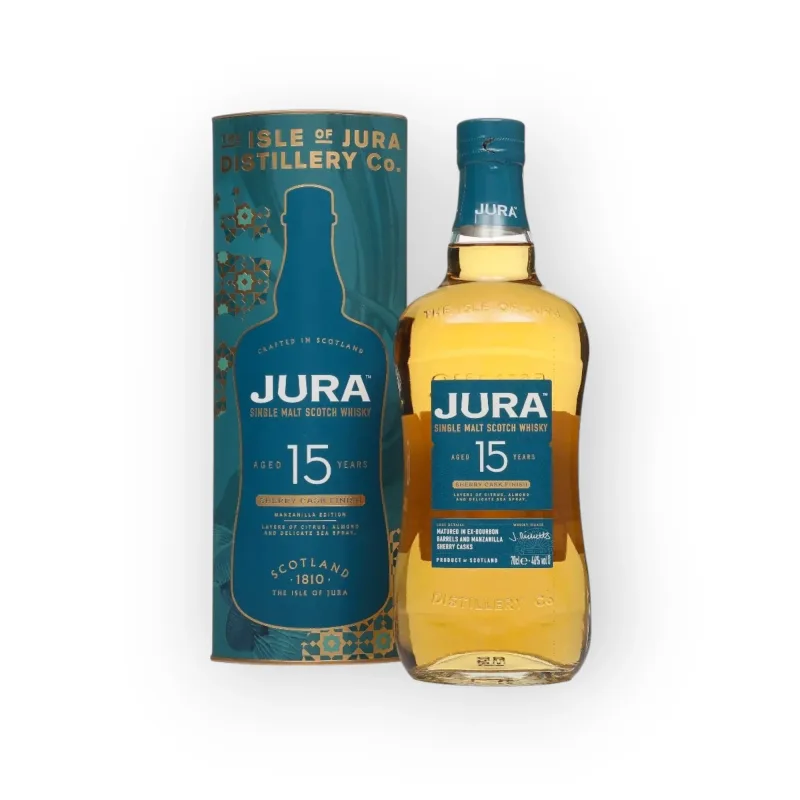
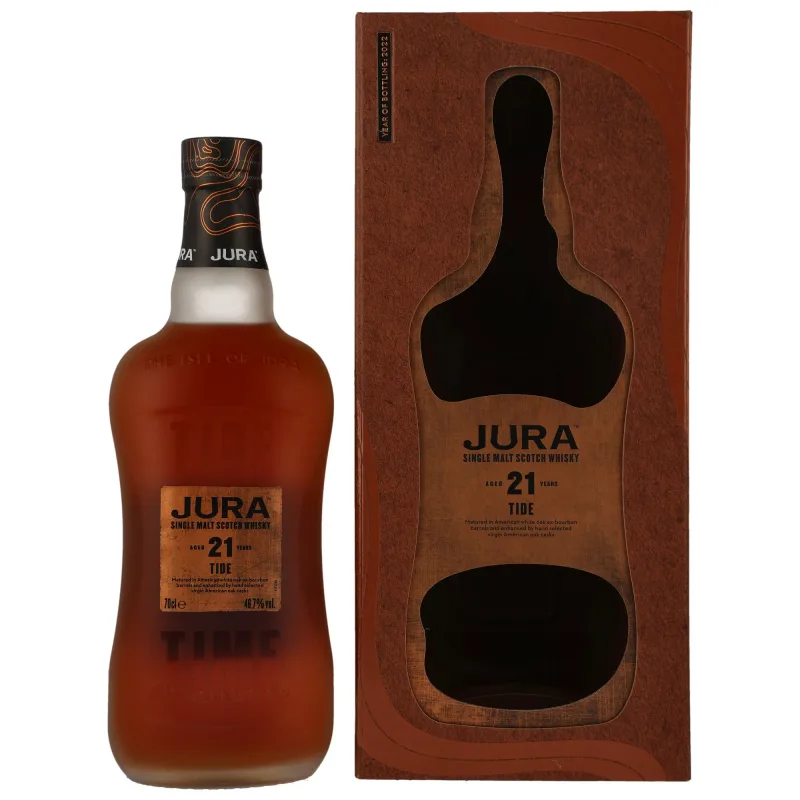
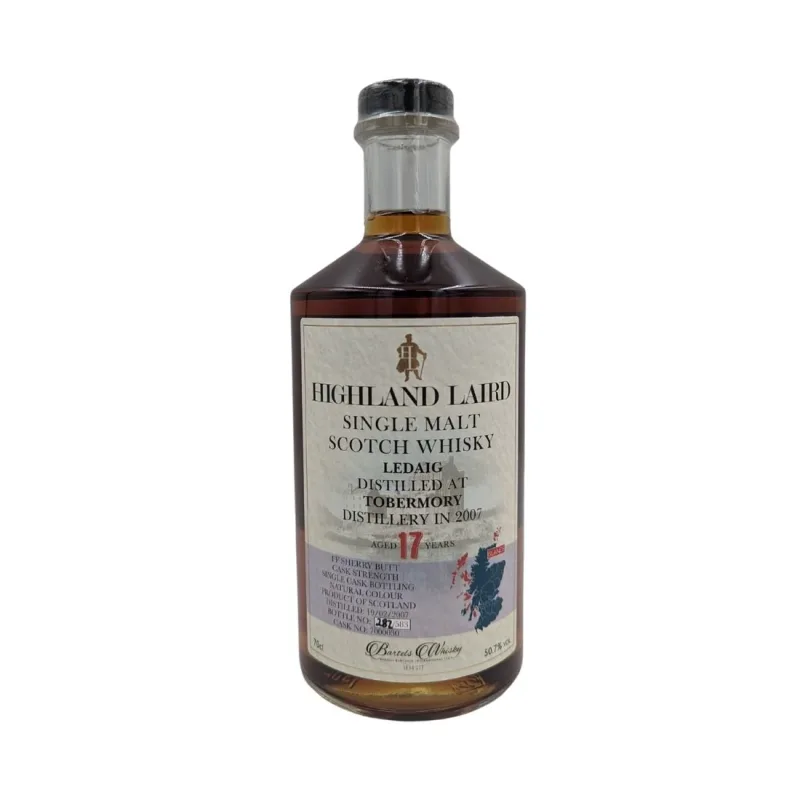
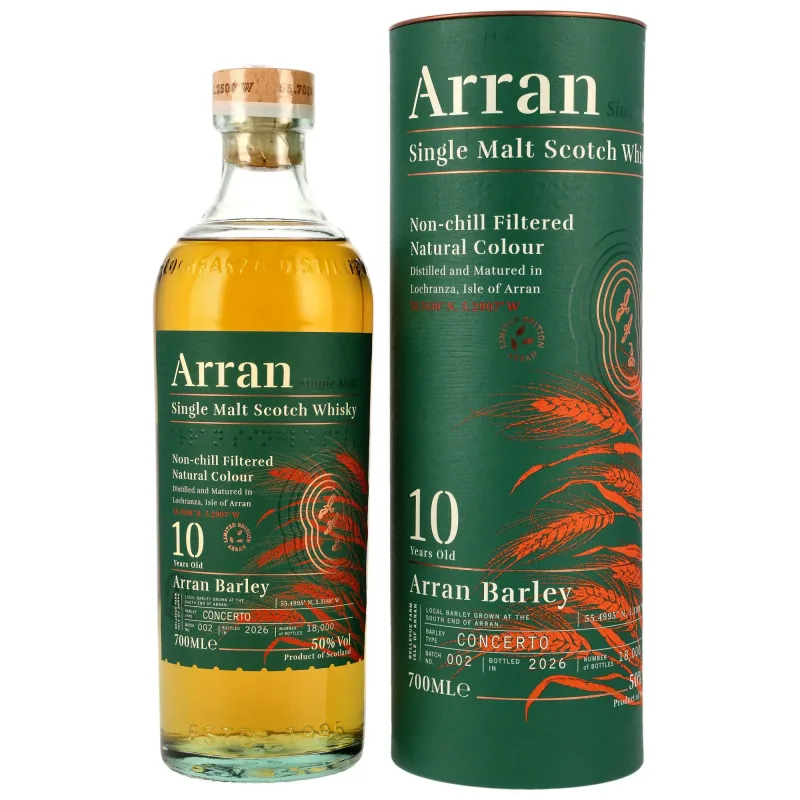
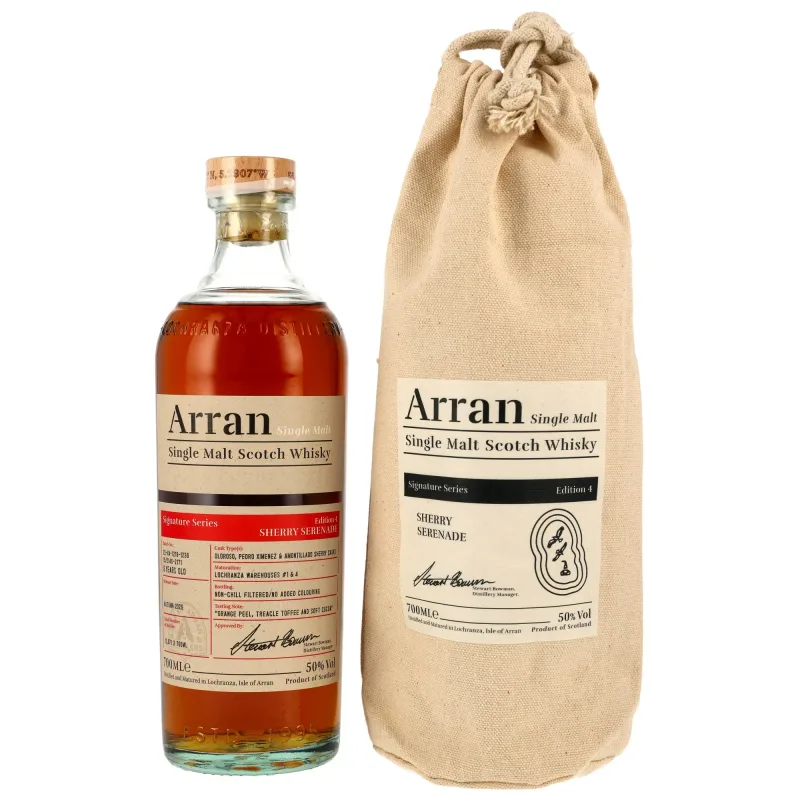
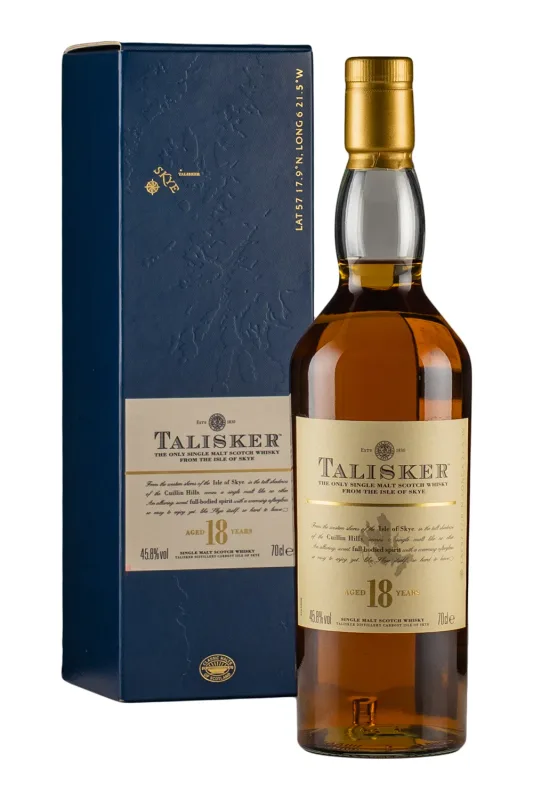
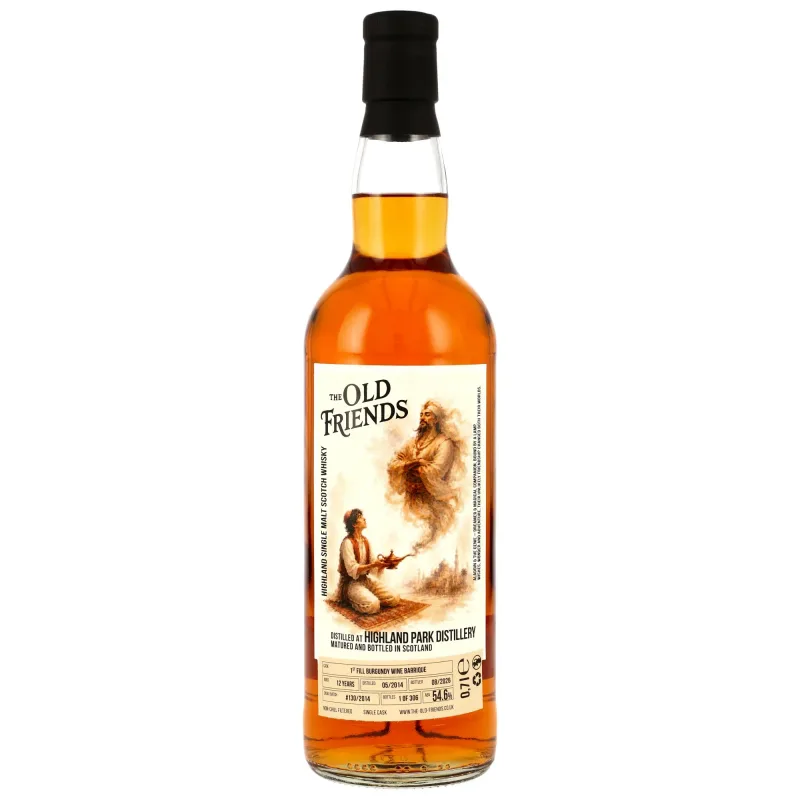
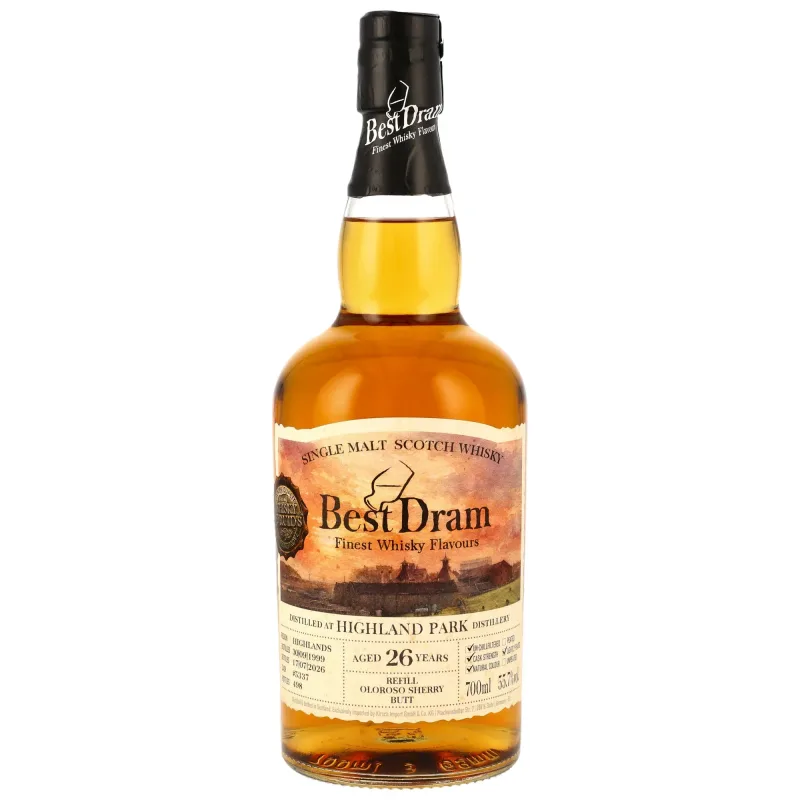
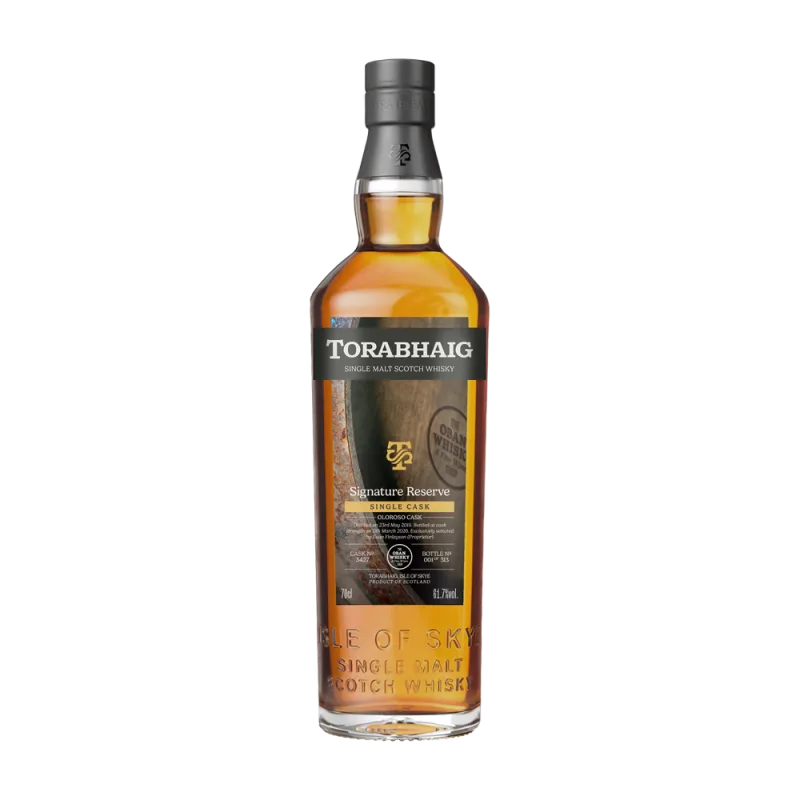
This section gathers single malts from Scotland's islands other than Islay. Highland Park and Arran's Lochranza distillery have the most bottles, followed by Talisker, Tobermory and its peated Ledaig, Isle of Jura and Scapa. Newer distilleries are well represented too: Torabhaig on Skye, Isle of Raasay, Isle of Harris and Arran's second distillery at Lagg. Orkney and the Isle of Skye also have their own sections.
The Islands are not a legal whisky region; under Scotch whisky law they belong to the Highland region. They are grouped because island distilleries share a coastal setting, but their whiskies differ widely. Talisker is peppery and smoky, Highland Park balances heather-peat smoke with sherry sweetness, Scapa is lightly peated, Jura is mostly unpeated, and Lochranza on Arran makes a fruity, unpeated malt. Tobermory on Mull makes both an unpeated Tobermory and a peated Ledaig.
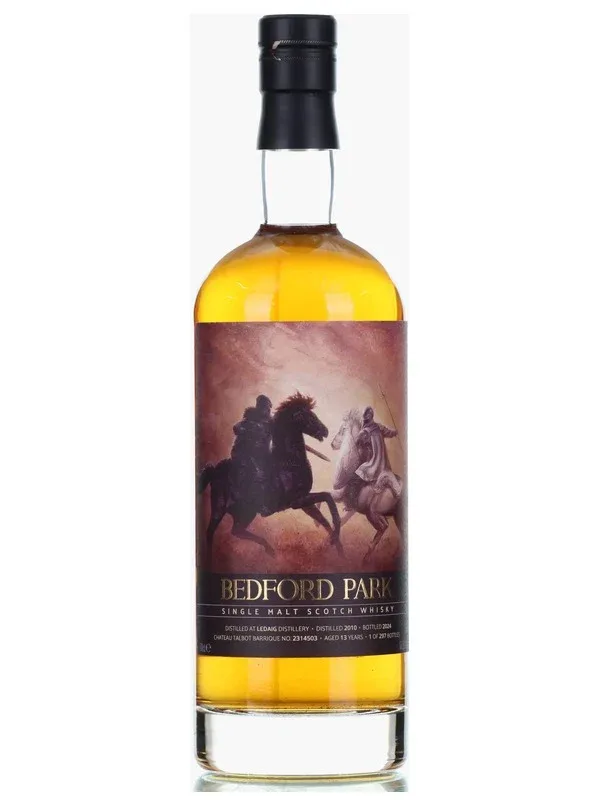
Arran's original distillery has been called Lochranza since Lagg opened, and that is the name used in our filters; its whisky is still sold as Arran. Ledaig is the peated spirit of Tobermory distillery, not a separate site. Young distilleries like Raasay and Harris release mostly NAS whisky and first-edition bottlings.
No. Scotch whisky law recognises five regions, and the islands other than Islay fall within the Highland region. The Islands are grouped as a style because the distilleries share a maritime location, but their whiskies range from unpeated and fruity to heavily smoked.
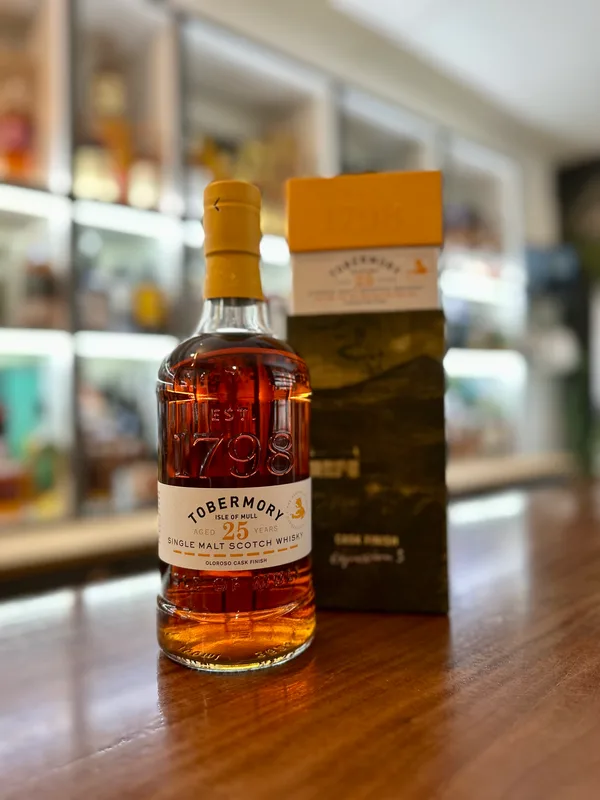
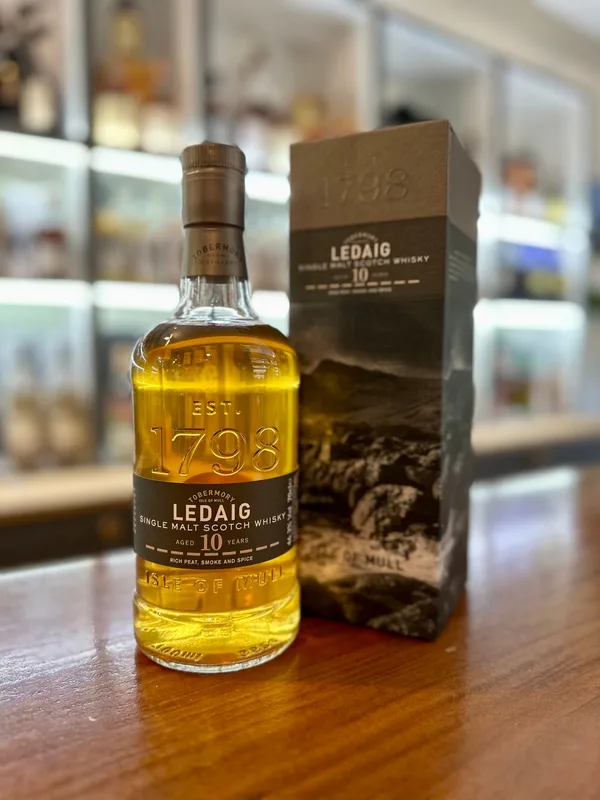
Ledaig and Tobermory are both made at Tobermory distillery on the Isle of Mull. Tobermory is the unpeated single malt, while Ledaig is made from heavily peated barley and is smoky. The distillery was itself once called Ledaig.
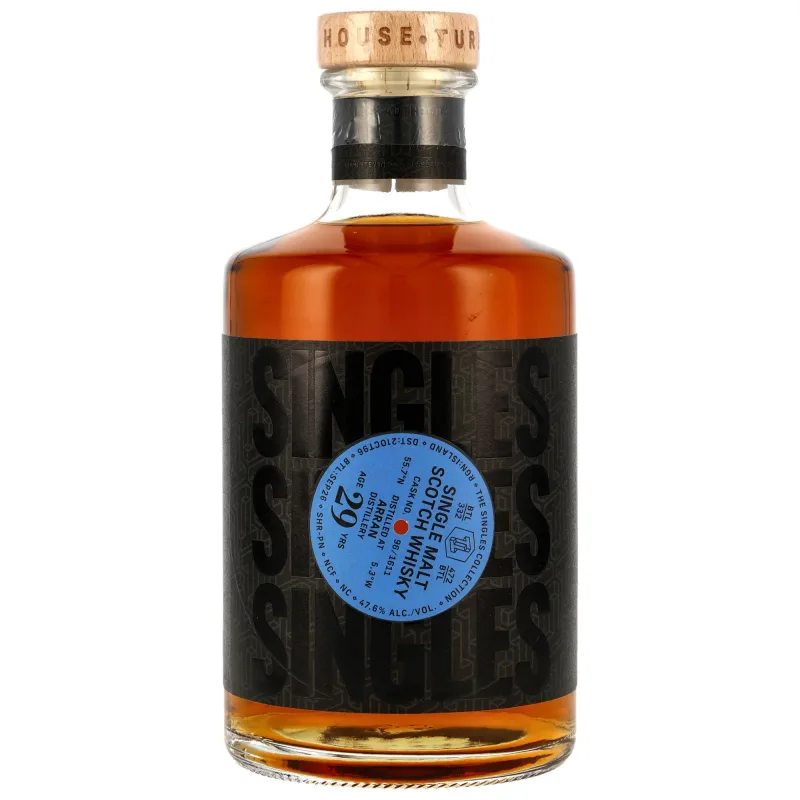
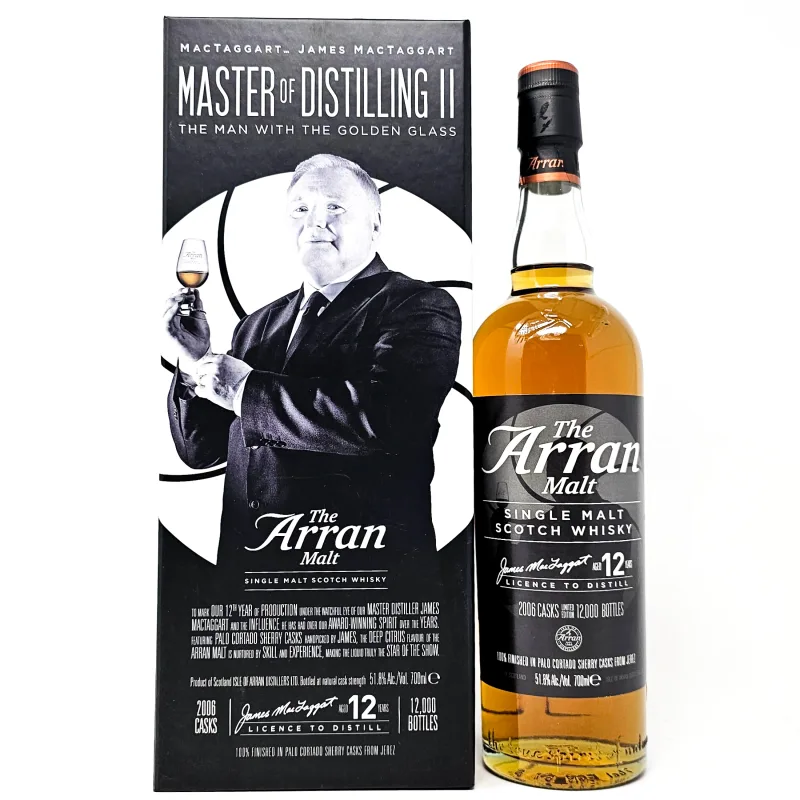
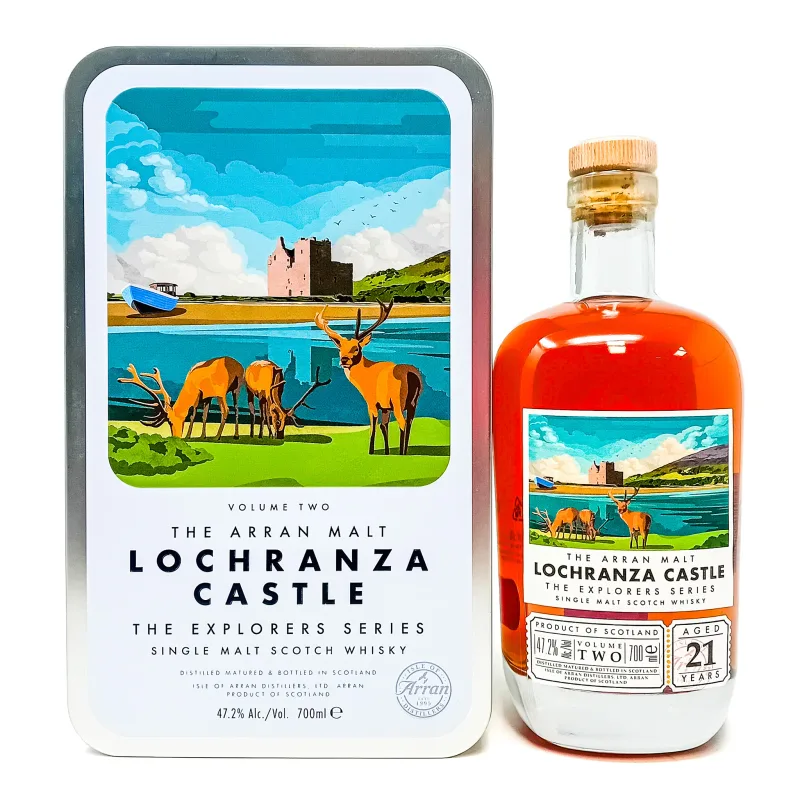
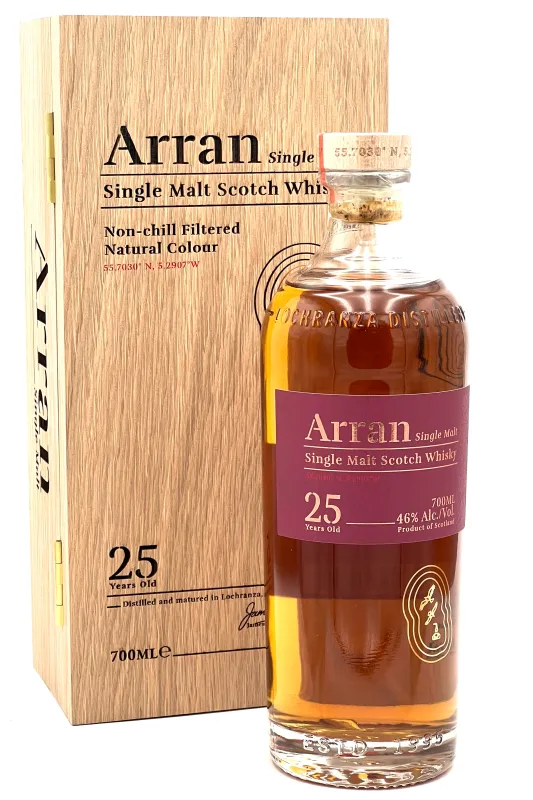
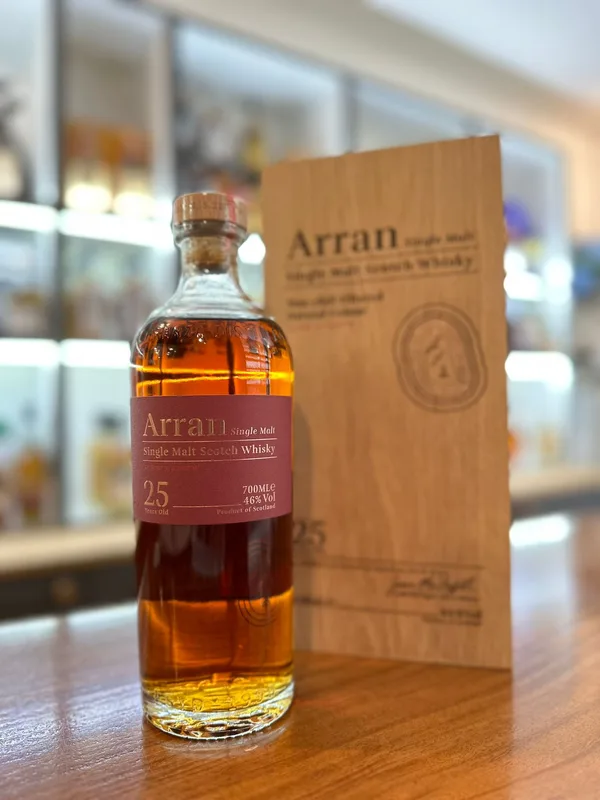
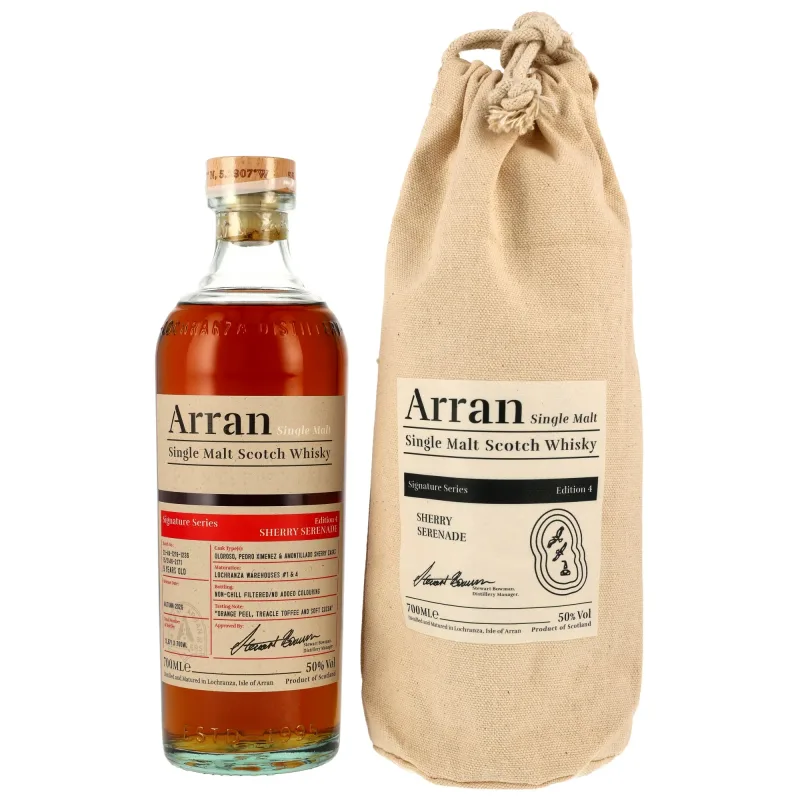
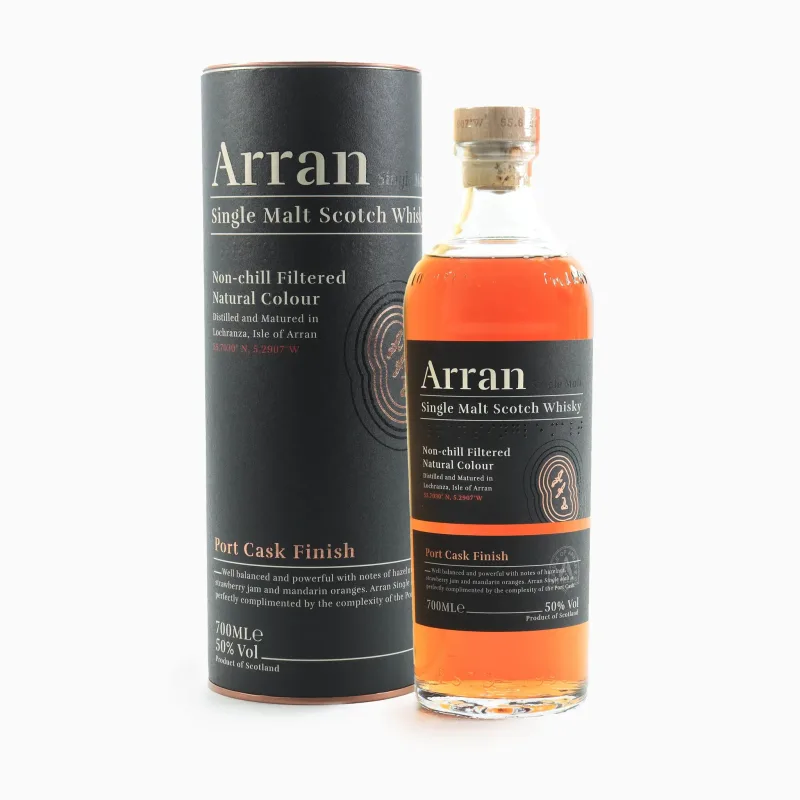
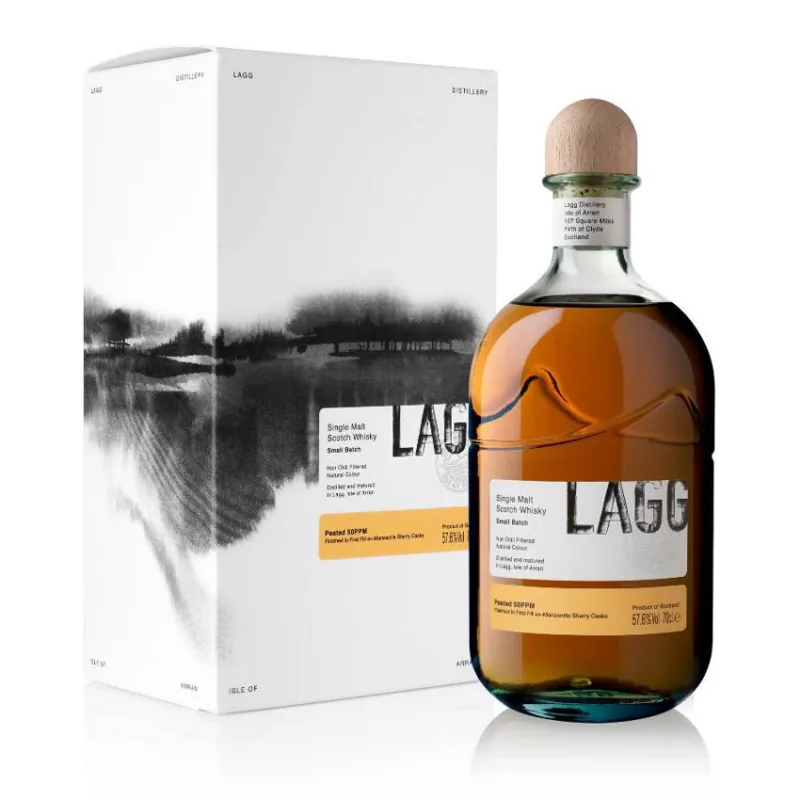
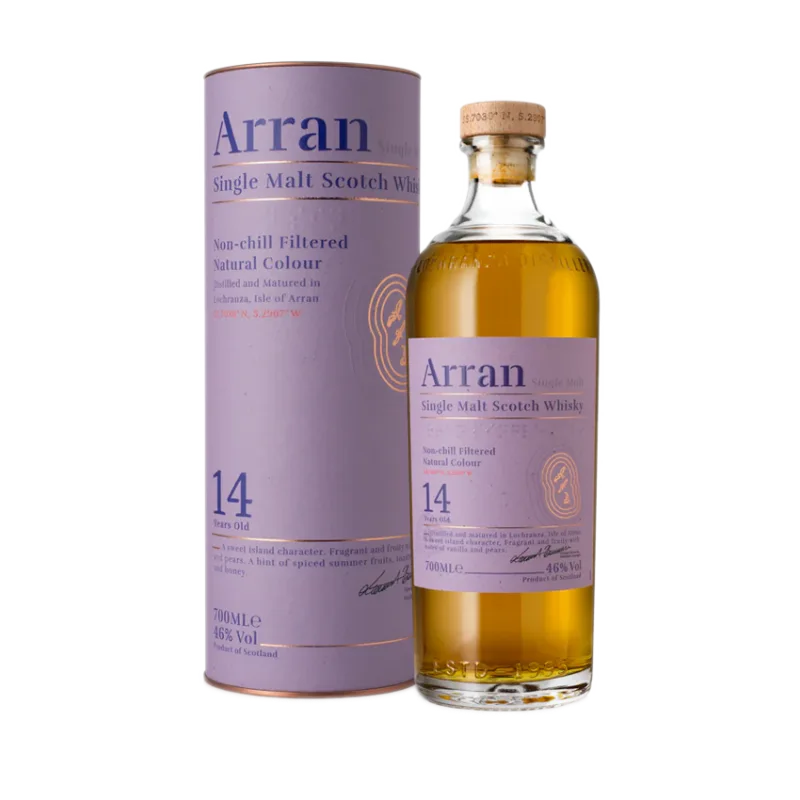
Arran single malt from Lochranza distillery is unpeated, fruity and creamy, with citrus, apple and vanilla, and often finished in wine or sherry casks. Lagg, Arran’s second distillery in the south of the island, makes peated whisky. Both are owned by Isle of Arran Distillers.
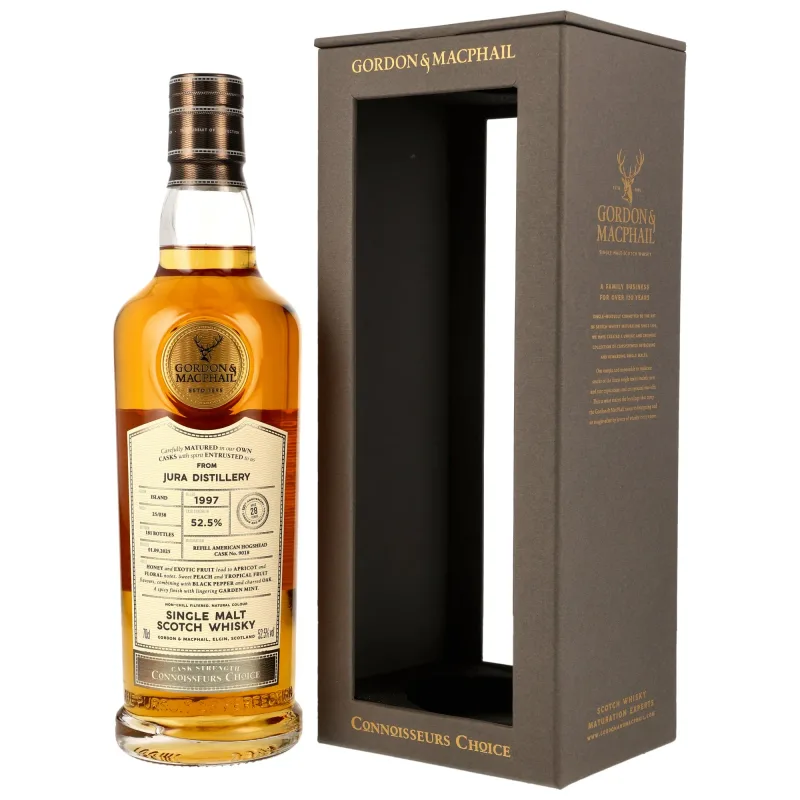
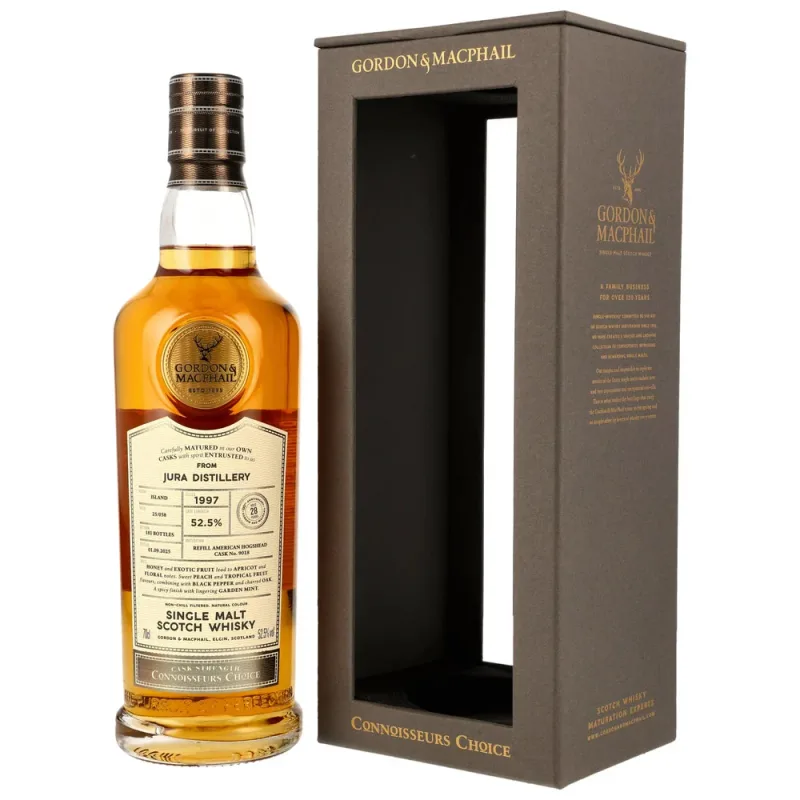
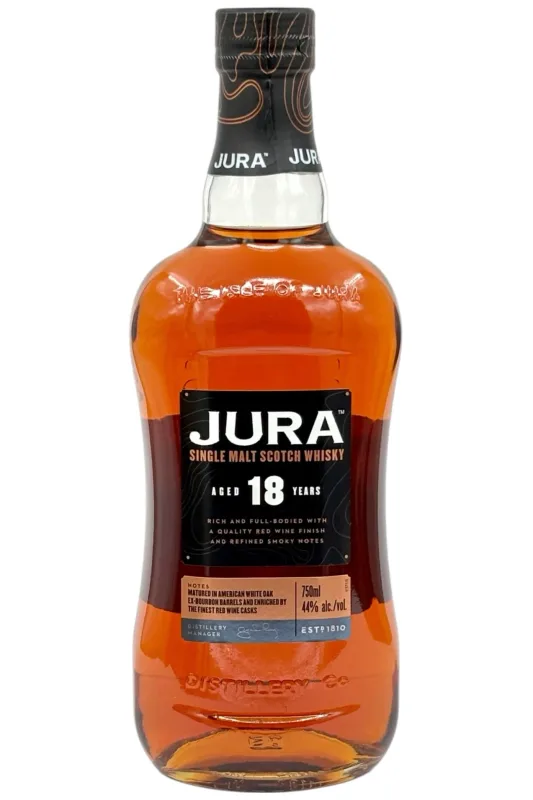
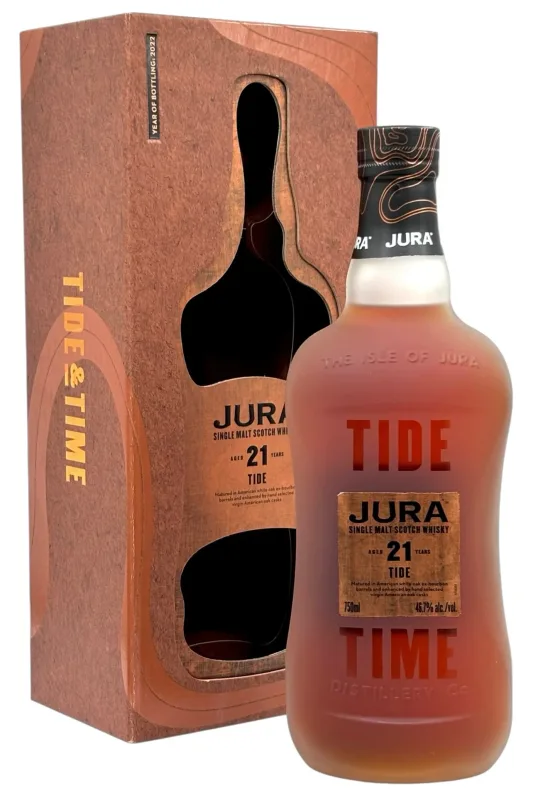
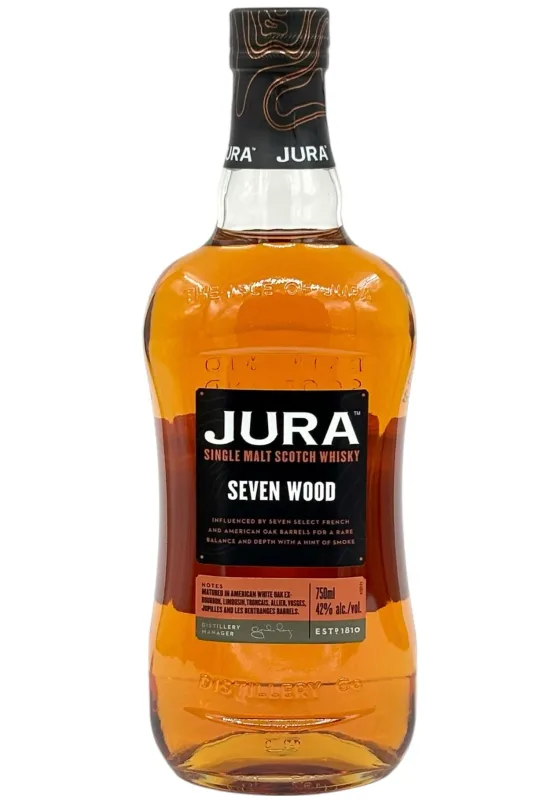
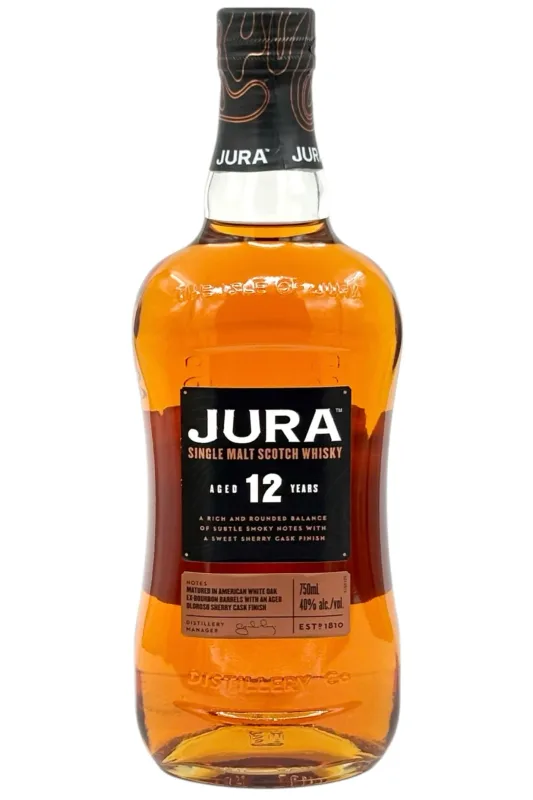
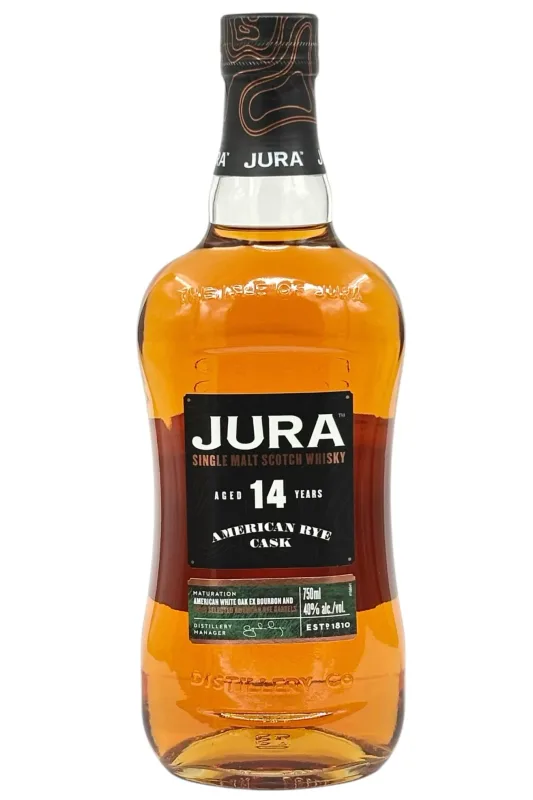
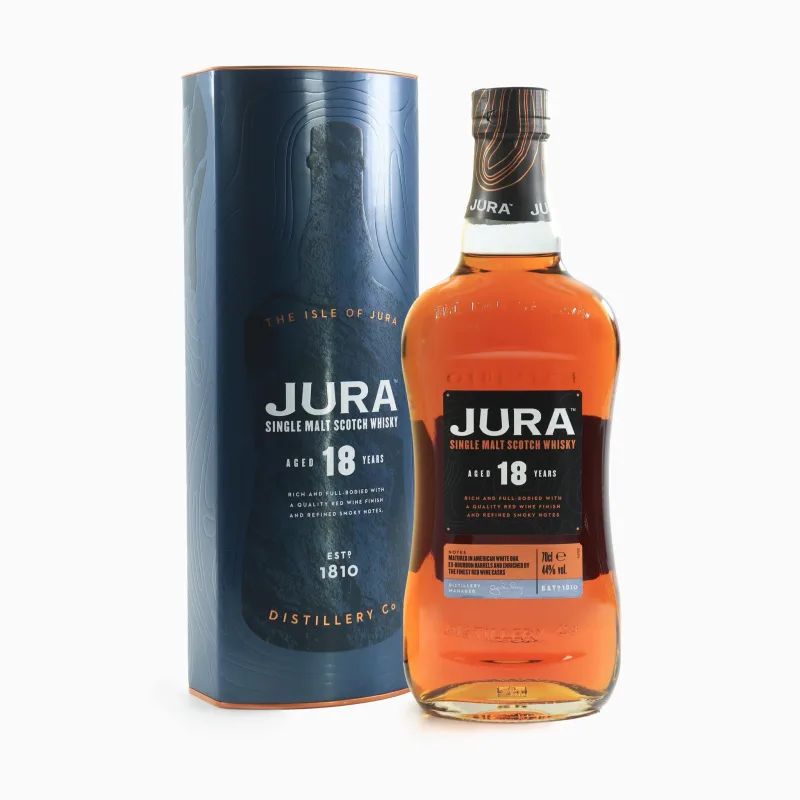
Most Isle of Jura single malt is unpeated or only lightly peated, with a sweet, malty style often finished in sherry or wine casks. Some releases use peated spirit and are noticeably smokier. The label or description says whether a bottling is peated.
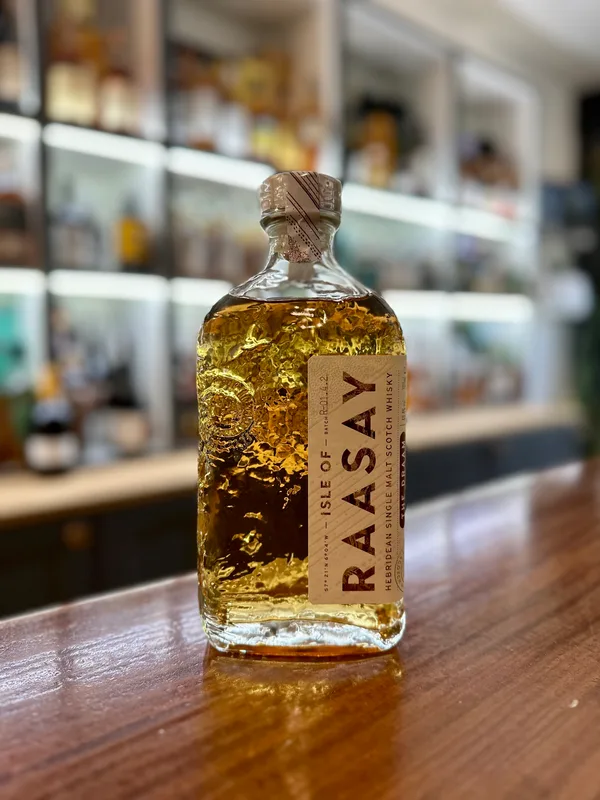
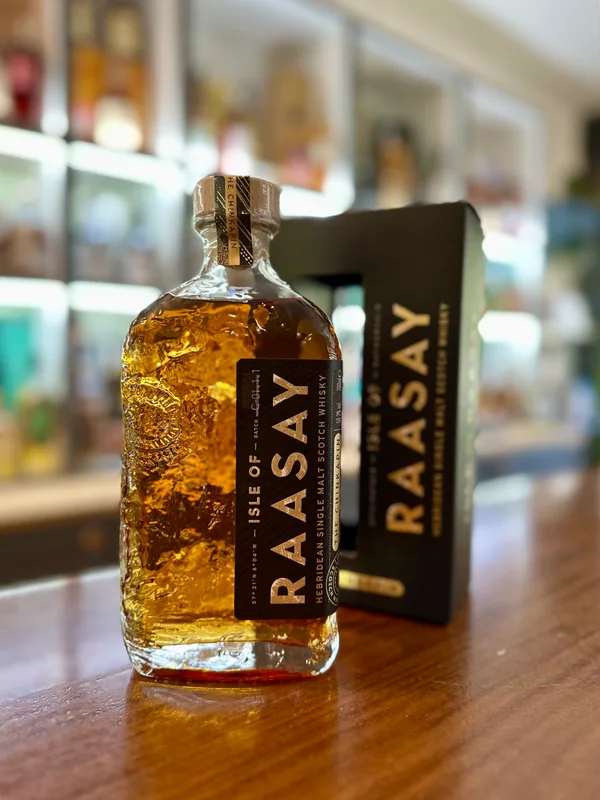
Isle of Raasay is a single malt from a distillery on the island of Raasay, between Skye and the mainland, which began distilling in 2017. Its whisky combines peated and unpeated spirit and is often matured in red wine casks. Most releases are young and carry no age statement.
About Glenbotal
Glenbotal is an online marketplace for rare, collectable and limited-edition whisky and other spirits. Bottles are listed by partner shops and private sellers, each described as it is, and delivered to the UK and many other countries. Looking for one bottle in particular? Ask us through Find my bottle.