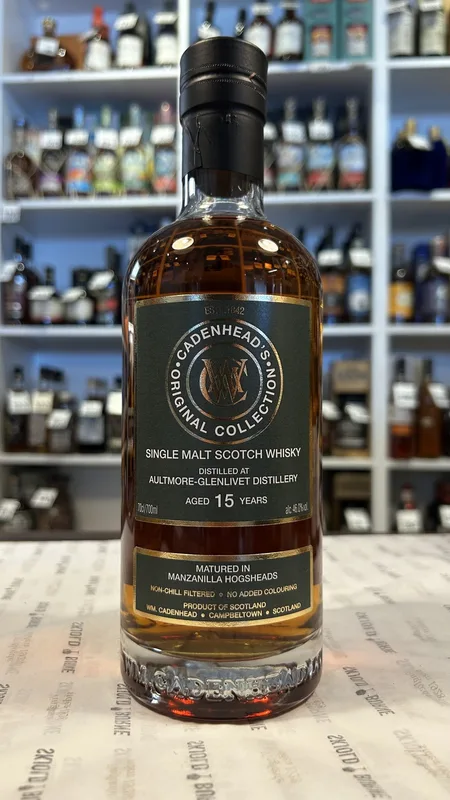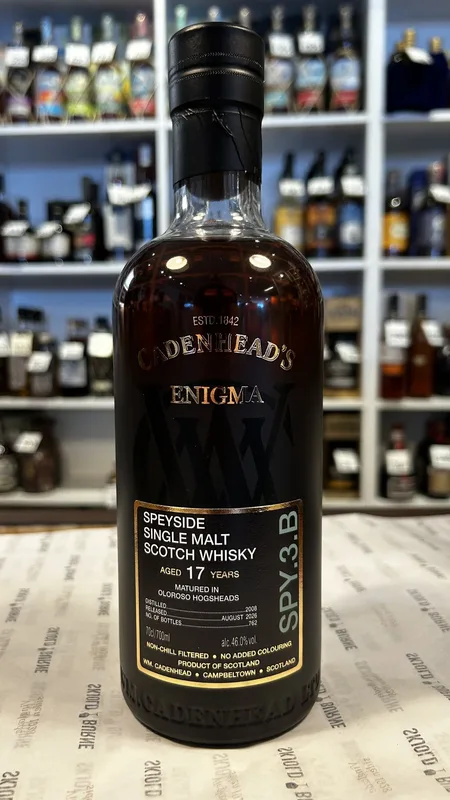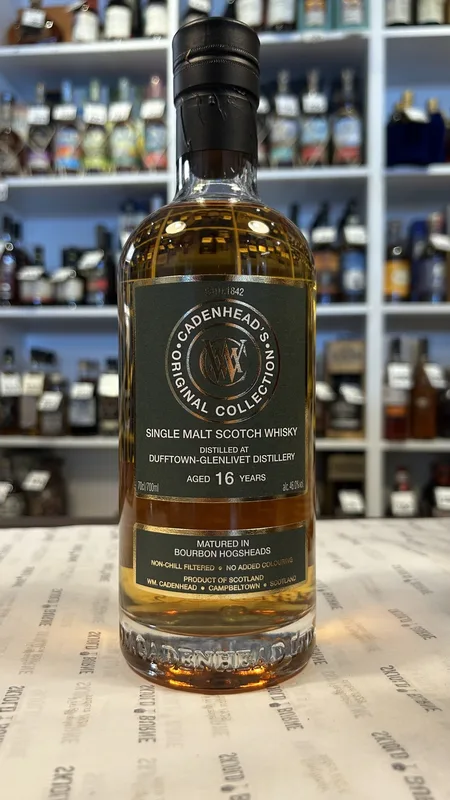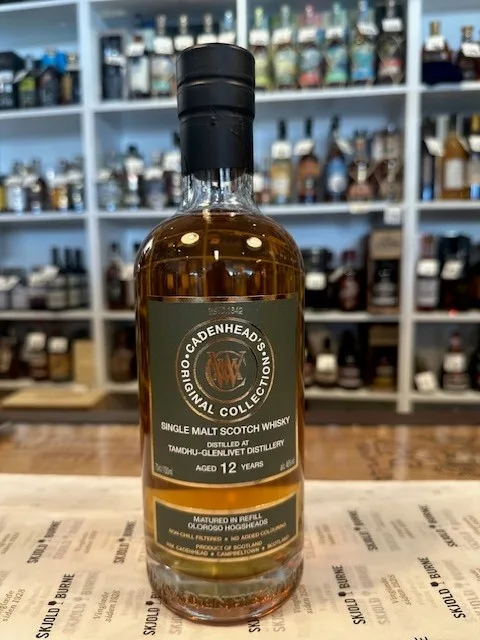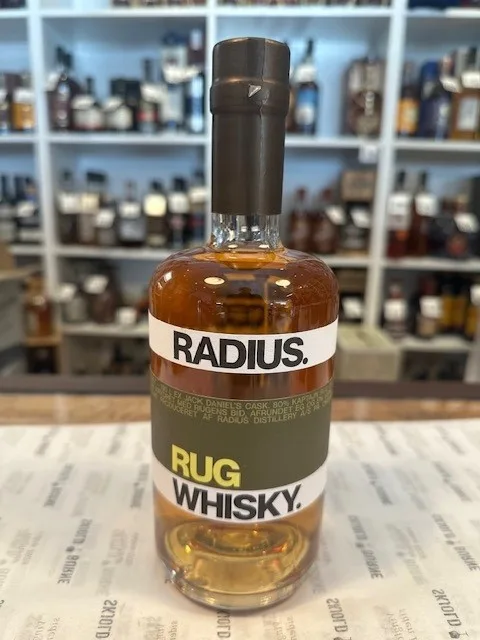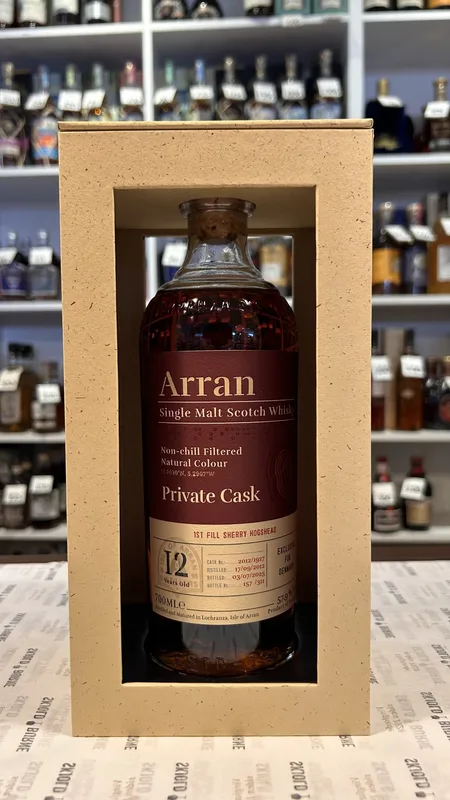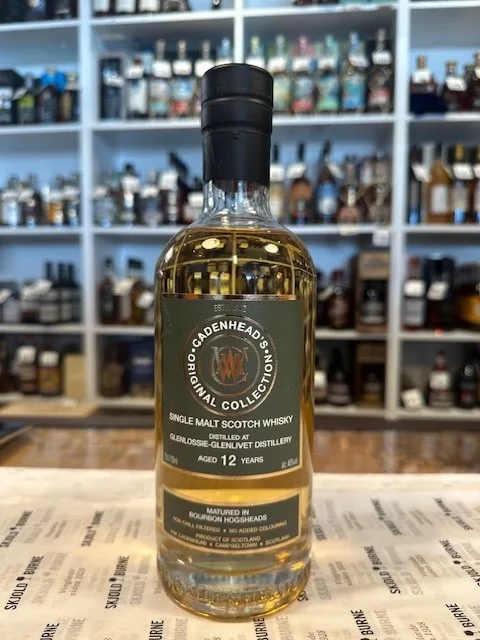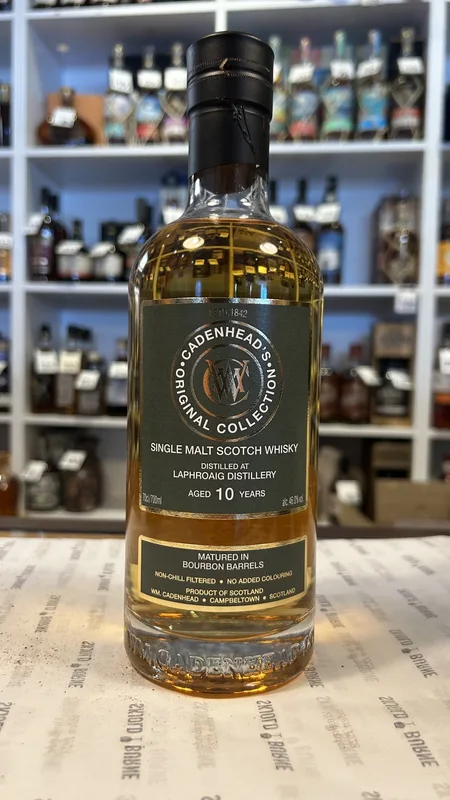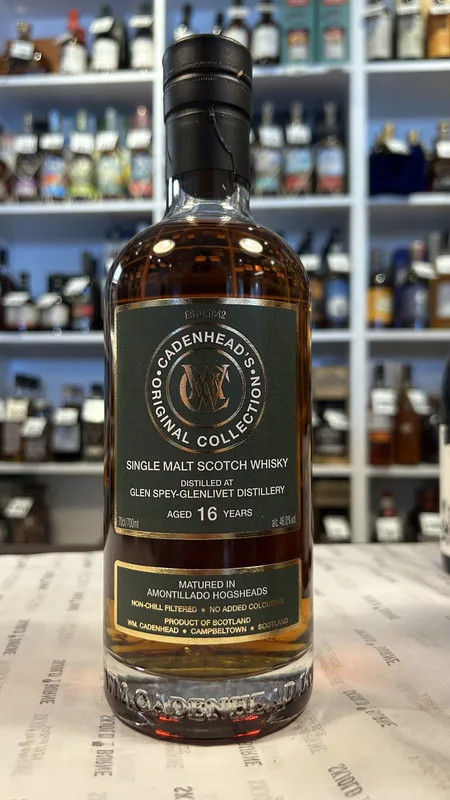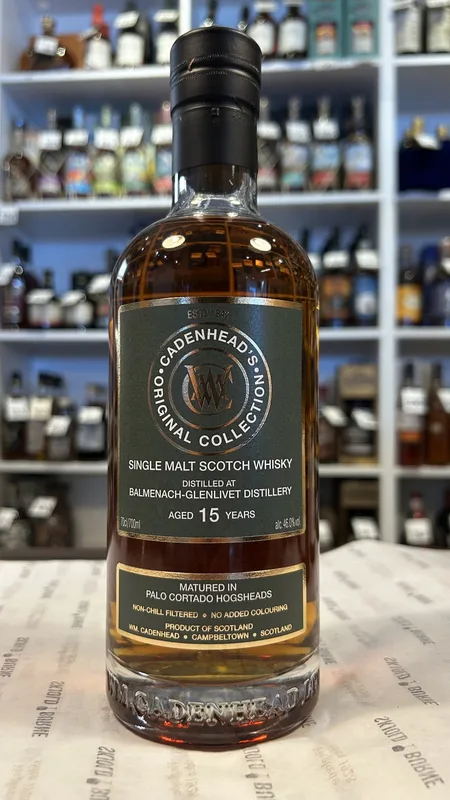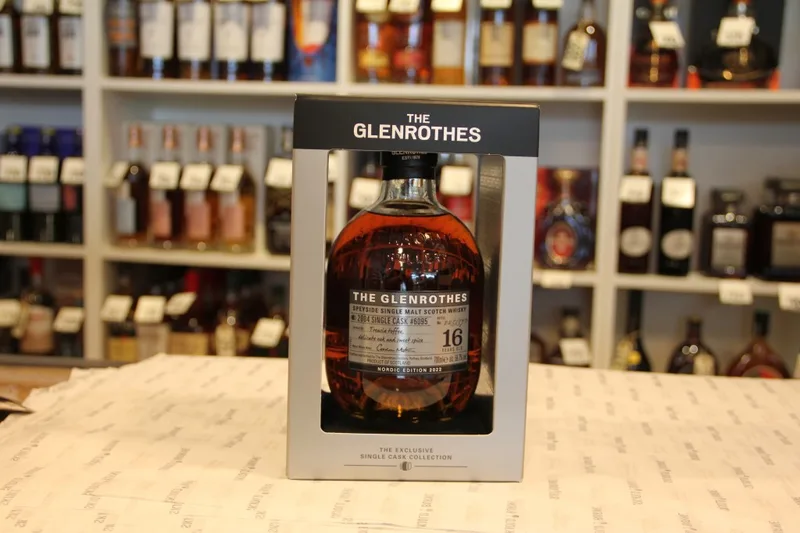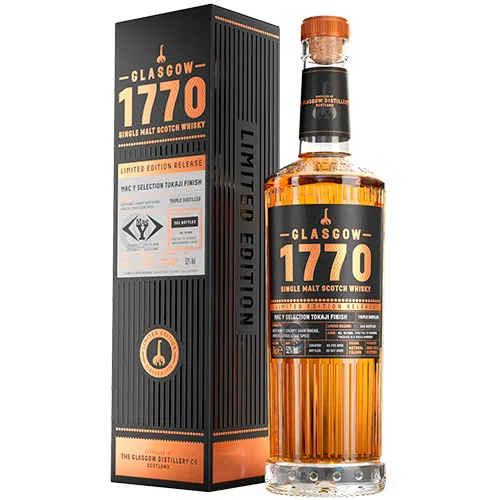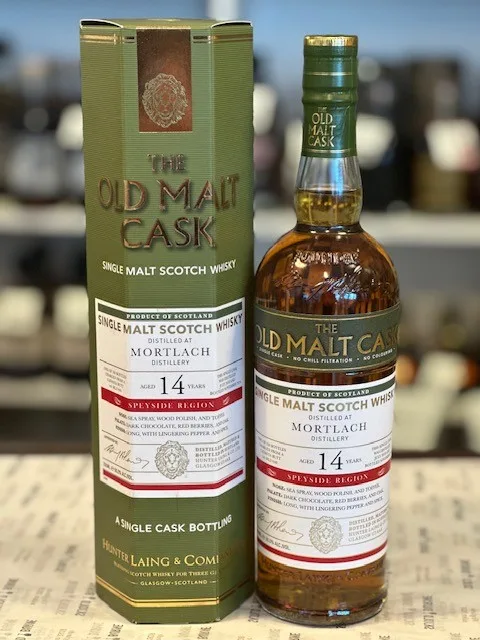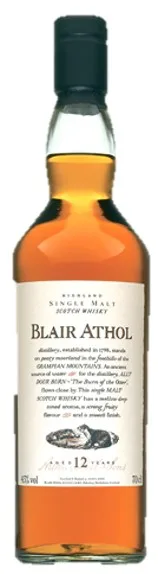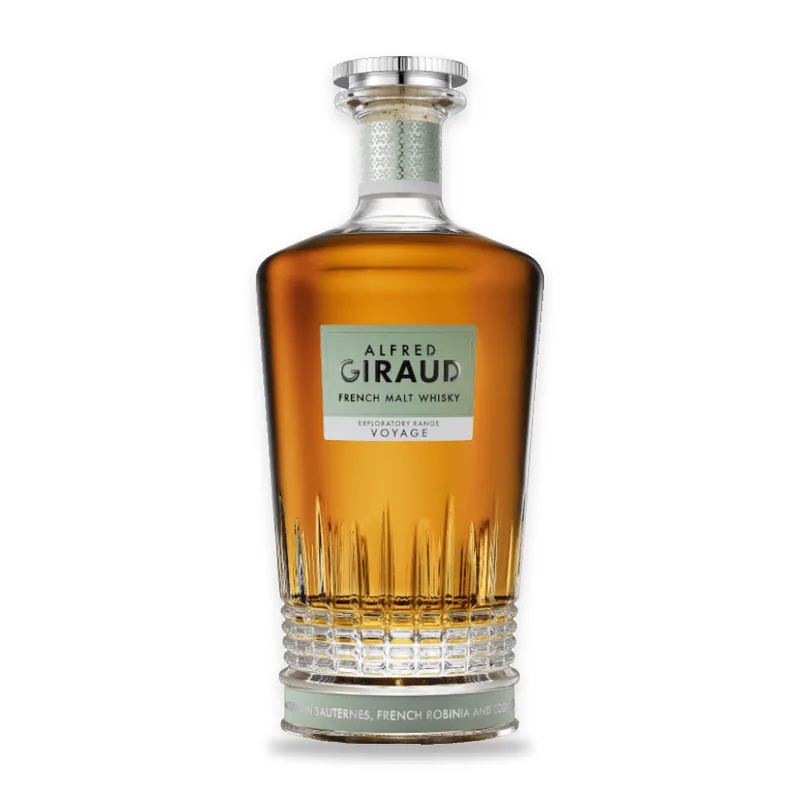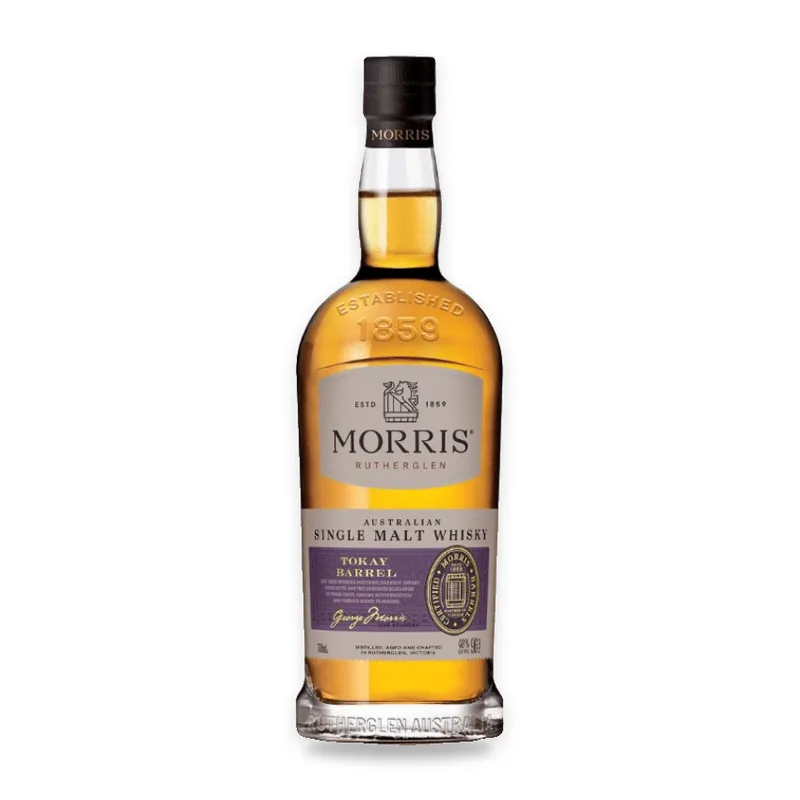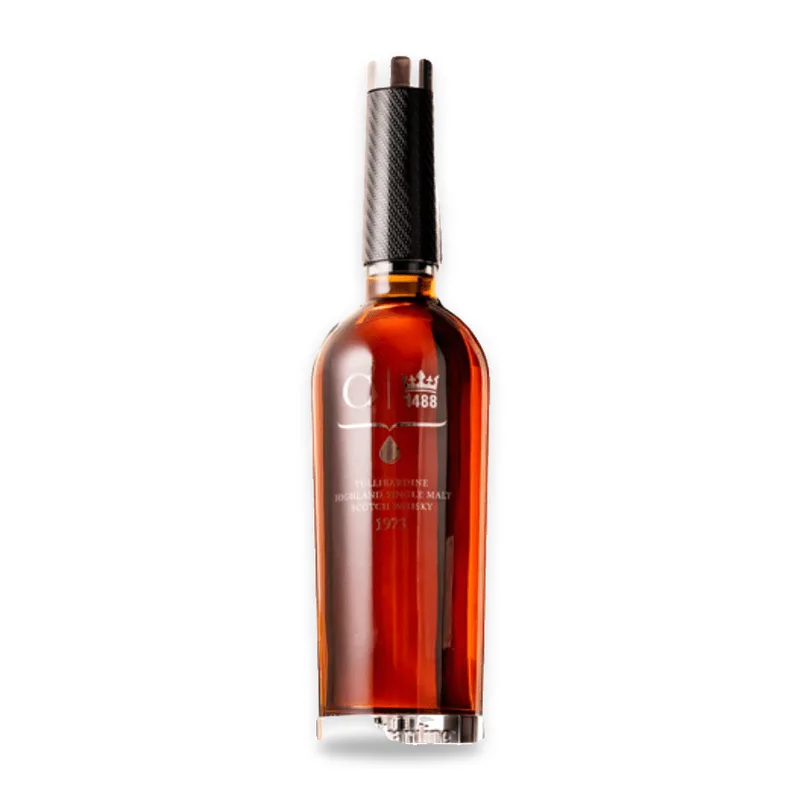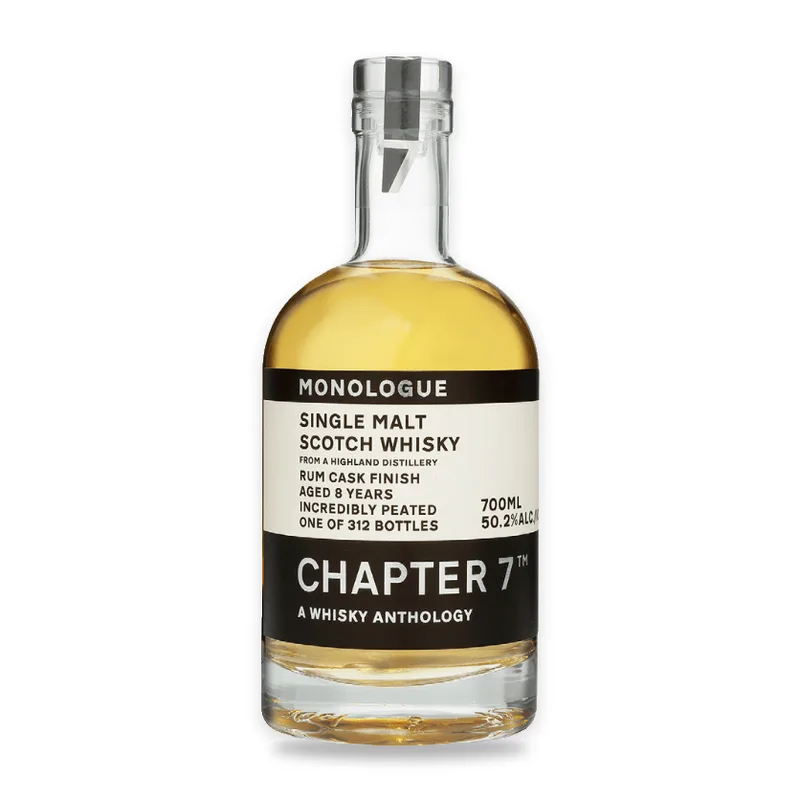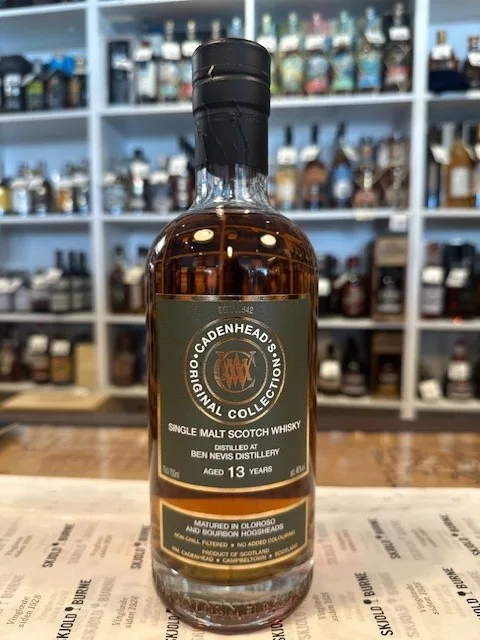
Ben Nevis – 13 Year Old 2012 Cadenhead's Original Collection
46%
US$169.00

Scotland
Rest of the world
28081 bottles
46%
US$169.00
59.8%
US$169.00
57.6%
US$189.00
50cl / 55%
US$149.00
46%
US$169.00
46%
US$299.00
46%
US$189.00
46%
US$149.00
50cl / 50.5%
US$129.00
US$249.00
46%
US$119.00
46%
US$139.00
46%
US$189.00
46%
US$99.00
50cl / 65.8%
US$129.00
70cl / 56.4%
US$249.00
42.7%
US$299.00
46%
US$169.00
58.7%
US$519.00
52%
US$169.00
50%
US$249.00
US$189.00
70cl / 54.3%
US$1,379.00
US$129.00
US$149.00
59.2%
US$249.00
70cl / 57.1%
US$129.00
US$129.00
49.8%
US$319.00
US$139.00
59.4%
US$149.00
70cl
US$209.00
US$69.00
US$259.00
US$139.00
70cl / 46%
US$5,439.00
US$149.00
US$3,459.00
US$359.00
US$259.00
US$109.00
US$69.00
US$259.00
US$89.00
US$139.00
US$189.00
US$139.00
US$409.00
This is the full whisky shelf: single malts, blends, bourbon, rye and pot still whiskey from more than twenty countries. Scotland makes up most of it, with Macallan, Springbank, Ardbeg, Bowmore, Bruichladdich, Highland Park and Glenmorangie among the most stocked distilleries. Japan, the USA and Ireland follow, then smaller ranges from England, Canada, Australia, Taiwan, India and the Nordic countries. You will find current releases next to bottlings from the 1970s and 1980s, closed distilleries and limited editions.
Scotland, Japan, Canada and most new producers write whisky. Ireland and most American distillers write whiskey. The spelling tells you nothing about quality; it follows local habit, and we file every bottle under the country where it was distilled.
Keep whisky upright, out of direct sunlight and at a steady room temperature. Unlike wine it does not mature in the bottle, and lying it down lets the spirit attack the cork. An opened bottle keeps well for a year or two; once it is less than half full the flavour fades faster.
No. Whisky only matures while it is in the cask. Once bottled, a 12 year old whisky stays a 12 year old whisky however long it sits on a shelf. Old bottlings can taste different from current ones because of changes in casks, barley and production at the time they were made, not because of time spent in glass.
Single malt whisky is made only from malted barley at one distillery, usually in pot stills. Blended whisky mixes malt whisky with grain whisky, often from many distilleries, to create a consistent house style. A blended malt combines single malts from several distilleries without any grain whisky.
Cask strength means the whisky was bottled at or close to the strength it came out of the cask, without being diluted to the usual 40-46% ABV. These bottlings are often 50-60% ABV or higher. Many drinkers add a few drops of water to open up the aroma.
NAS stands for no age statement. The producer has chosen not to state the age of the youngest whisky in the bottle. NAS whiskies can contain young and very old whisky together, so the absence of an age says nothing on its own about quality.
Store whisky upright, away from sunlight and heat, at a steady room temperature. Lying a bottle down lets the high-strength spirit degrade the cork over time. An unopened bottle keeps its character for decades if the seal is sound.
Yes. Glenbotal ships worldwide, and UK orders over £99 have free delivery. The delivery cost for your address is shown at checkout before you pay.
About Glenbotal
Glenbotal is an online marketplace for rare, collectable and limited-edition whisky and other spirits. Bottles are listed by partner shops and private sellers, each described as it is, and delivered to the UK and many other countries. Looking for one bottle in particular? Ask us through Find my bottle.