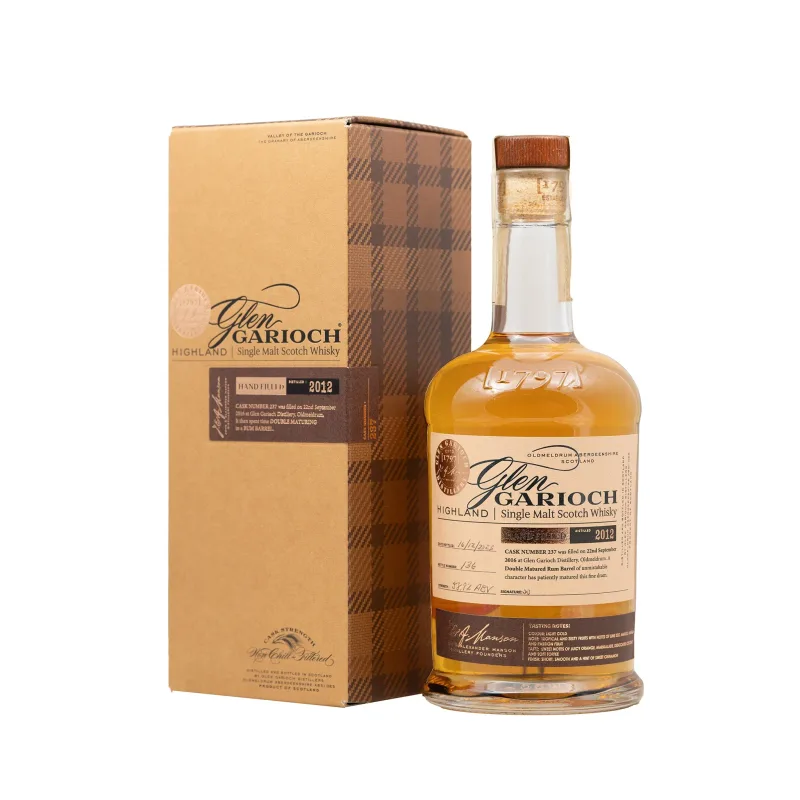
Glen Garioch – 2012 Rum Cask Single Cask #237
58.9%
US$309.00

Scotland
Rest of the world
18225 bottles
58.9%
US$309.00
61%
US$219.00
64.9%
US$479.00
57.4%
US$259.00
58.5%
US$189.00
46.5%
US$339.00
58.1%
US$359.00
44.5%
US$99.00
48%
US$229.00
48%
US$259.00
70cl / 55.2%
US$229.00
47.9%
US$319.00
58.3%
US$109.00
40%
US$159.00
70cl / 57.8%
US$119.00
62.2%
US$159.00
52.8%
US$869.00
59.8%
US$229.00
45.1%
US$89.00
50%
US$99.00
58.5%
US$539.00
48%
US$239.00
46%
US$79.00
48%
US$79.00
70cl / 48%
US$99.00
48%
US$79.00
55.9%
US$279.00
61.3%
US$179.00
58.8%
US$259.00
48%
US$269.00
56.7%
US$109.00
57.3%
US$199.00
52.6%
US$109.00
66.3%
US$129.00
59.7%
US$229.00
45.7%
US$109.00
40%
US$69.00
61.9%
US$159.00
40%
US$99.00
48.9%
US$319.00
58.1%
US$229.00
75cl
US$149.00
US$229.00
US$549.00
75cl / 43%
US$89.00
1.5L / 40%
US$39.00
2L / 40%
US$189.00
1L
US$89.00
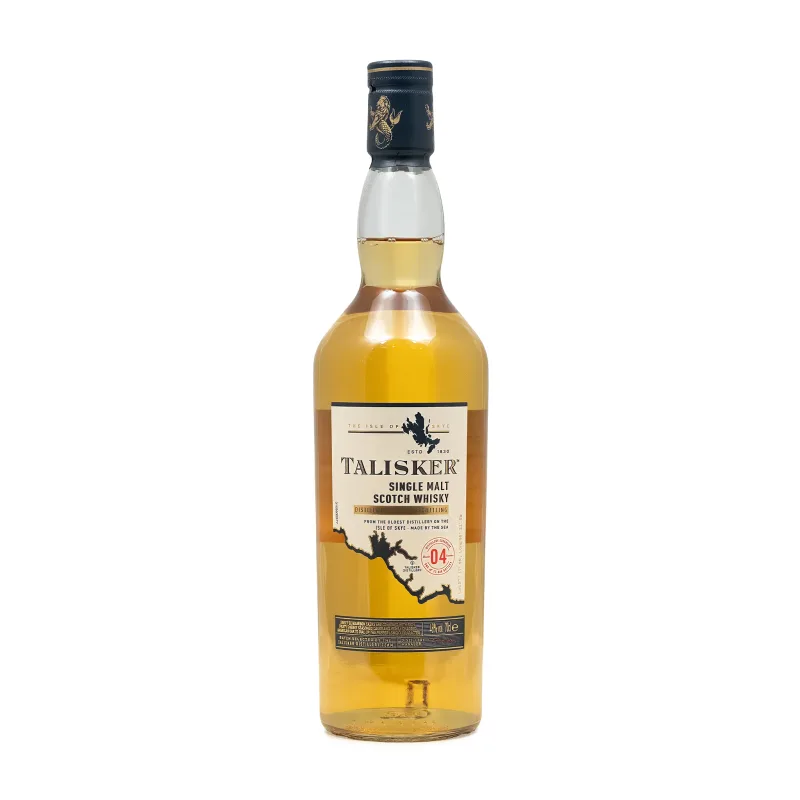
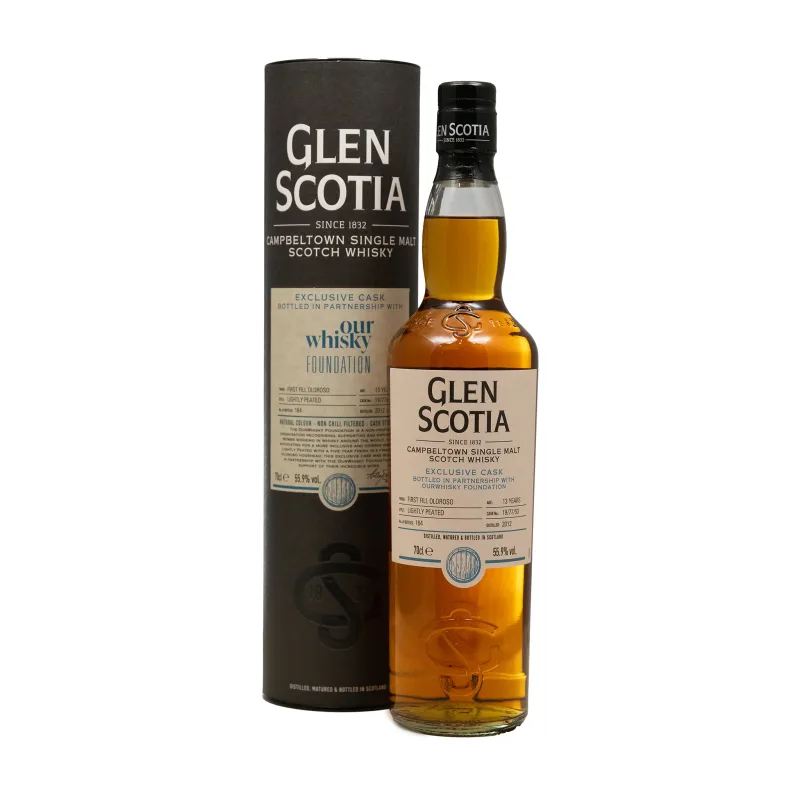
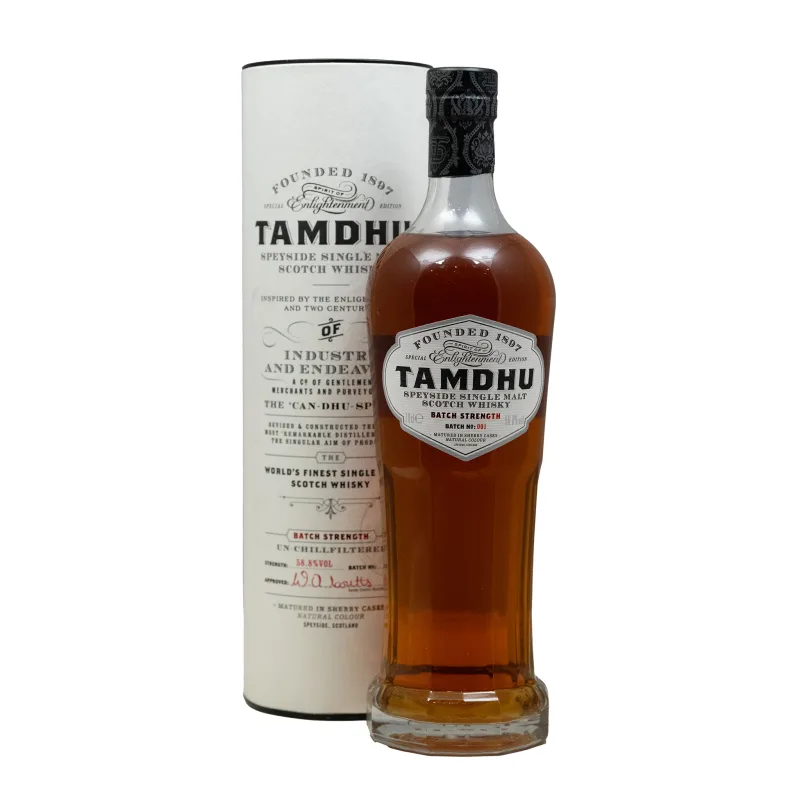
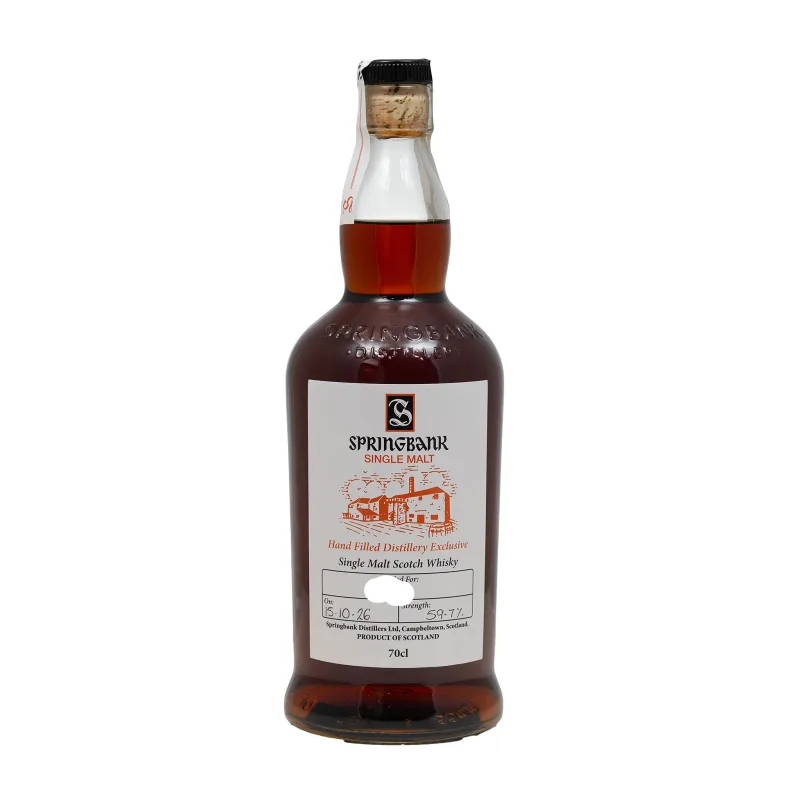
Scotland is the largest part of the shop, and the range covers every whisky region. Speyside is the biggest section, led by Macallan, Glenfiddich, Glenallachie, Glenfarclas and Balvenie. Islay brings Ardbeg, Bowmore, Laphroaig and Lagavulin; Campbeltown is mostly Springbank and Glen Scotia; the Highlands and Islands add Glenmorangie, Glendronach, Dalmore, Highland Park and Talisker. Blends such as Johnnie Walker sit alongside closed distilleries like Port Ellen, Brora and St Magdalene.
Under the Scotch Whisky Regulations 2009, Scotch must be distilled and matured in Scotland, in oak casks, for at least three years, and bottled at no less than 40% ABV. Only water and plain caramel colouring may be added. The law names five protected regions: Highland, Lowland, Speyside, Campbeltown and Islay. The Islands are usually treated as their own style but legally fall within the Highland region.
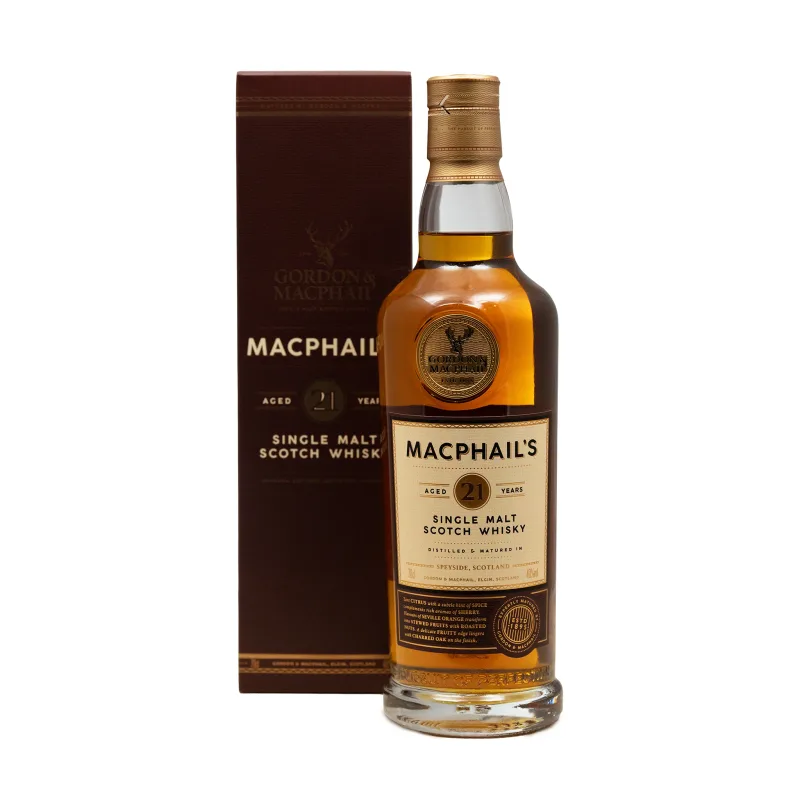
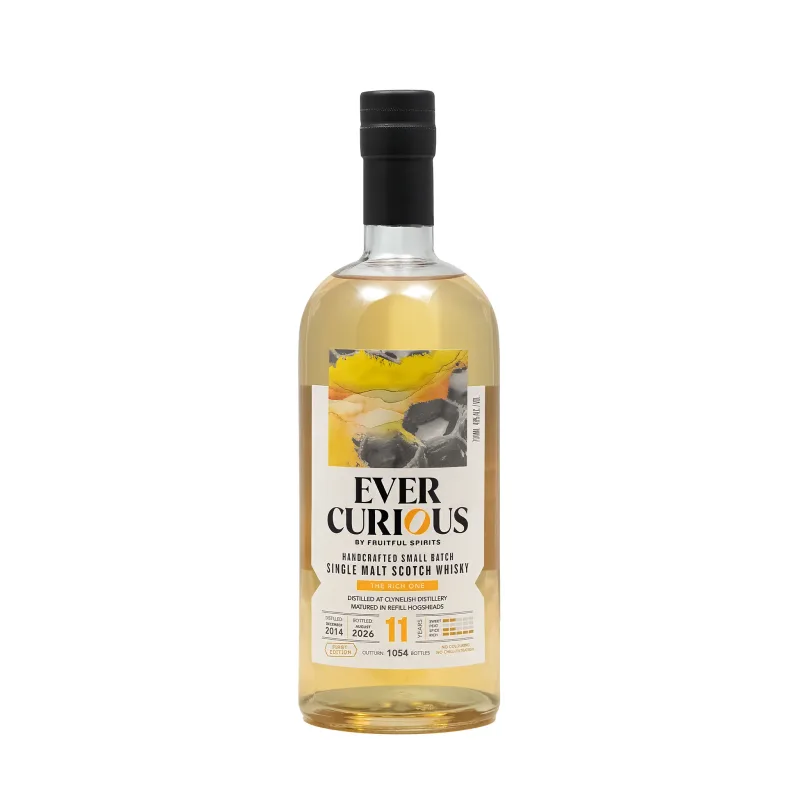
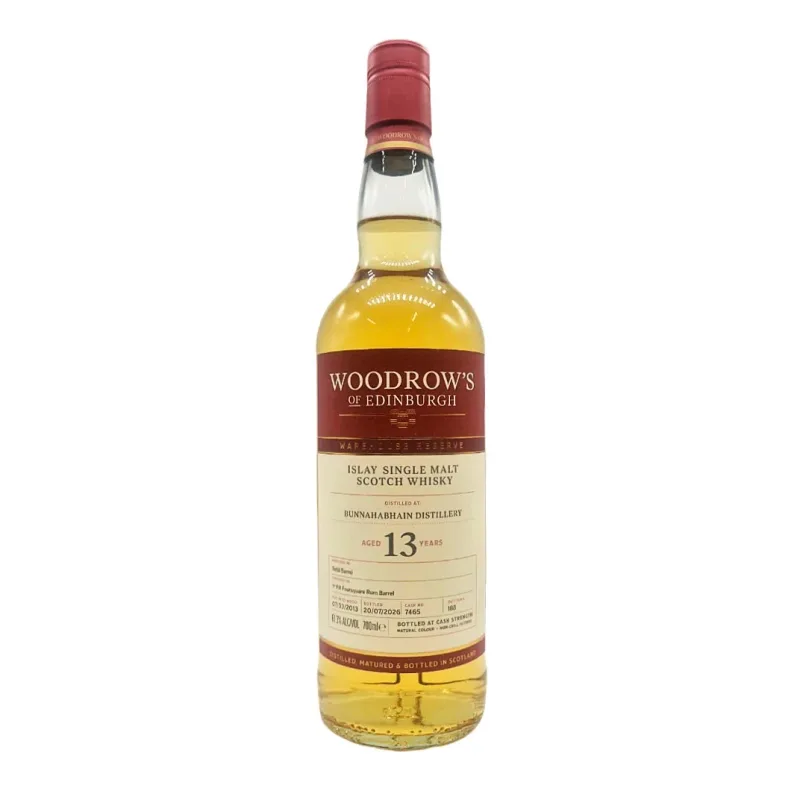
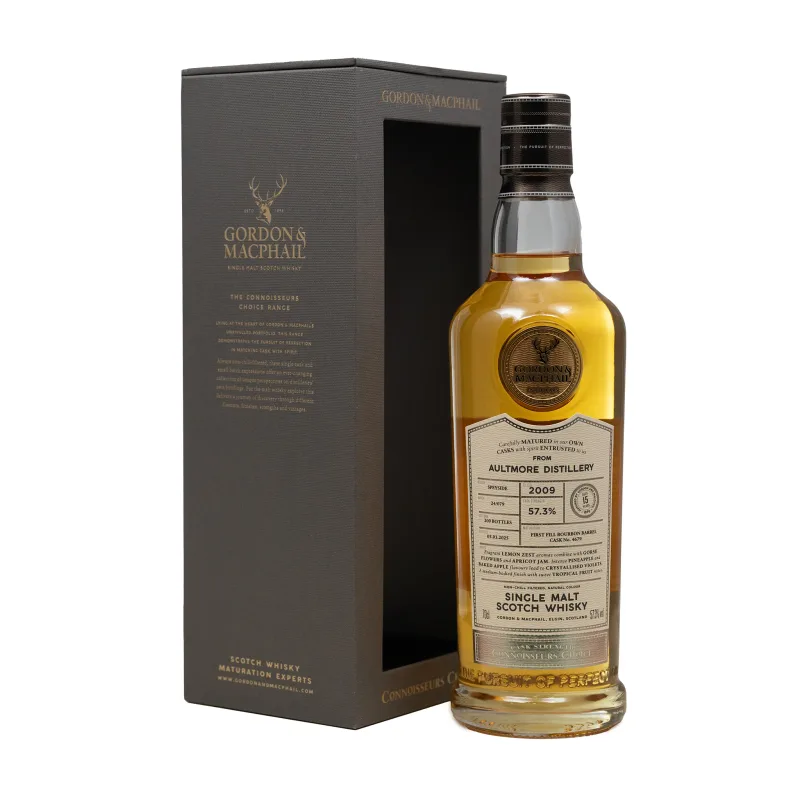
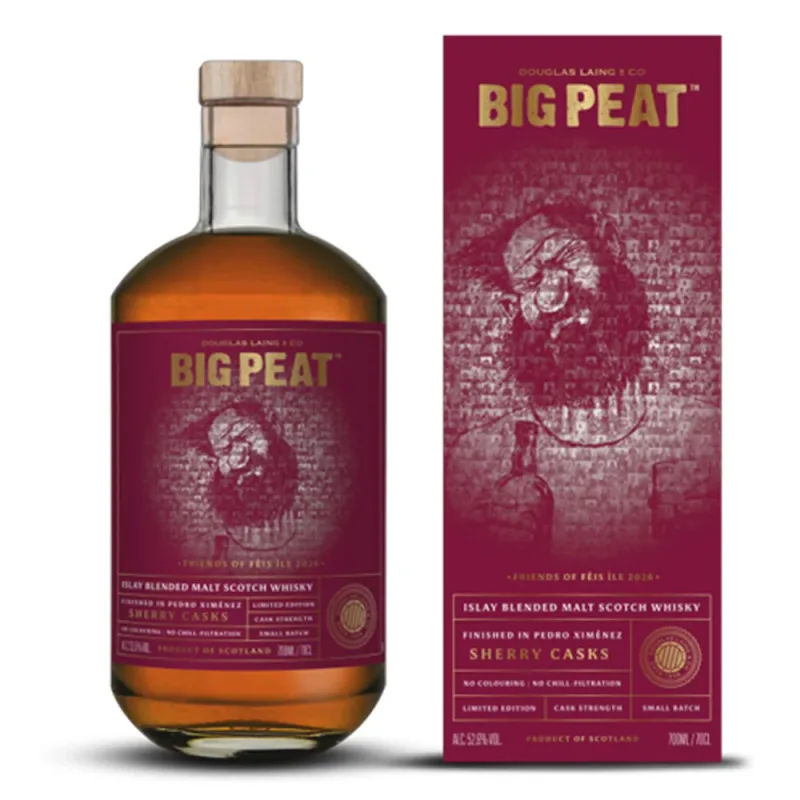
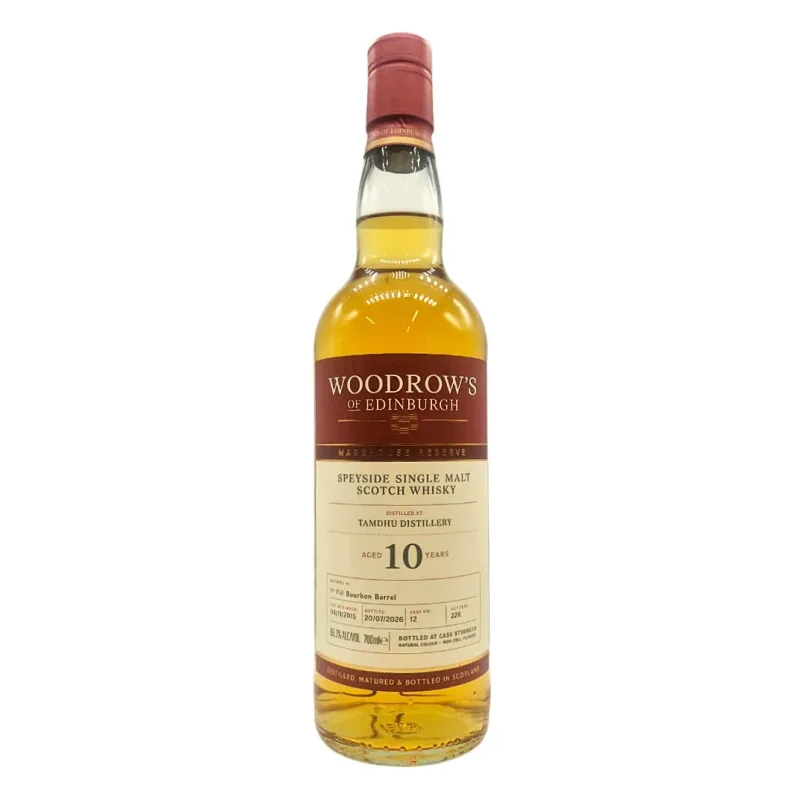
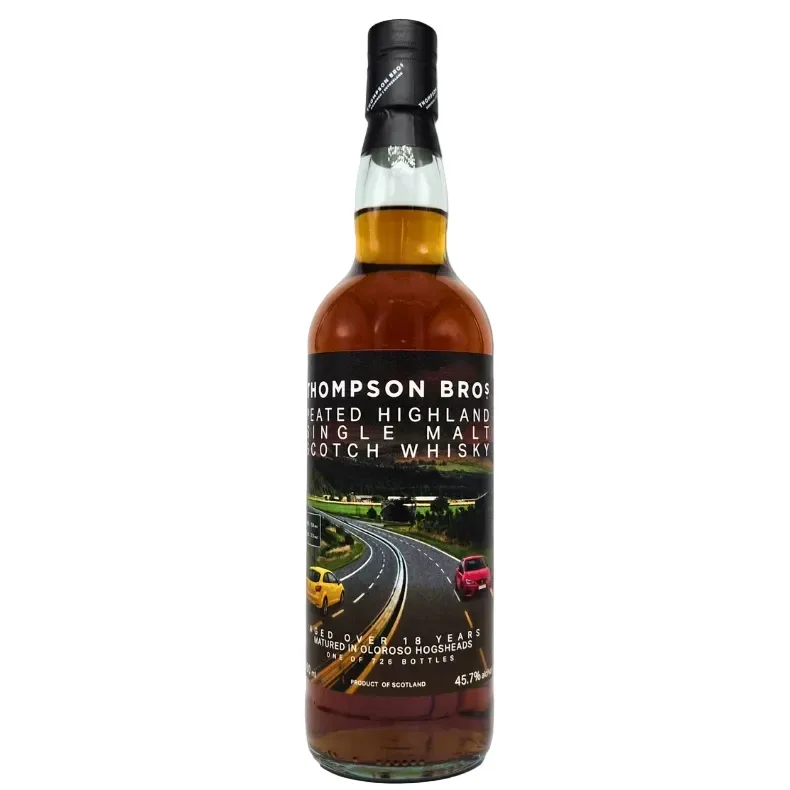
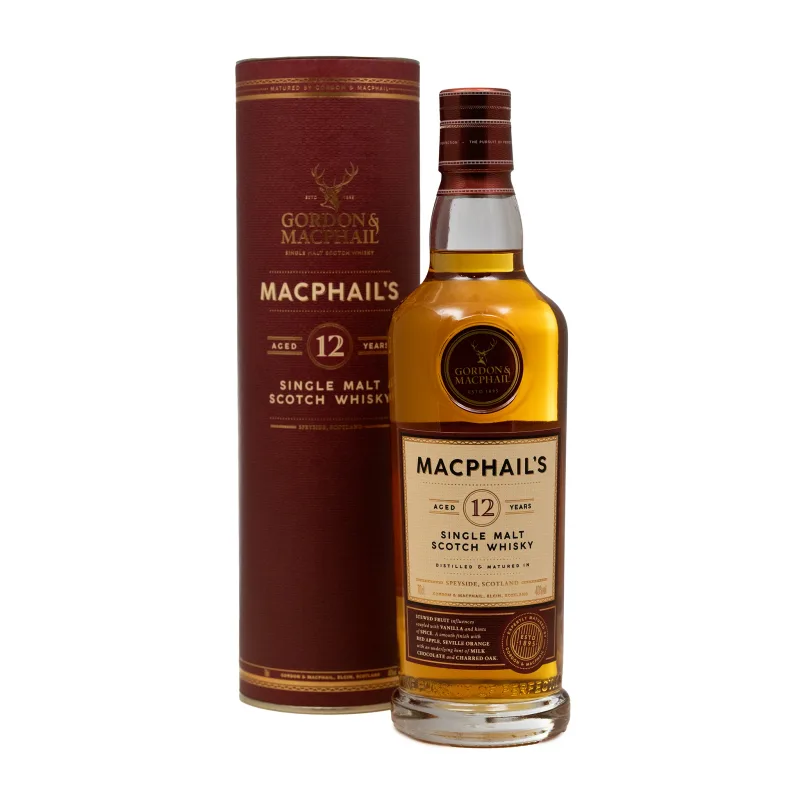
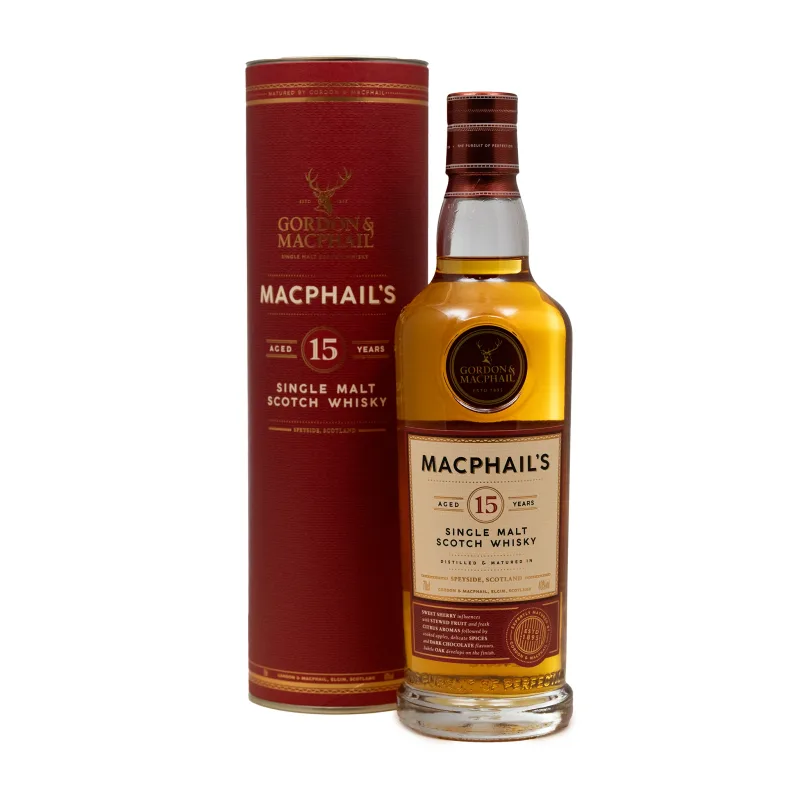
Many Scotch whiskies here come from independent bottlers such as Gordon & MacPhail, Signatory, Cadenhead's or Douglas Laing. They buy single casks or small parcels and bottle them under their own labels, often at cask strength. Some name the distillery; others use a code name for contractual reasons.
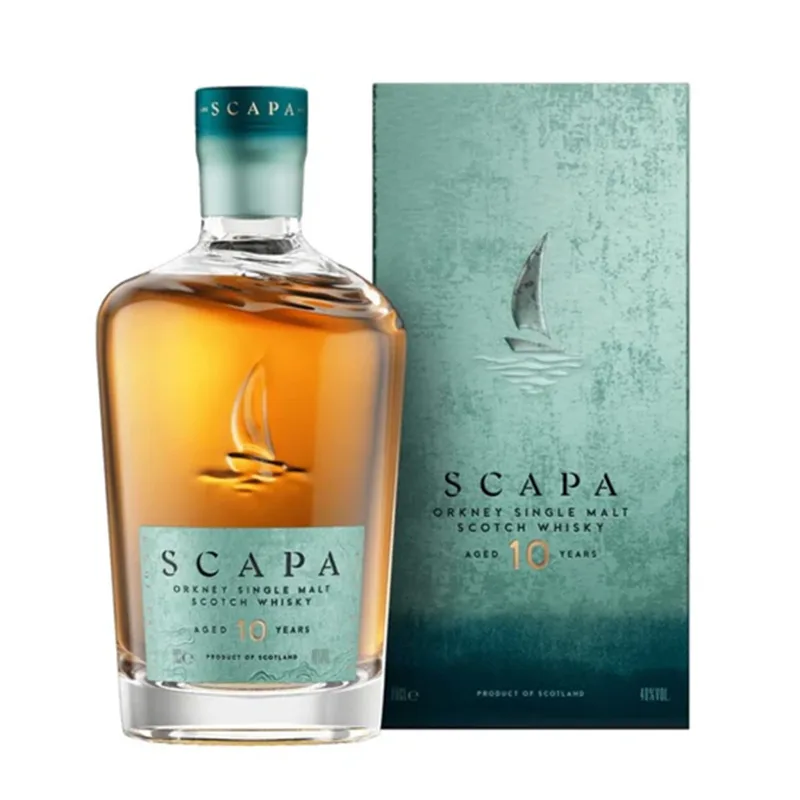
Scotch whisky law recognises five regions: Highland, Lowland, Speyside, Campbeltown and Islay. The Islands, including Orkney, Skye, Mull, Jura and Arran, are often listed separately as a sixth style but are legally part of the Highland region. Regional style is a loose guide, as each distillery makes its own choices on peat, stills and casks.
Scotch whisky must mature in oak casks in Scotland for at least three years. Any age statement on the label refers to the youngest whisky in the bottle. Many single malts are bottled at 10, 12, 15 or 18 years, and some much older.
Well-known closed Scotch distilleries include St Magdalene, Glen Albyn, Glen Mhor, Glenury Royal, Littlemill and Caperdonich. Port Ellen, Brora and Rosebank closed decades ago but have since been rebuilt and reopened, so their older stock is still the original pre-closure spirit. Bottles from closed distilleries become harder to find as supplies run out.
Scotch is whisky made in Scotland under the Scotch Whisky Regulations, which set a minimum of three years in oak and a minimum strength of 40% ABV. All Scotch is whisky, but whisky from Ireland, the USA, Japan or anywhere else cannot be called Scotch.
An independent bottling is released by a company that buys casks from a distillery and bottles them under its own label, rather than by the distillery owner. Gordon & MacPhail, Signatory and Cadenhead are long-established examples. Independent bottlings often come from a single cask and can show a distillery in a style the official range does not.
About Glenbotal
Glenbotal is an online marketplace for rare, collectable and limited-edition whisky and other spirits. Bottles are listed by partner shops and private sellers, each described as it is, and delivered to the UK and many other countries. Looking for one bottle in particular? Ask us through Find my bottle.