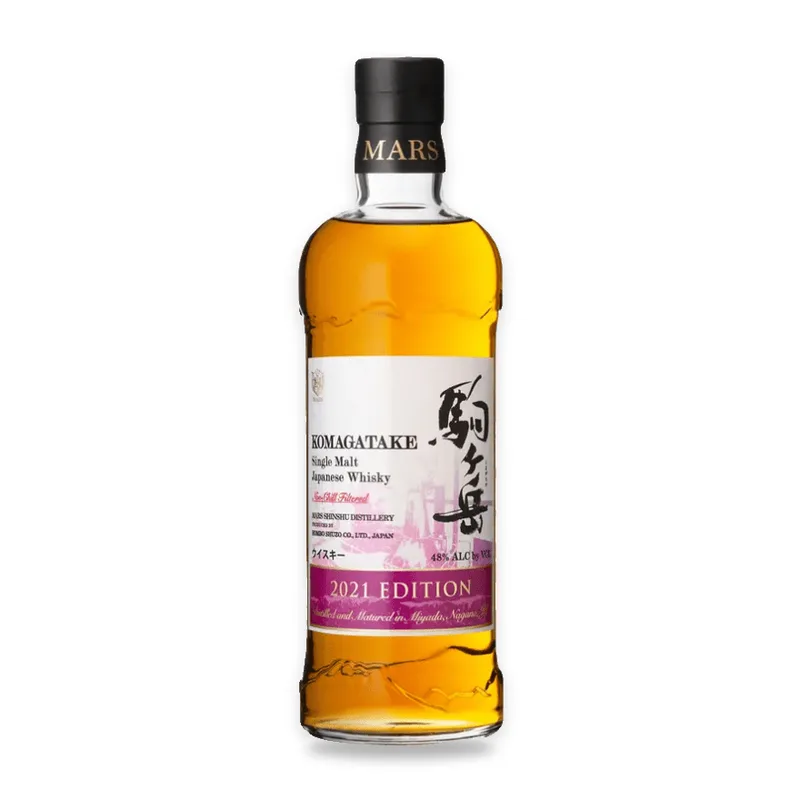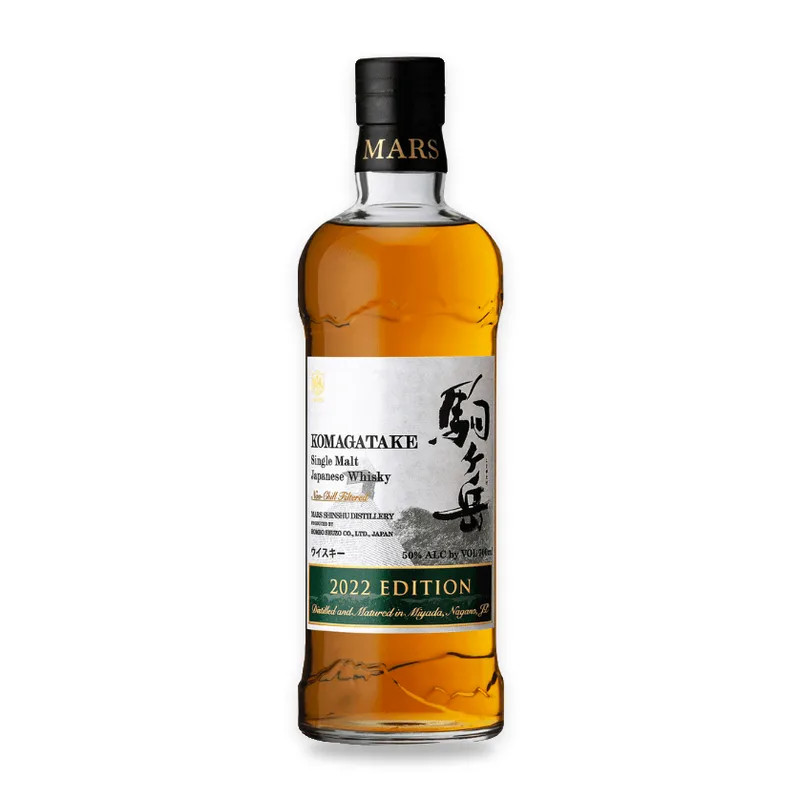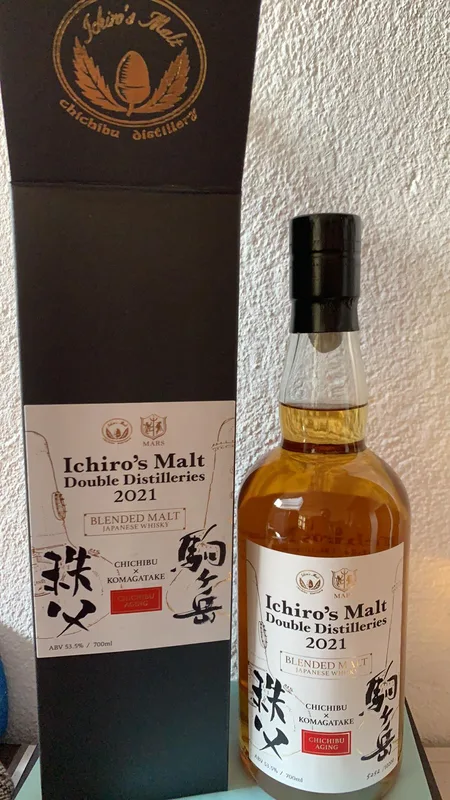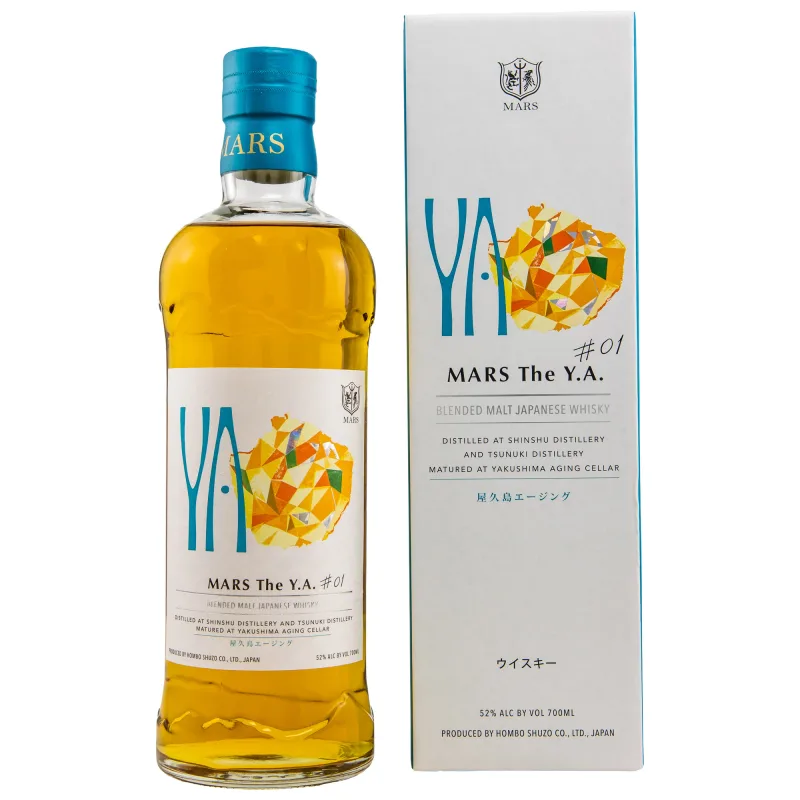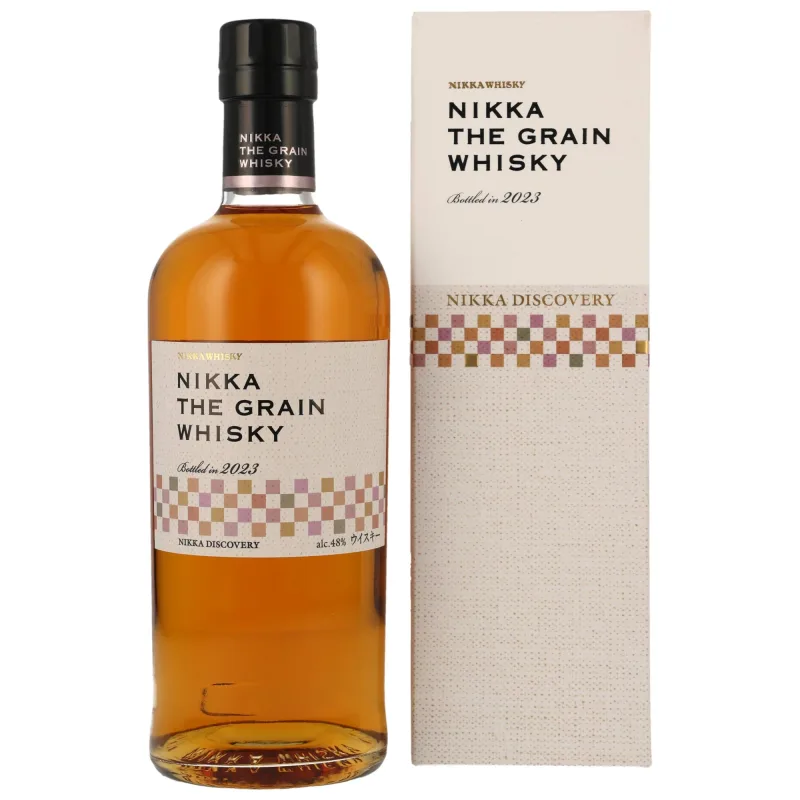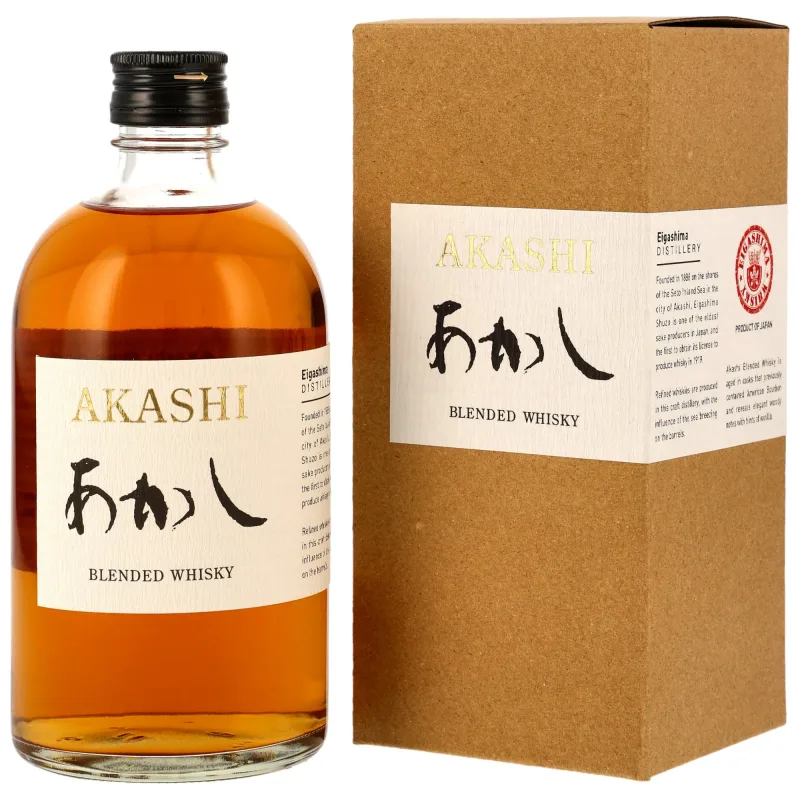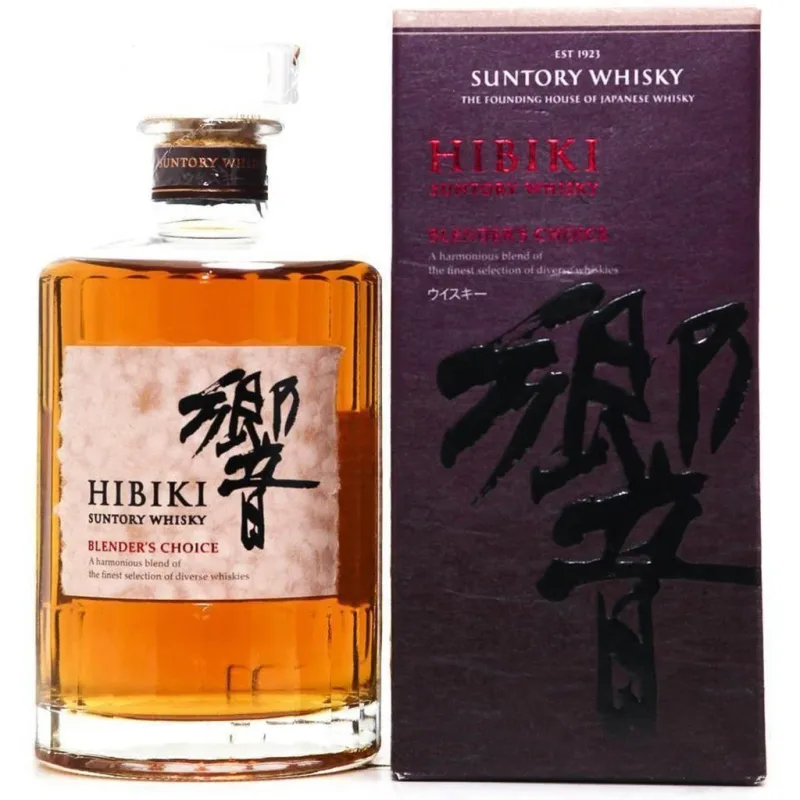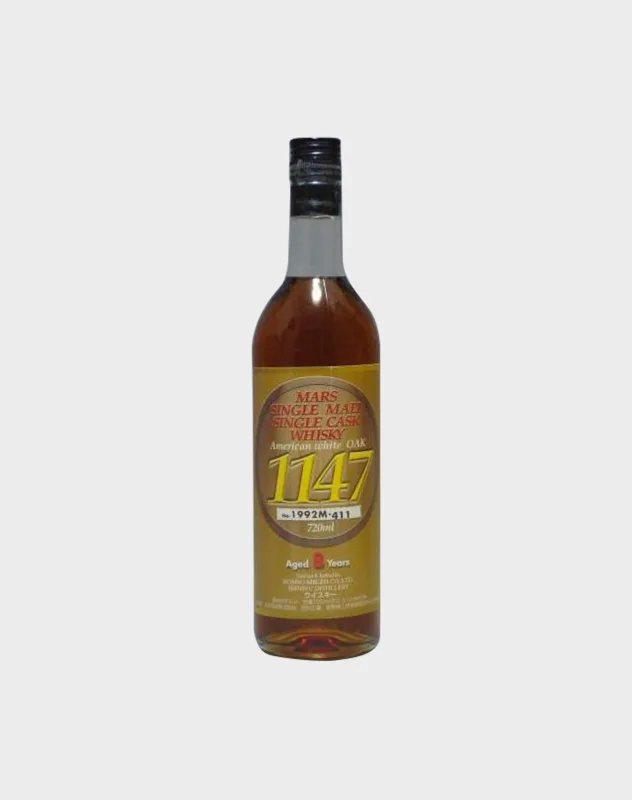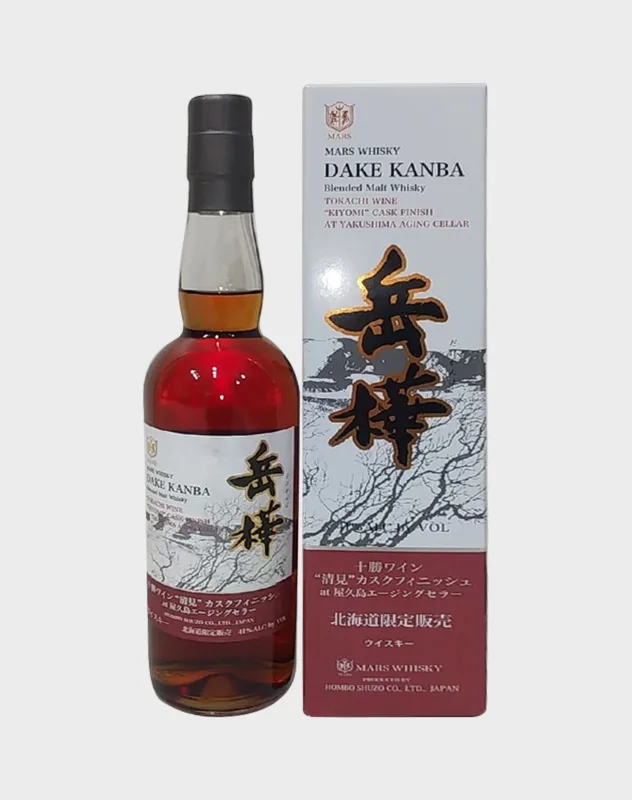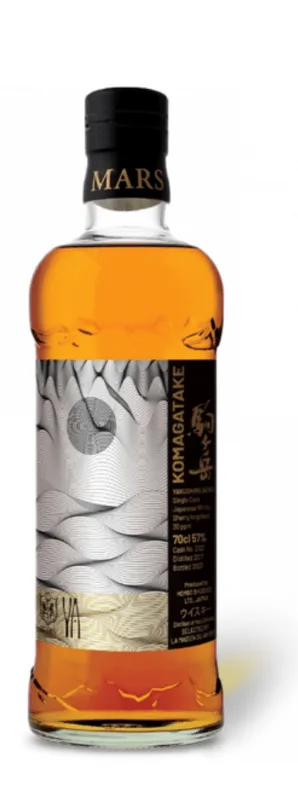
Mars Komagatake – 6 Year Old Yakushima Aging Sherry Hogshead 20ppm New Vibrations
US$409.00

Scotland
Rest of the world
2119 bottles
US$409.00
US$139.00
US$409.00
US$219.00
US$179.00
70cl
US$109.00
US$1,749.00
US$219.00
70cl
US$109.00
70cl
US$129.00
53.5%
US$899.00
70cl
US$189.00
70cl / 47%
US$479.00
70cl / 52%
US$239.00
70cl / 48%
US$209.00
70cl
US$59.00
70cl / 43%
US$279.00
US$679.00
50cl / 57.5%
US$409.00
US$23,029.00
40%
US$409.00
US$9,489.00
US$409.00
70cl / 40%
US$219.00
US$10,839.00
US$299.00
US$479.00
US$679.00
US$1,369.00
46%
US$8,529.00
US$249.00
US$189.00
US$479.00
US$879.00
US$2,049.00
US$959.00
US$1,709.00
US$1,639.00
US$179.00
US$8,609.00
70cl / 58.8%
US$8,299.00
72cl / 43%
US$449.00
75cl / 43%
US$449.00
1L / 43%
US$629.00
76cl / 43%
US$629.00
72cl / 42%
US$629.00
70cl / 43%
US$449.00
76cl / 43%
US$449.00
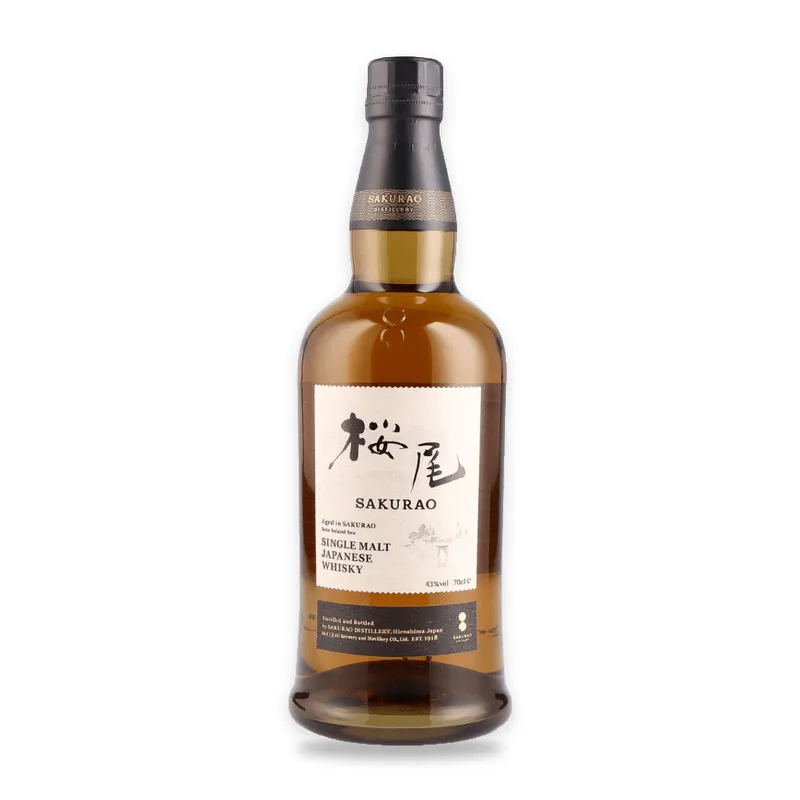
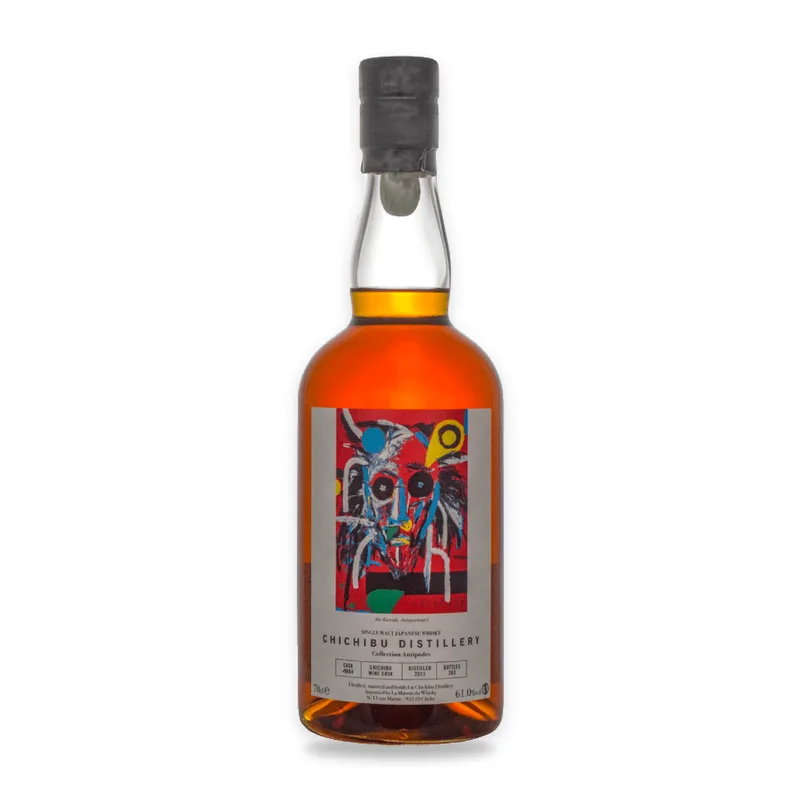
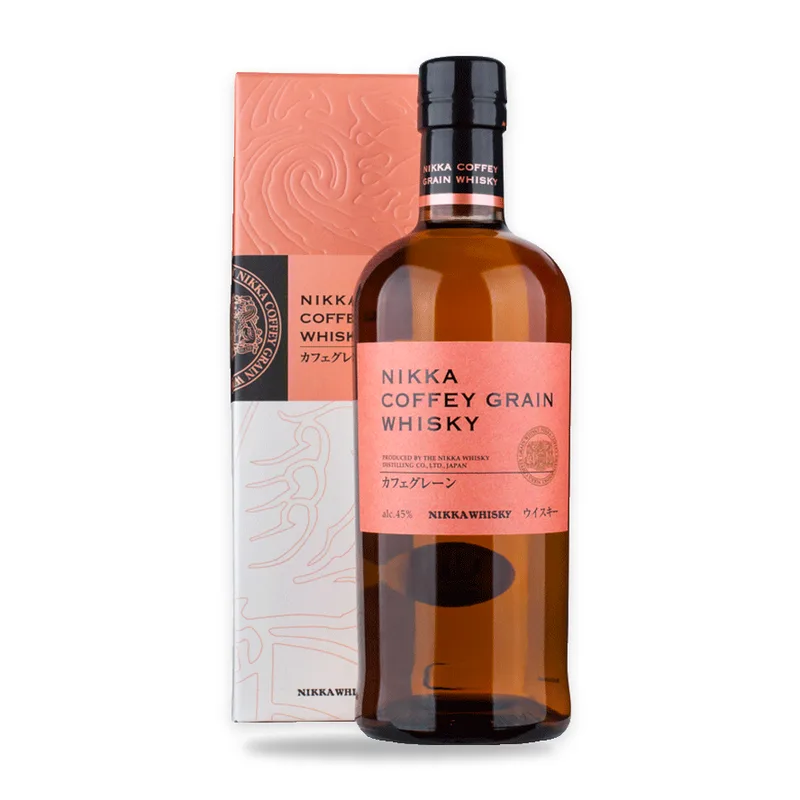
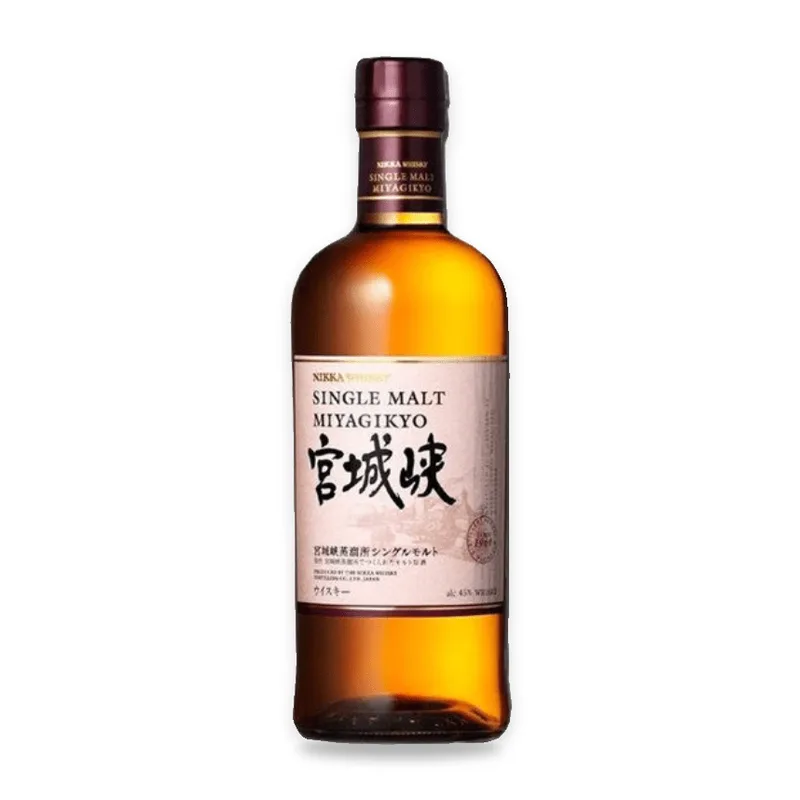
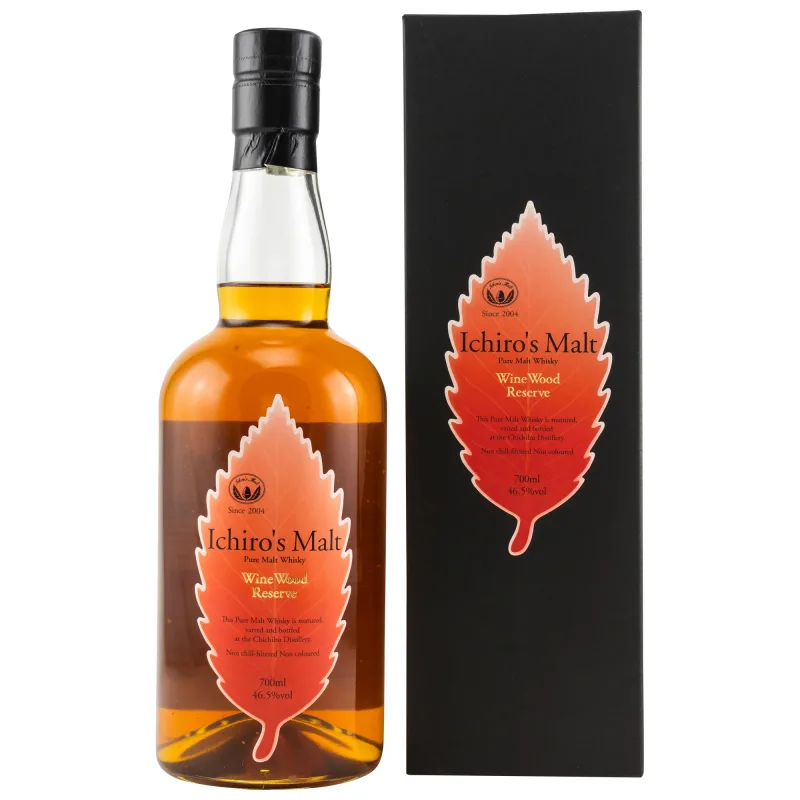
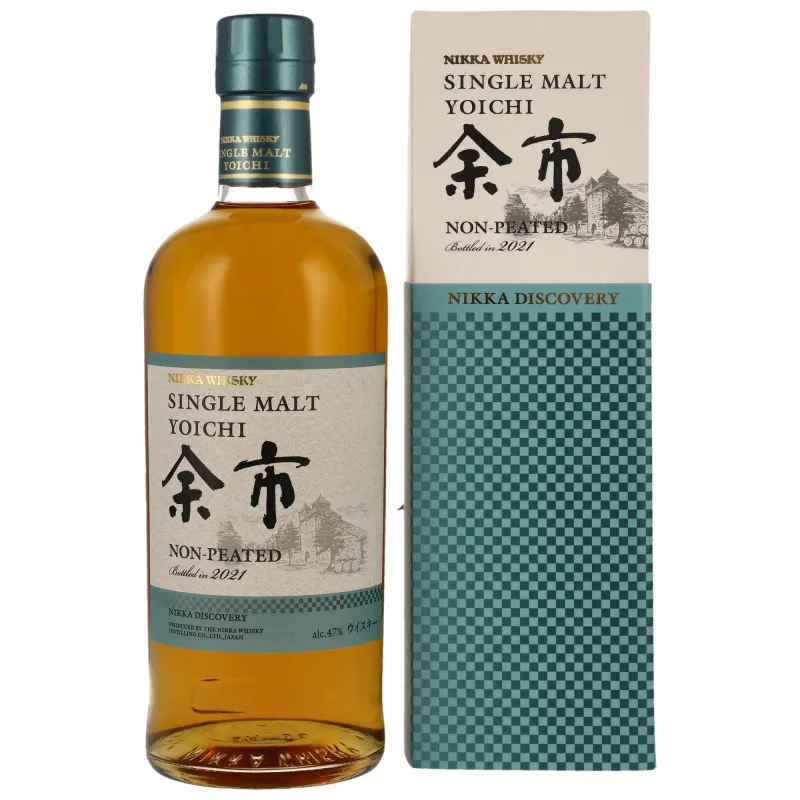
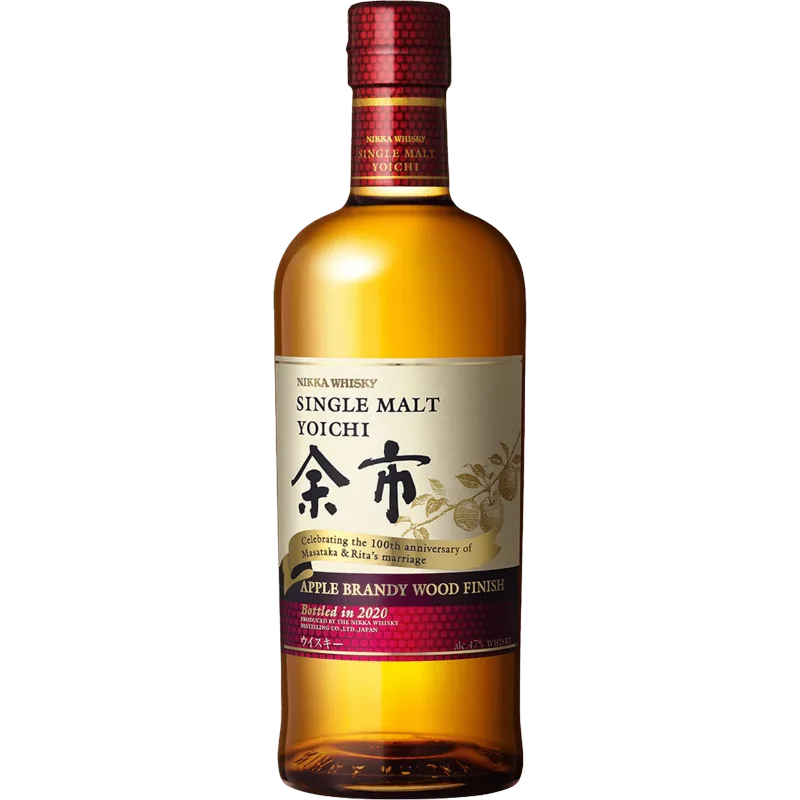
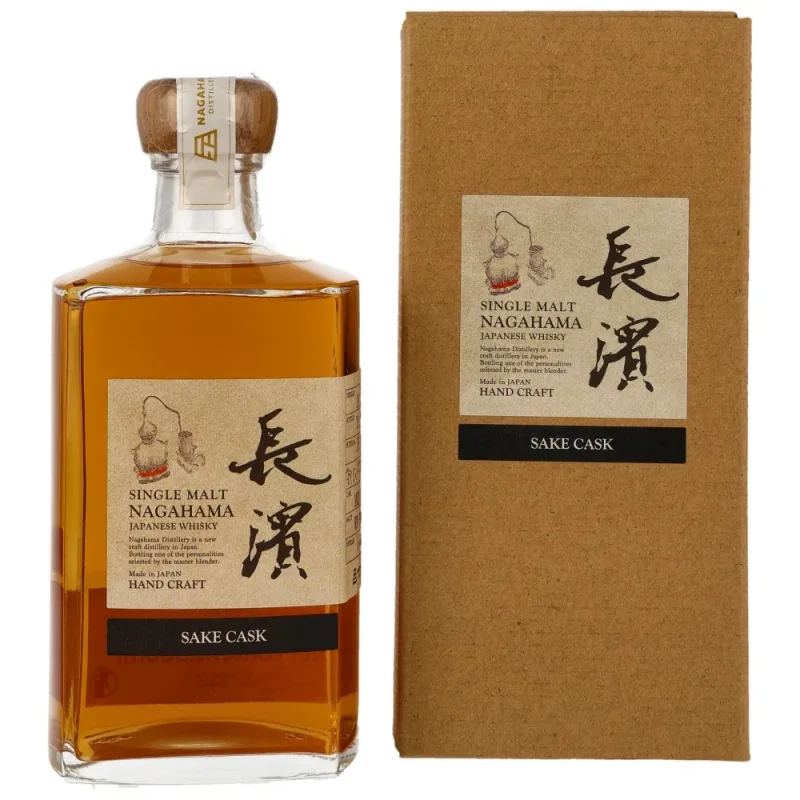
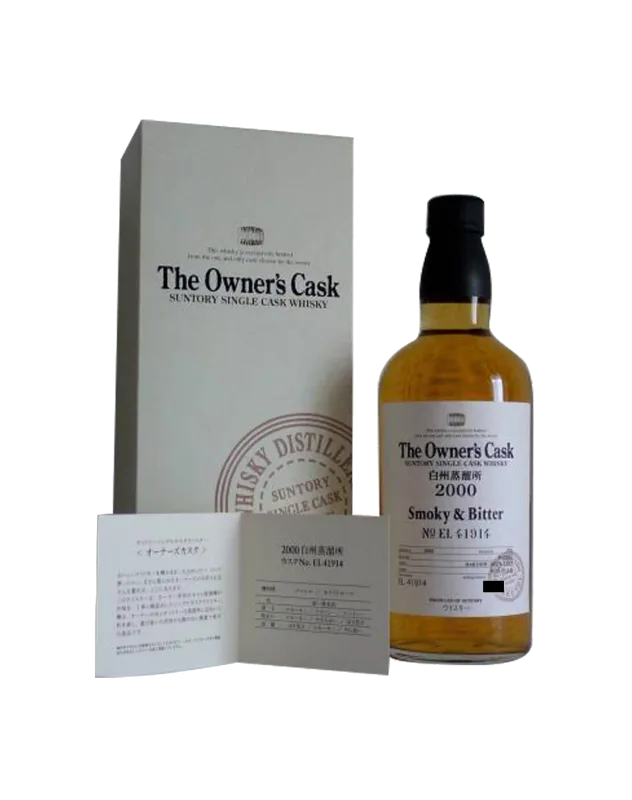
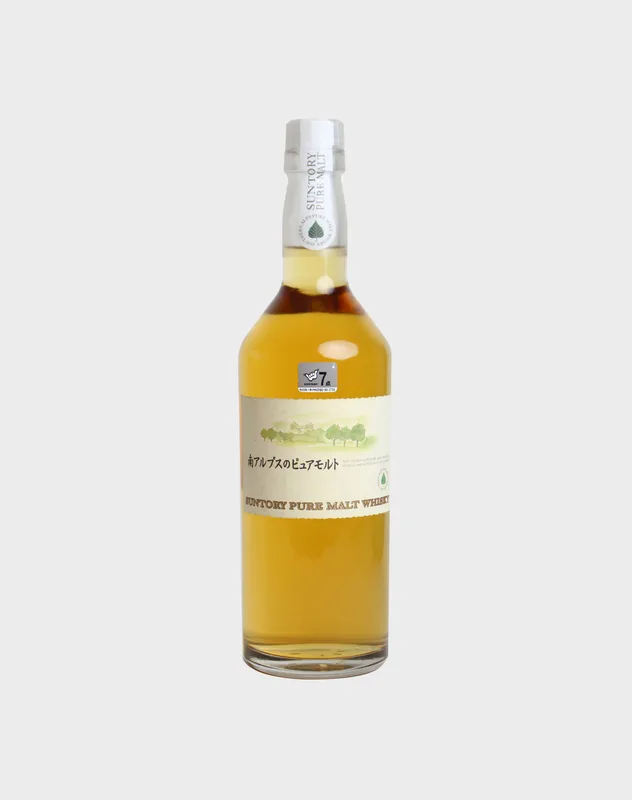
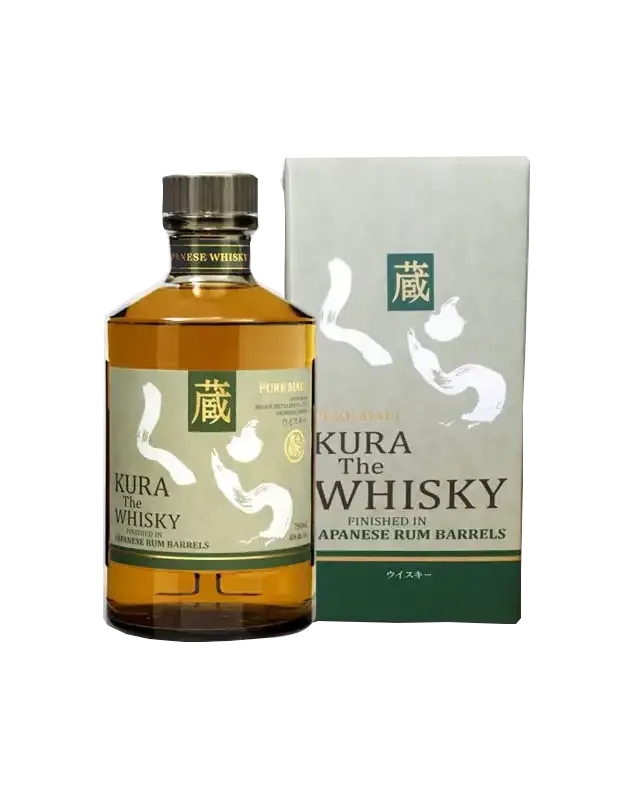
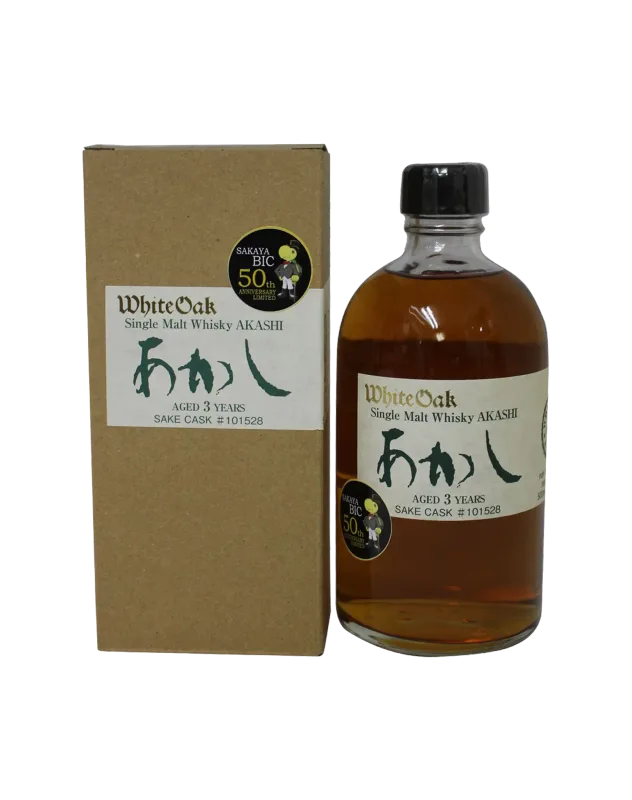
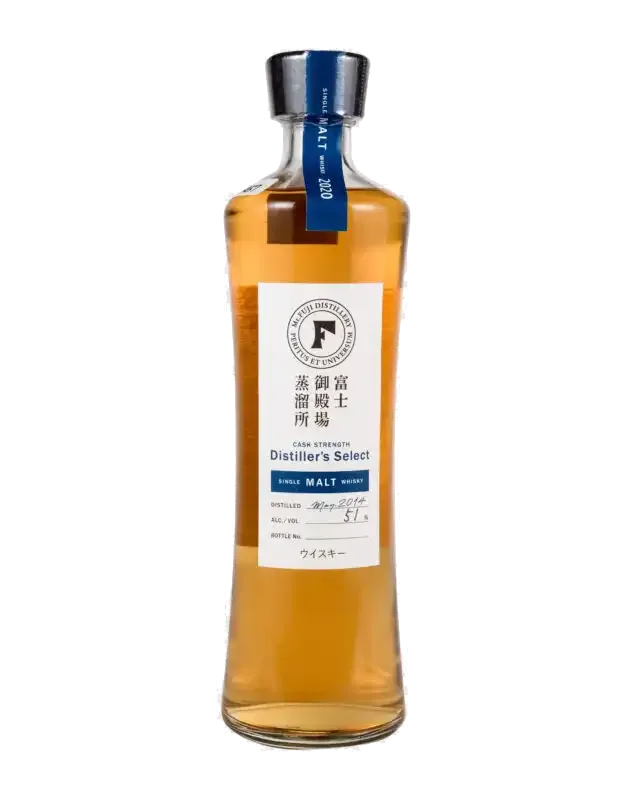
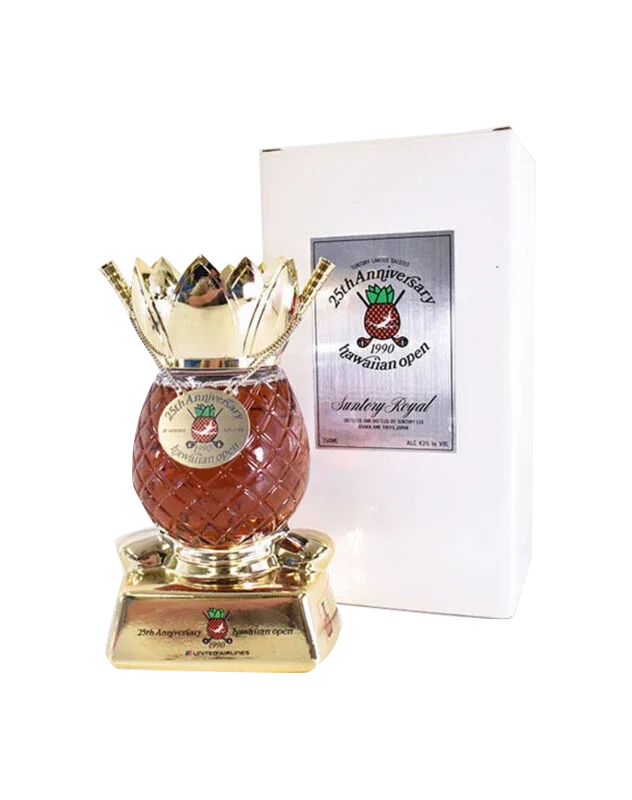
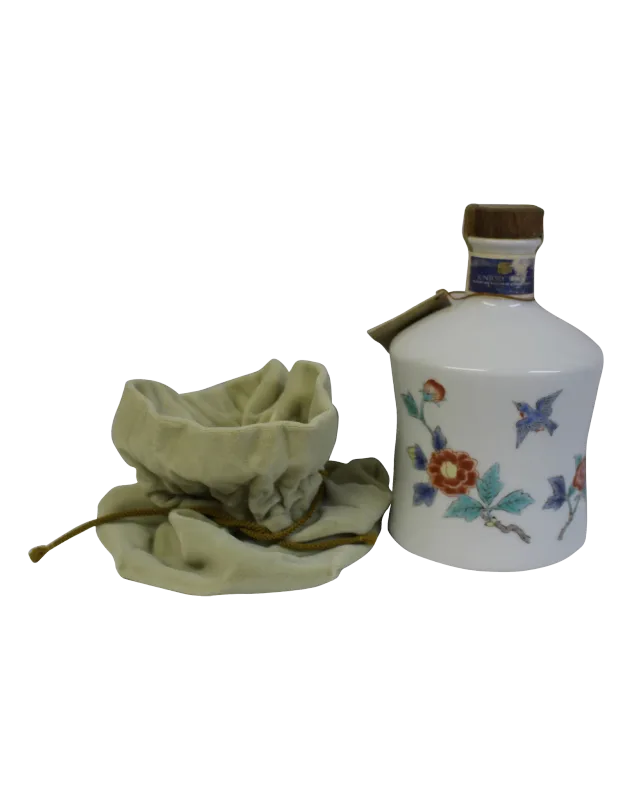
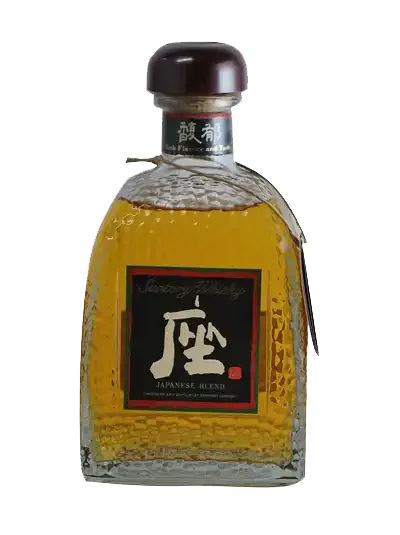
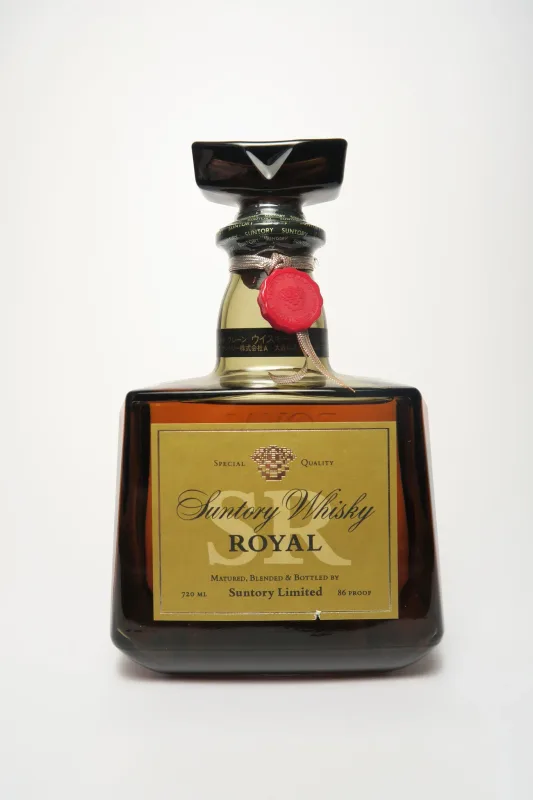
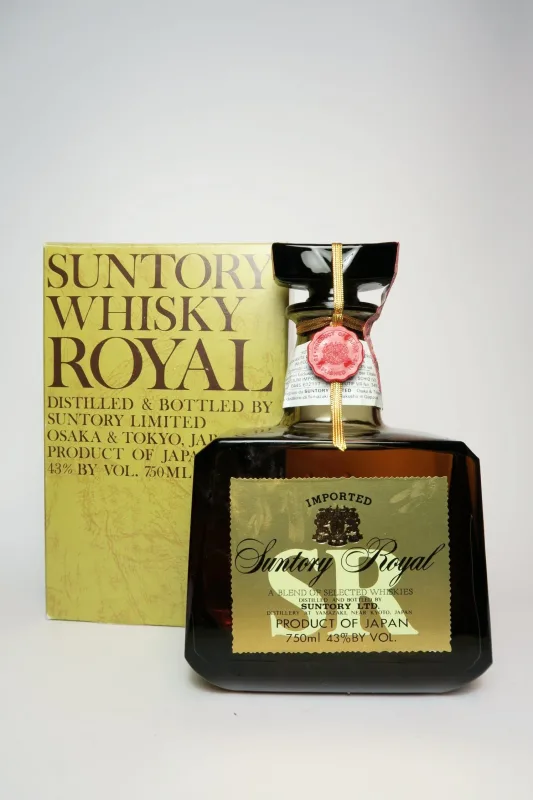
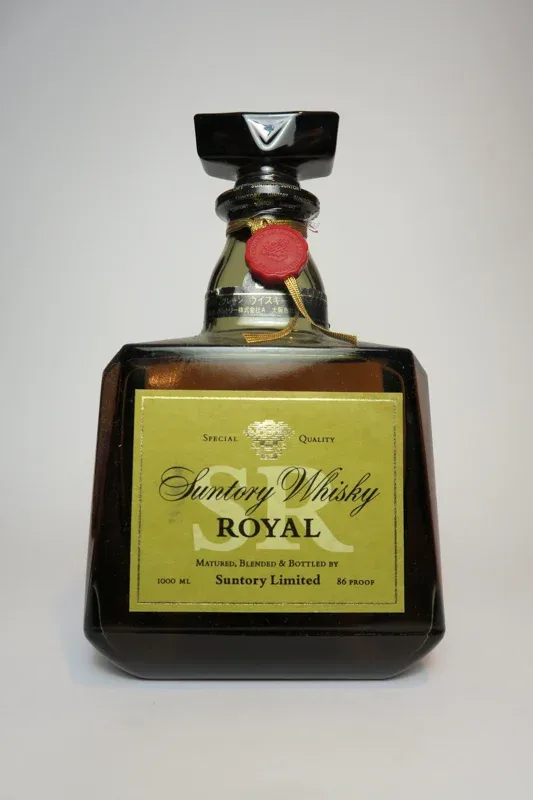
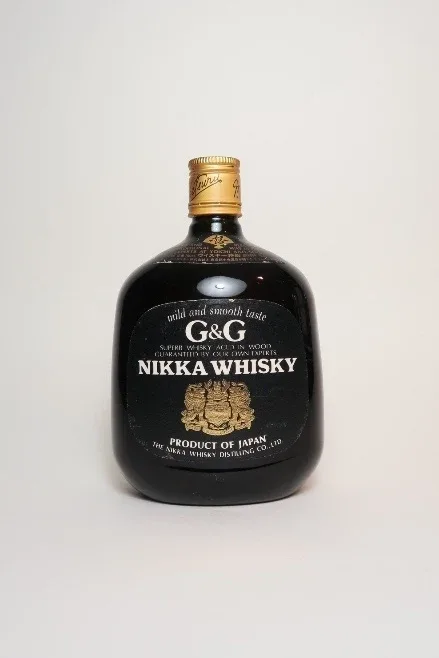
The Japanese range is led by Chichibu, Yamazaki and Karuizawa, followed by Hakushu, Yoichi, Miyagikyo and Hibiki. Nikka and Suntory blends sit alongside the newer craft distilleries: Kanosuke, Nagahama, Akkeshi, Mars Shinshu and Tsunuki, Shizuoka, Sakurao and Saburomaru. Closed Hanyu appears both as single casks and in Ichiro's Malt releases. Single malts make up the largest share, with a strong choice of blends and blended malts.
Japan's first malt distillery, Yamazaki between Osaka and Kyoto, opened in 1923, founded by Shinjiro Torii of what became Suntory. Masataka Taketsuru, who had studied distilling in Scotland, worked there before founding Nikka and its Yoichi distillery in Hokkaido in 1934. Hakushu, Miyagikyo and many later distilleries followed. Since 2008 Ichiro Akuto's Chichibu has led a wave of small producers.
A labelling standard adopted by the Japan Spirits and Liqueurs Makers Association in 2021 says that whisky called Japanese whisky must be made from grain including malted grain, fermented, distilled and matured for at least three years in Japan, and bottled in Japan. Earlier bottles, and some current ones under the name "world whisky", may contain imported whisky, so the label and producer matter.
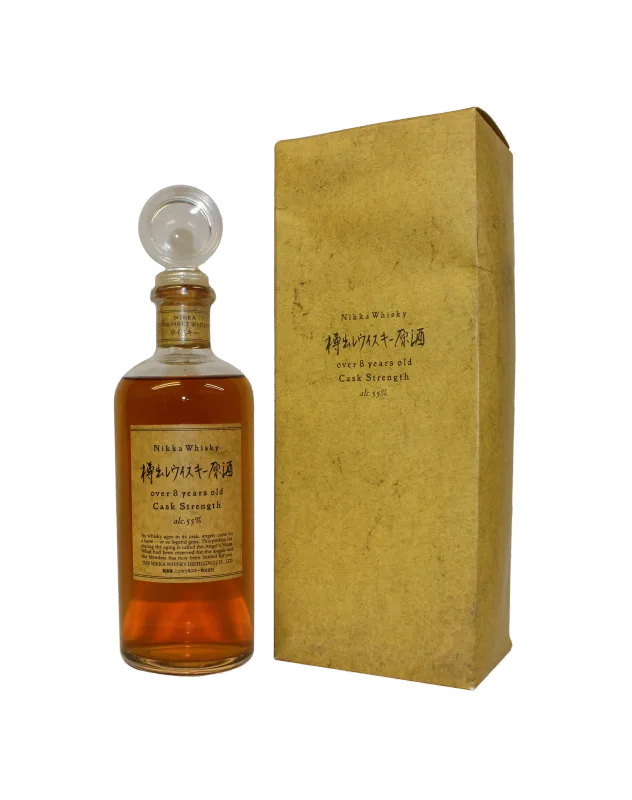
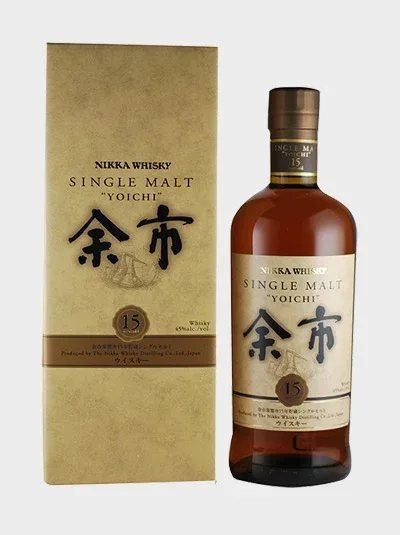
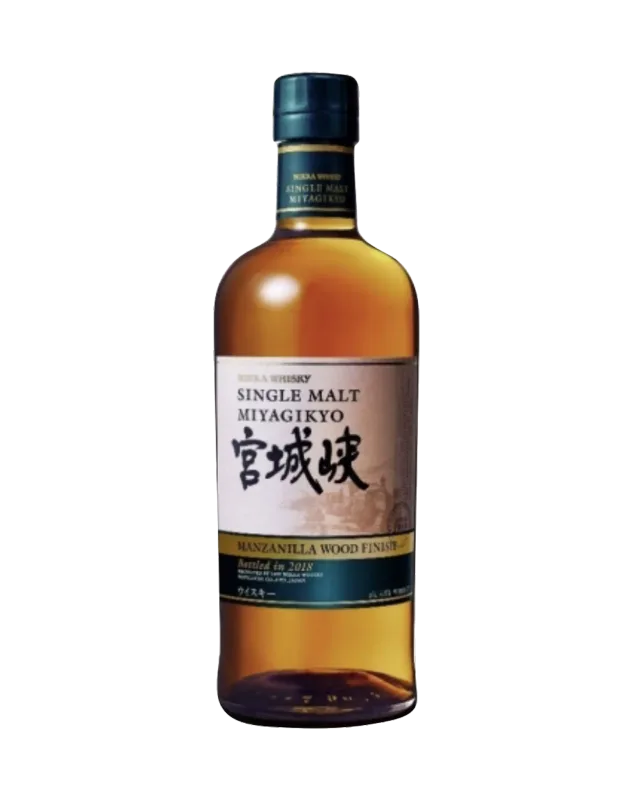
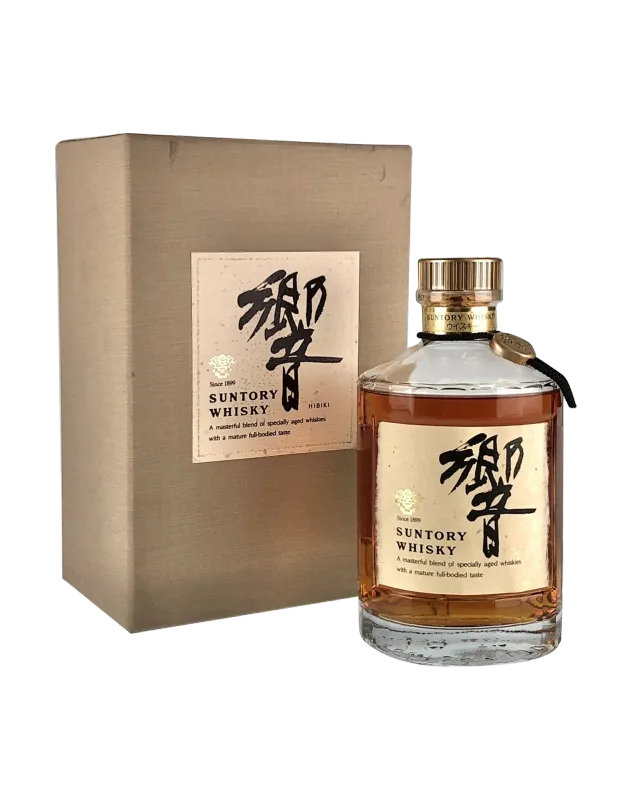
The best known Japanese whiskies come from Suntory and Nikka. Suntory makes Yamazaki and Hakushu single malts and the Hibiki blend; Nikka makes Yoichi and Miyagikyo single malts and the Nikka From the Barrel blend. Among smaller producers, Chichibu has the strongest following.
Japanese whisky became very popular in the 2010s, and stocks of aged whisky were too small to meet demand, because distilleries had cut production in earlier decades. Suntory and Nikka suspended several age-stated bottlings and replaced them with no-age-statement versions. Bottles from closed distilleries such as Karuizawa and Hanyu are limited by nature.
Suntory suspended Hibiki 17 Year Old in 2018, together with Hakushu 12, because of a shortage of aged whisky. Bottles released before then, and limited later releases, are still found on the secondary market. Hibiki 21 and Hibiki Japanese Harmony continue in production.
Under the 2021 standard of the Japan Spirits and Liqueurs Makers Association, Japanese whisky must use grain including malted grain and Japanese water, be fermented, distilled and aged for at least three years in Japan, and be bottled in Japan at 40% ABV or more. Products that blend in imported whisky cannot use the term Japanese whisky.
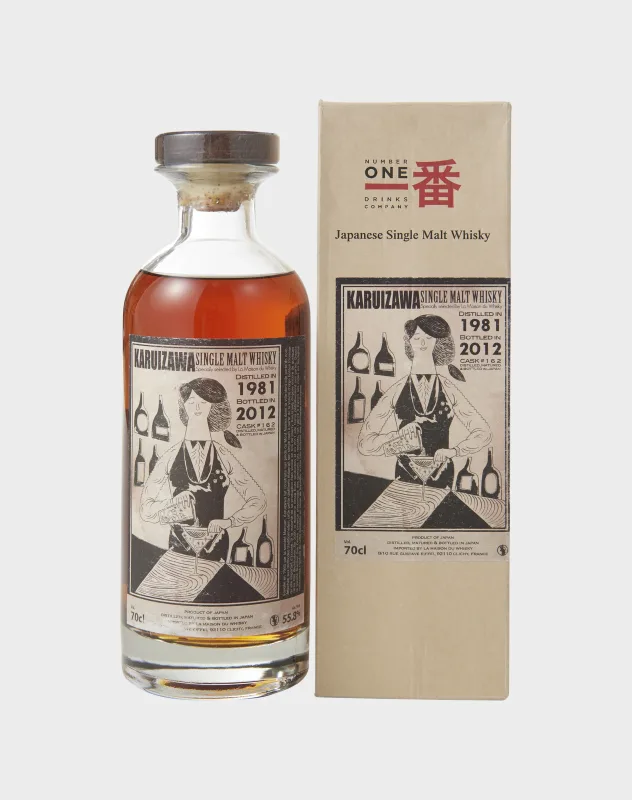
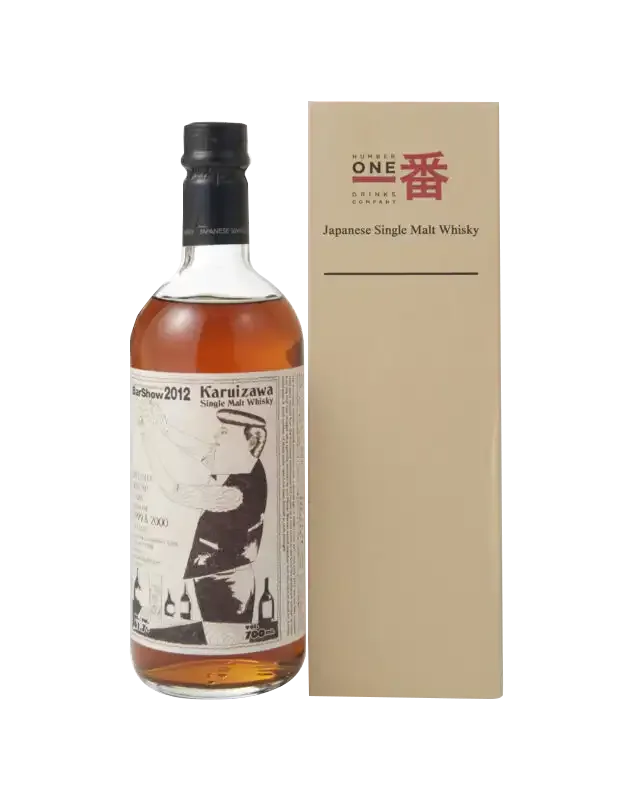
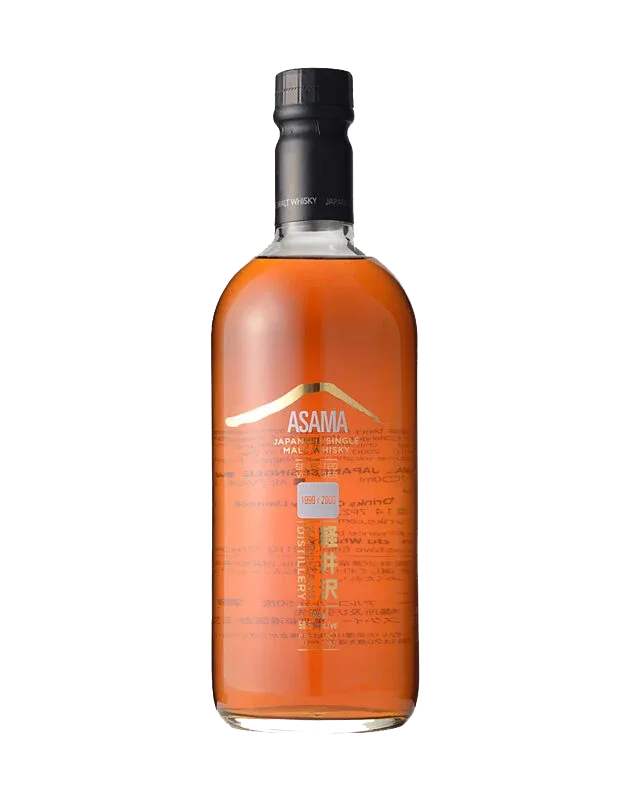
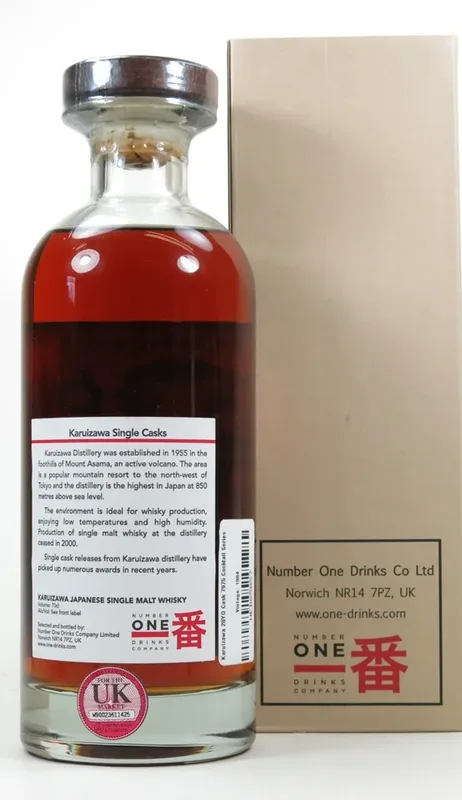
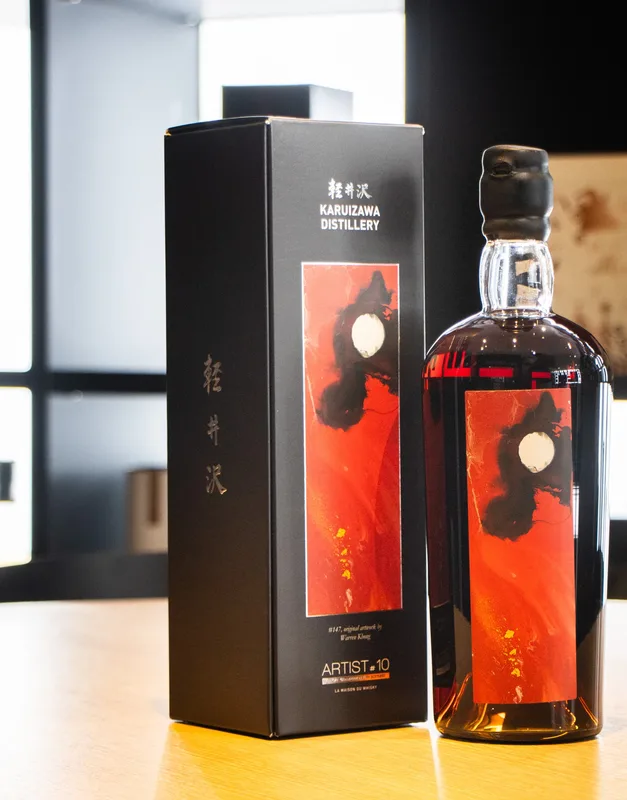
Karuizawa was a whisky distillery in Nagano Prefecture, Japan, that made heavily sherried single malt from Golden Promise barley. It stopped production around 2000 and was later dismantled. Its remaining casks were bottled mostly as single cask releases, and they are among the most collected Japanese whiskies.
Mizunara is a Japanese oak (Quercus mongolica var. crispula) used to make whisky casks. It is porous and hard to work, so casks are expensive and often leak, but whisky aged in it can develop notes of sandalwood, coconut and incense. Many Japanese distilleries use it for finishing rather than full maturation.
About Glenbotal
Glenbotal is an online marketplace for rare, collectable and limited-edition whisky and other spirits. Bottles are listed by partner shops and private sellers, each described as it is, and delivered to the UK and many other countries. Looking for one bottle in particular? Ask us through Find my bottle.