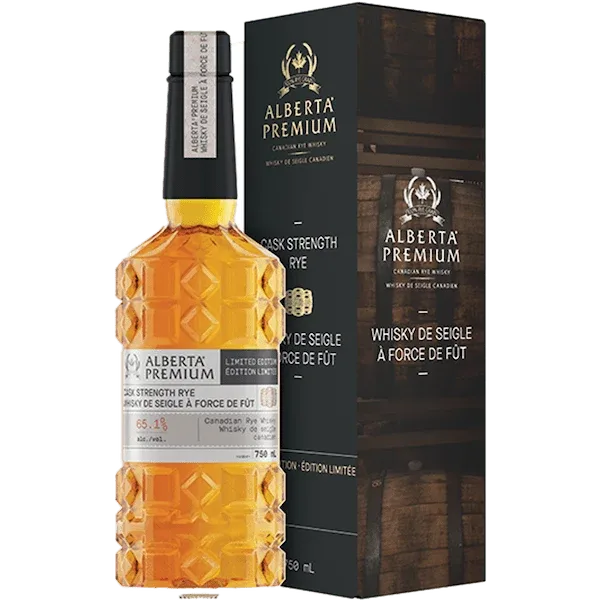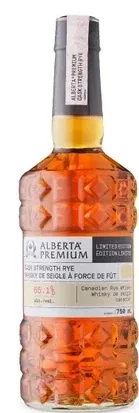
Alberta Premium Cask Strength Rye Whisky
75cl
US$99.00

Scotland
Rest of the world
667 bottles
75cl
US$99.00
75cl
US$549.00
75cl
US$29.00
75cl
US$139.00
75cl
US$249.00
75cl
US$279.00
75cl
US$109.00
75cl
US$689.00
75cl
US$139.00
75cl
US$39.00
75cl
US$59.00
75cl
US$39.00
75cl
US$259.00
75cl
US$69.00
75cl
US$549.00
75cl
US$279.00
75cl
US$39.00
75cl / 46%
US$899.00
75cl / 40%
US$89.00
75cl / 40%
US$279.00
37.5cl / 40%
US$29.00
75cl / 40.5%
US$549.00
75cl / 40%
US$39.00
75cl / 35%
US$39.00
75cl / 40%
US$249.00
75cl / 40%
US$99.00
75cl / 40%
US$209.00
75cl
US$259.00
75cl / 40%
US$2,719.00
50.4%
US$259.00
75cl / 40%
US$829.00
75cl / 51.5%
US$349.00
75cl / 45%
US$479.00
75cl / 40%
US$39.00
75cl / 65.1%
US$109.00
75cl / 40%
US$619.00
75cl
US$549.00
75cl / 35%
US$49.00
75cl / 45%
US$139.00
75cl / 40%
US$259.00
75cl / 45%
US$279.00
37.5cl / 35%
US$29.00
75cl
US$1,089.00
75cl / 40%
US$69.00
75cl / 50%
US$689.00
75cl
US$129.00
75cl / 45%
US$49.00
75cl / 40%
US$329.00
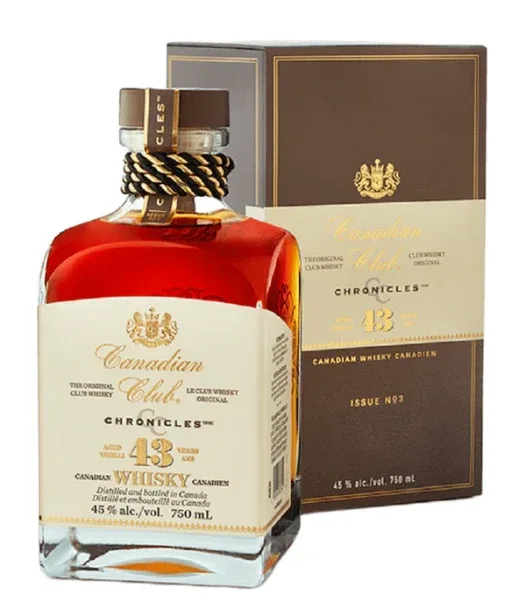
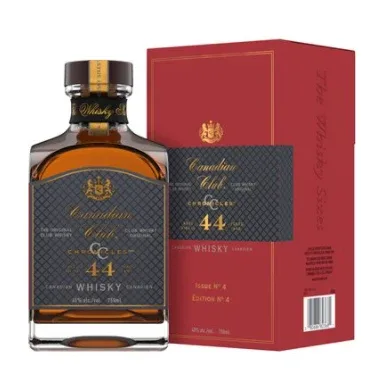
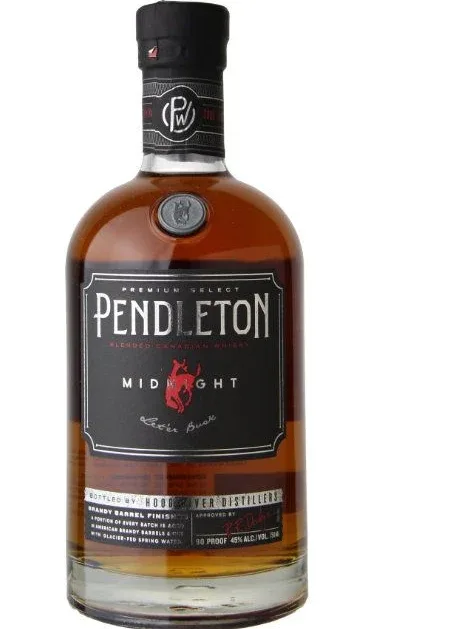
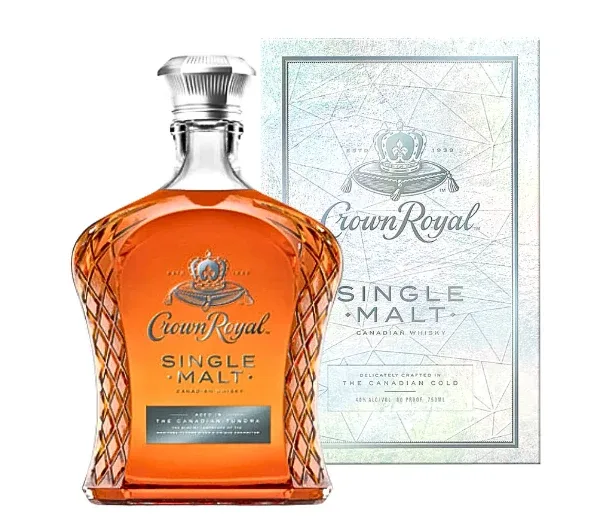
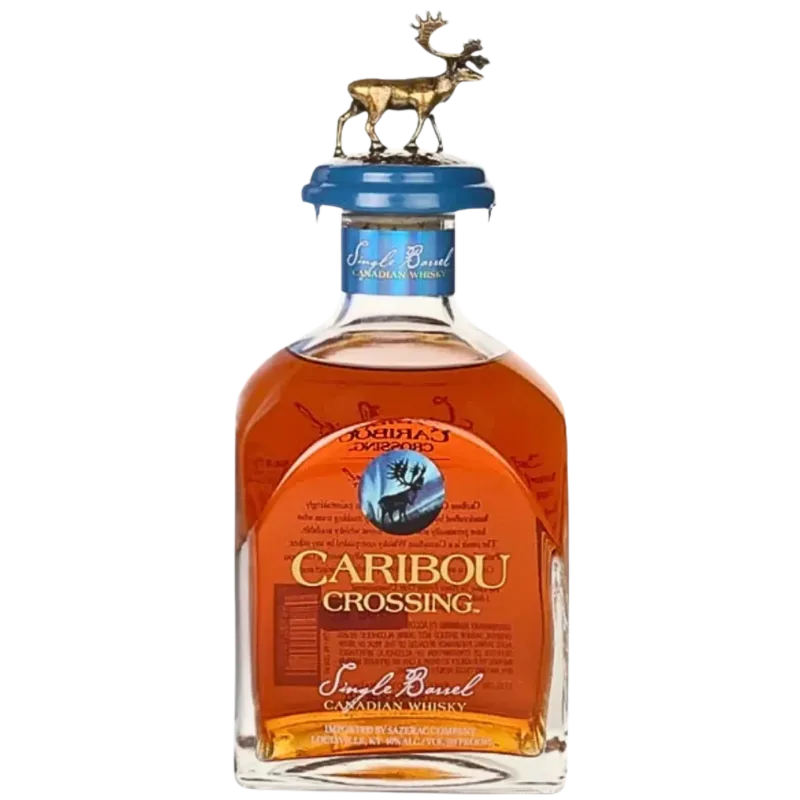
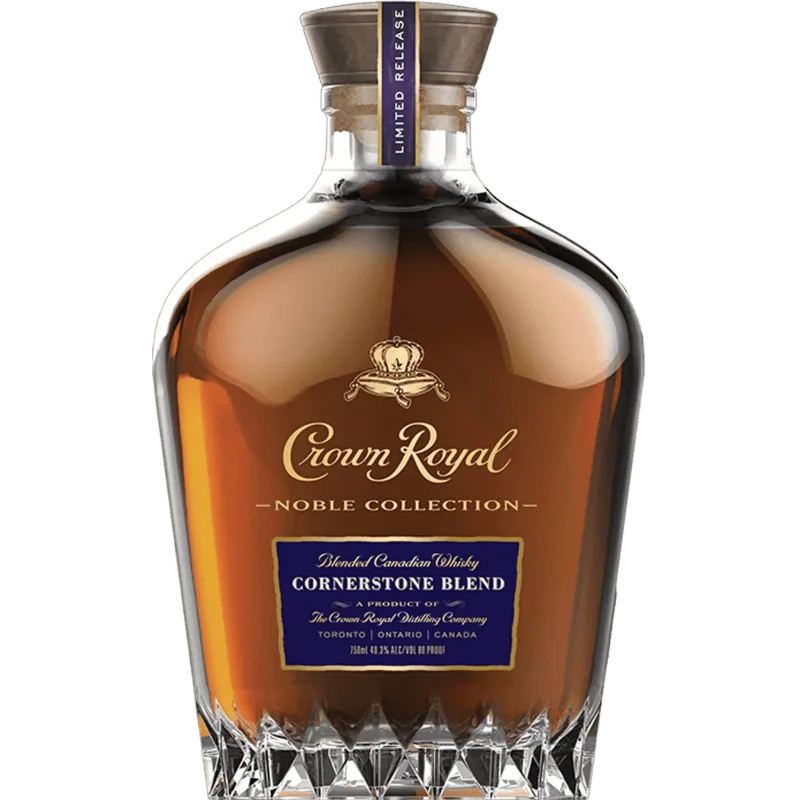
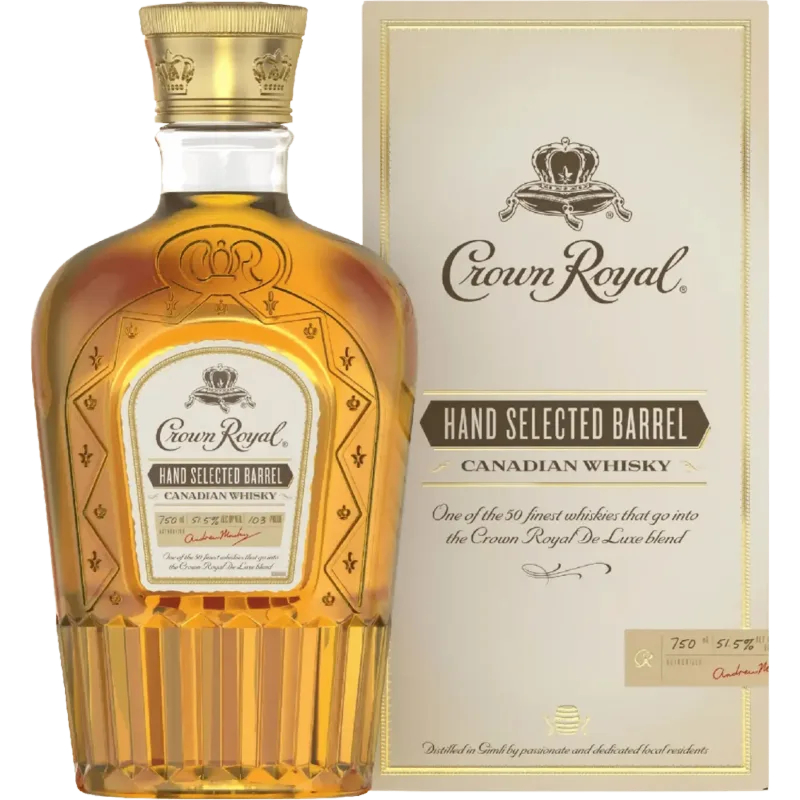
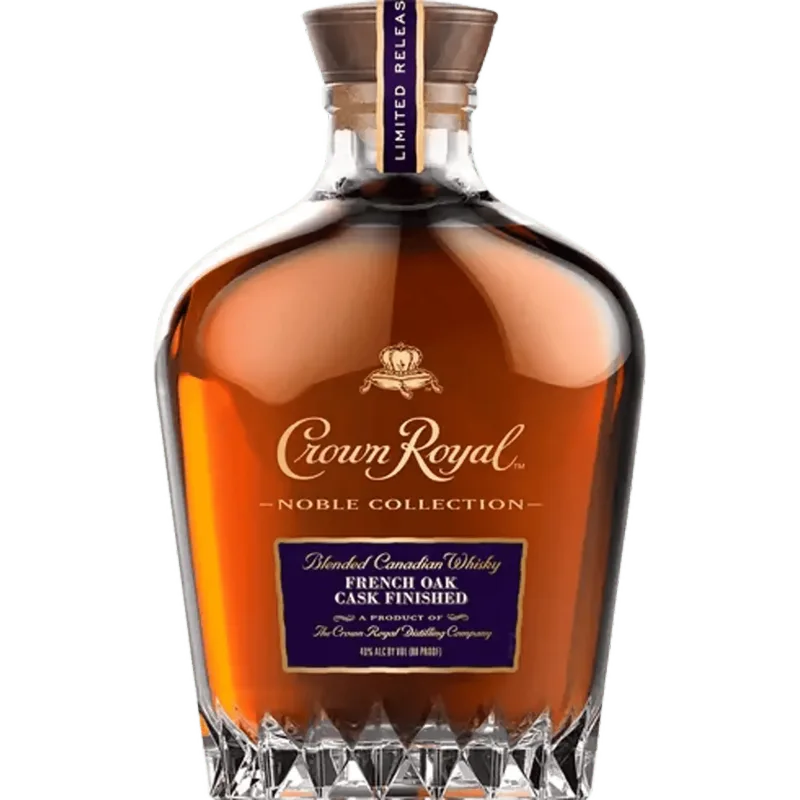
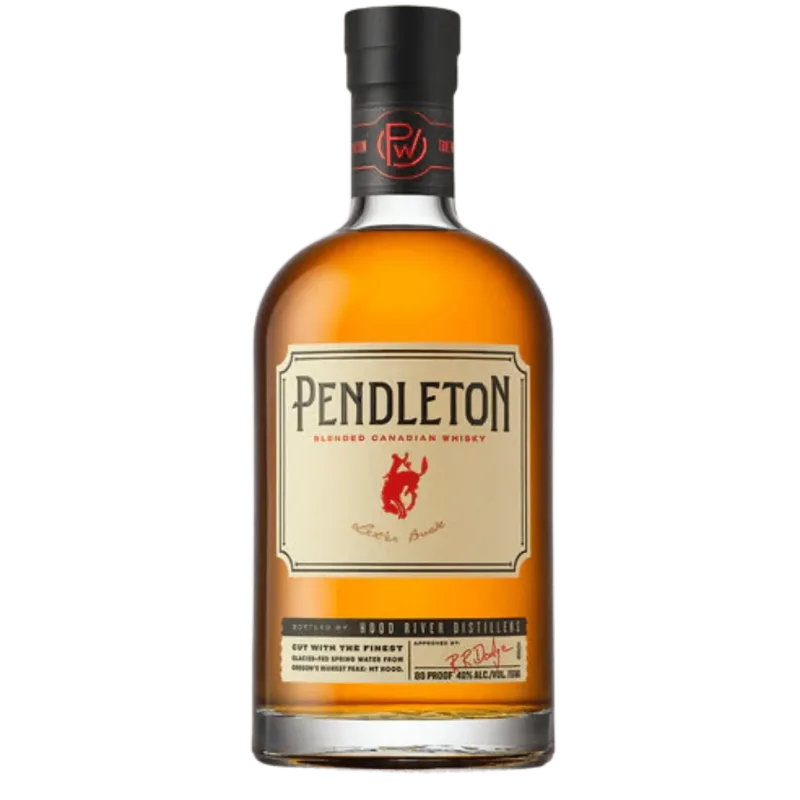
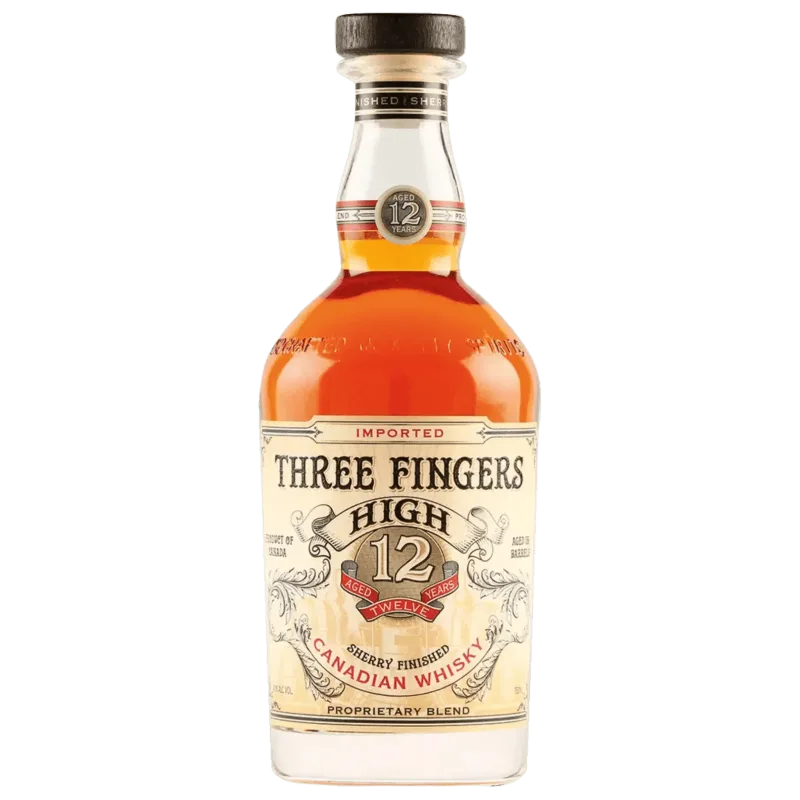
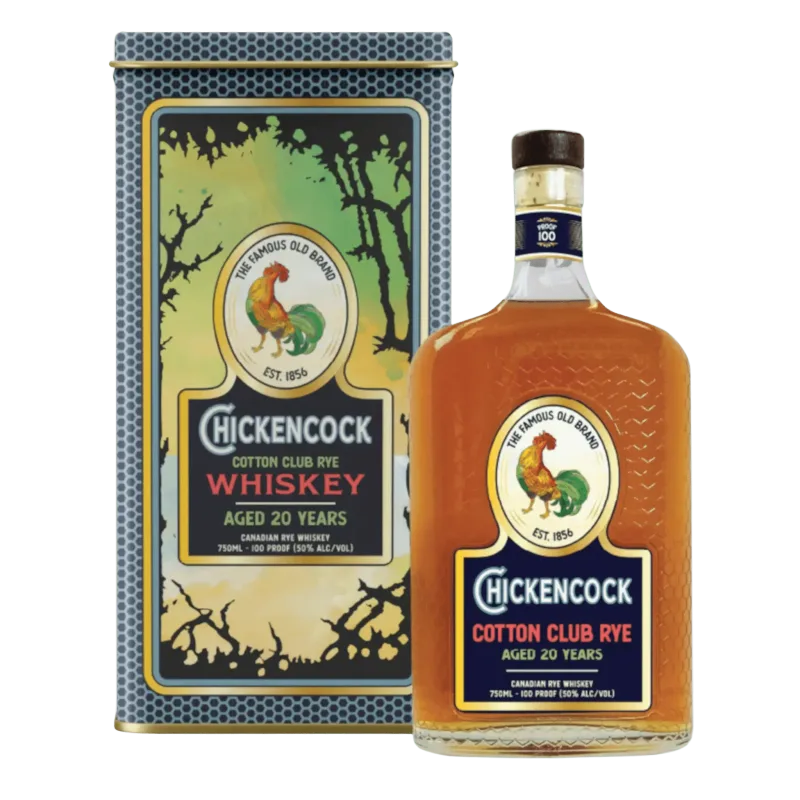
Crown Royal and Canadian Club lead the Canadian section, followed by Seagram's, Alberta Distillers, Hiram Walker, Gooderham & Worts and J.P. Wiser's. Glenora brings single malt from Nova Scotia, and smaller names such as Signal Hill and Macaloney's show the newer side. Many bottles are older blends from the 1970s to 1990s, often in 1L or larger American-market sizes.
Canadian whisky must be made and aged in Canada, in small wood barrels, for at least three years, and bottled at 40% ABV or more. Most producers distil each grain separately: a light base whisky, usually from corn, and heavier flavouring whiskies from rye, barley or wheat. These are aged apart and blended before bottling. Canadian law allows a small share of other spirits or wine in the blend.
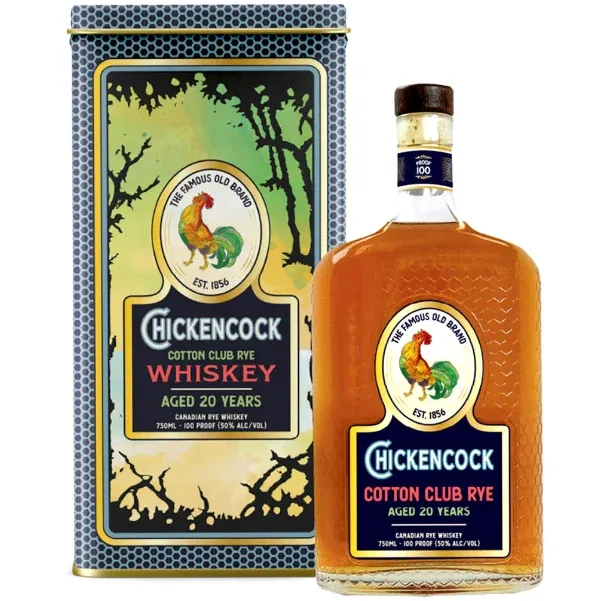
Canadian whisky is often called "rye" on labels and in bars, even when rye is a small part of the recipe. The name dates from the nineteenth century, when adding rye to corn whisky gave Canadian distillers their distinctive style. Alberta Distillers is one of the few making whisky mostly or entirely from rye.
Canadian whisky is often called rye because nineteenth-century Canadian distillers added rye grain to their corn whisky for flavour, and the name stuck. Today many Canadian whiskies contain only a little rye, though the law still allows the term. Some, such as those from Alberta Distillers, are made mostly from rye.
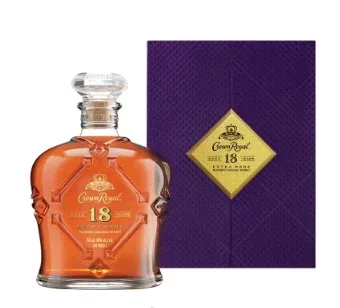
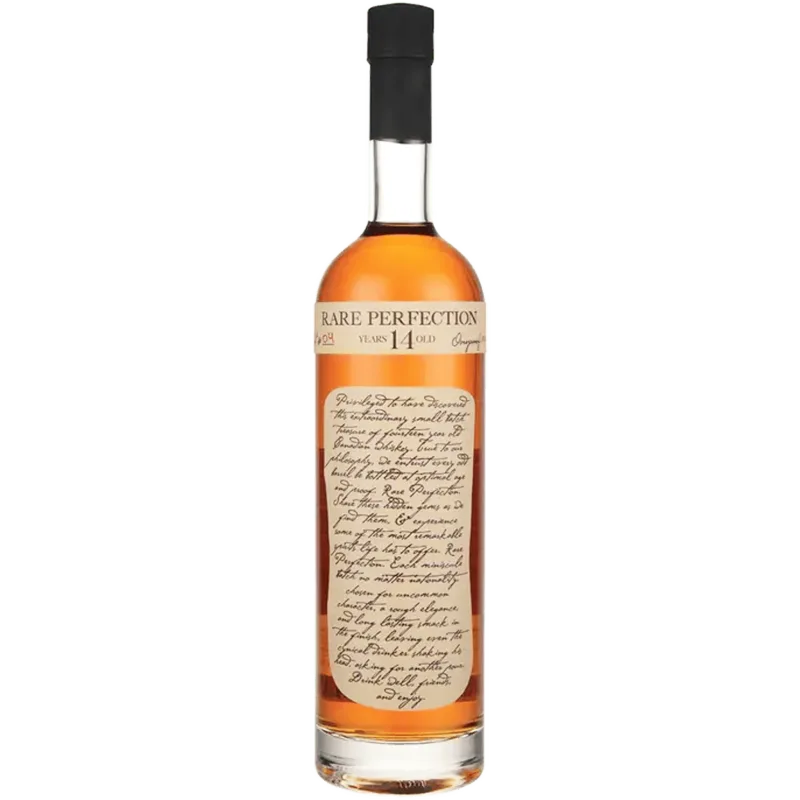
Canadian whisky must be aged for at least three years in small wood barrels in Canada. Many brands age longer, and the label states an age if one is claimed. Older blends such as Canadian Club 12 or Crown Royal special editions carry longer age statements.
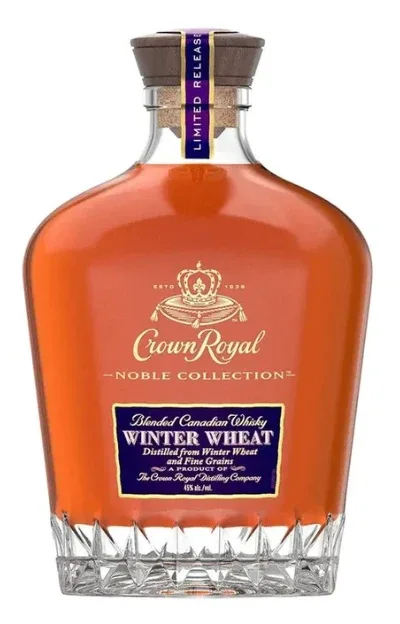
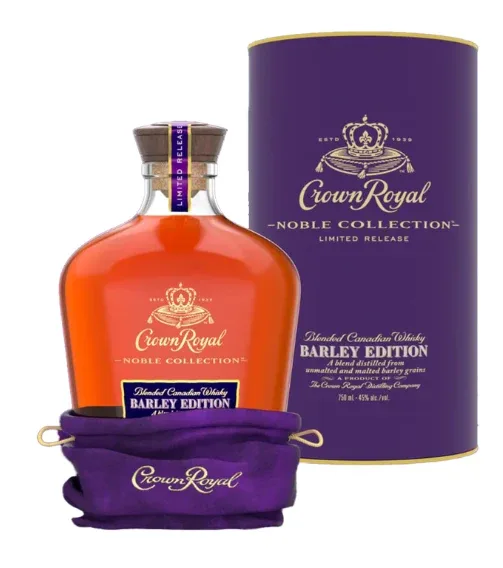
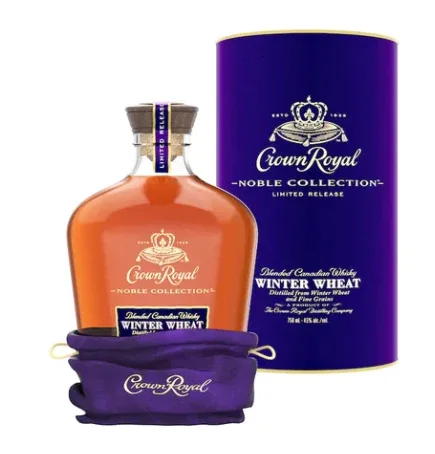
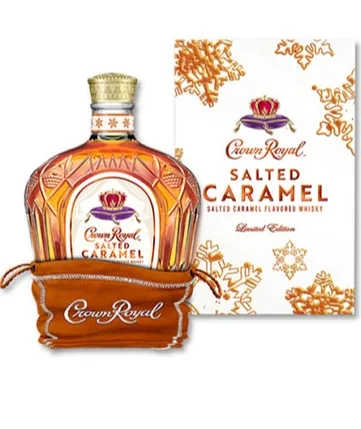
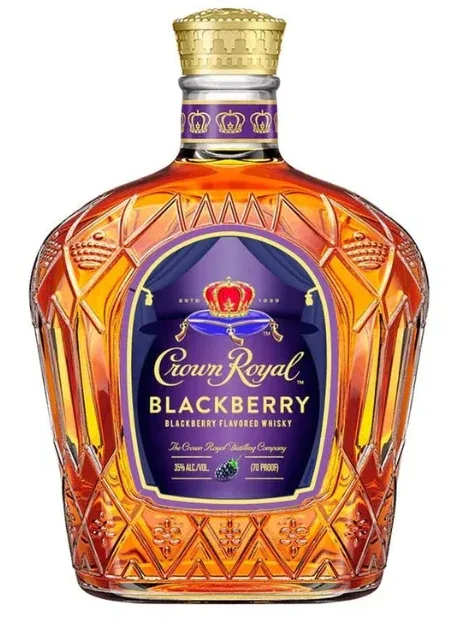
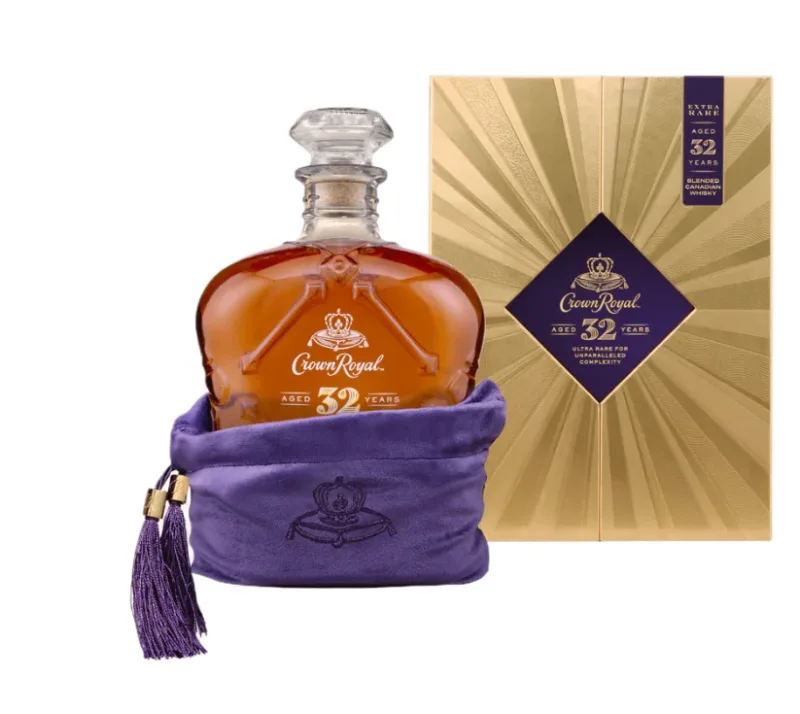
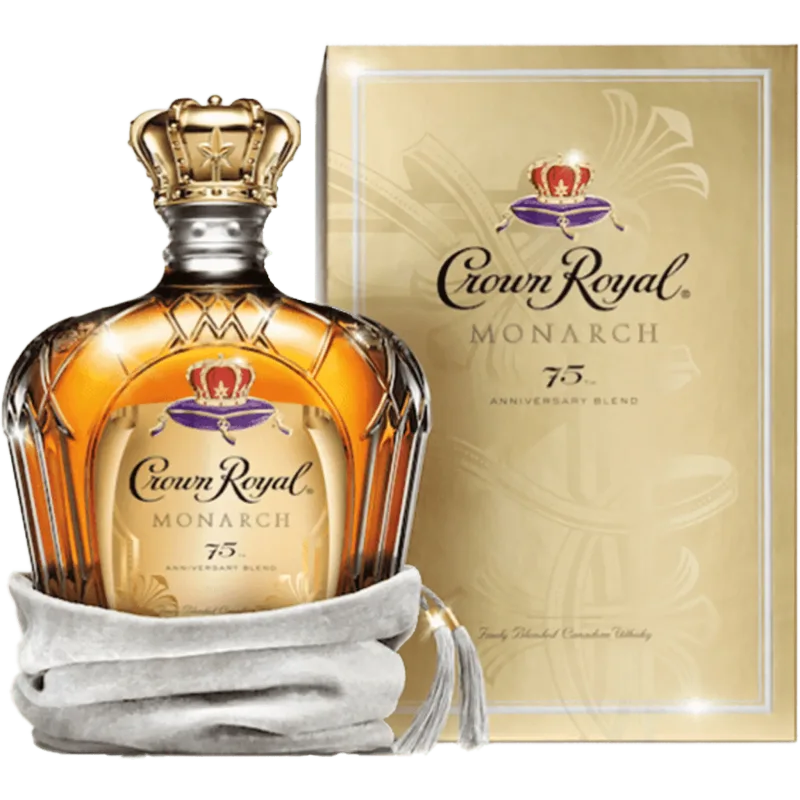
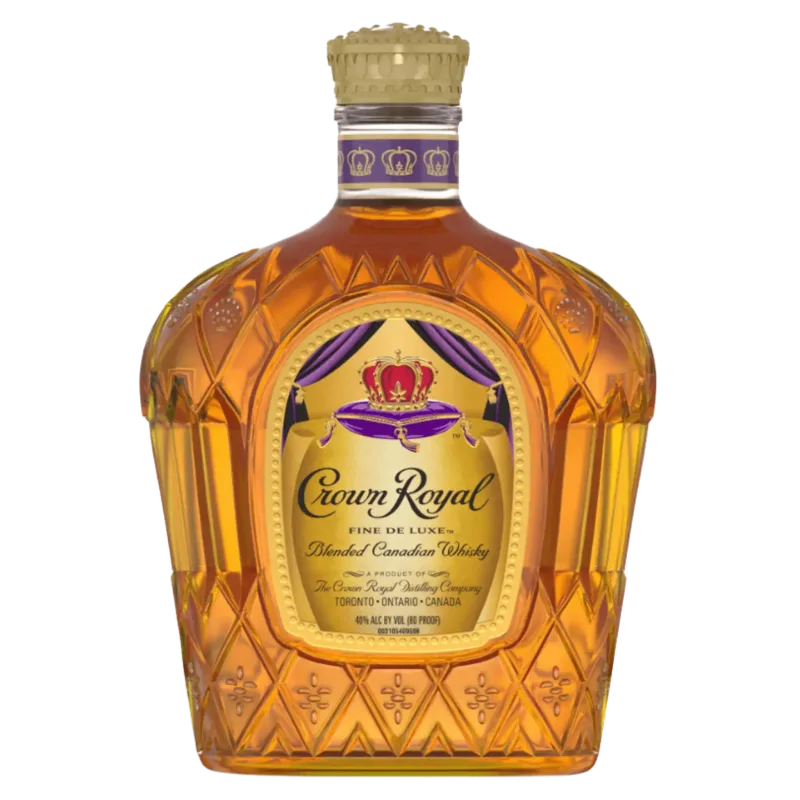
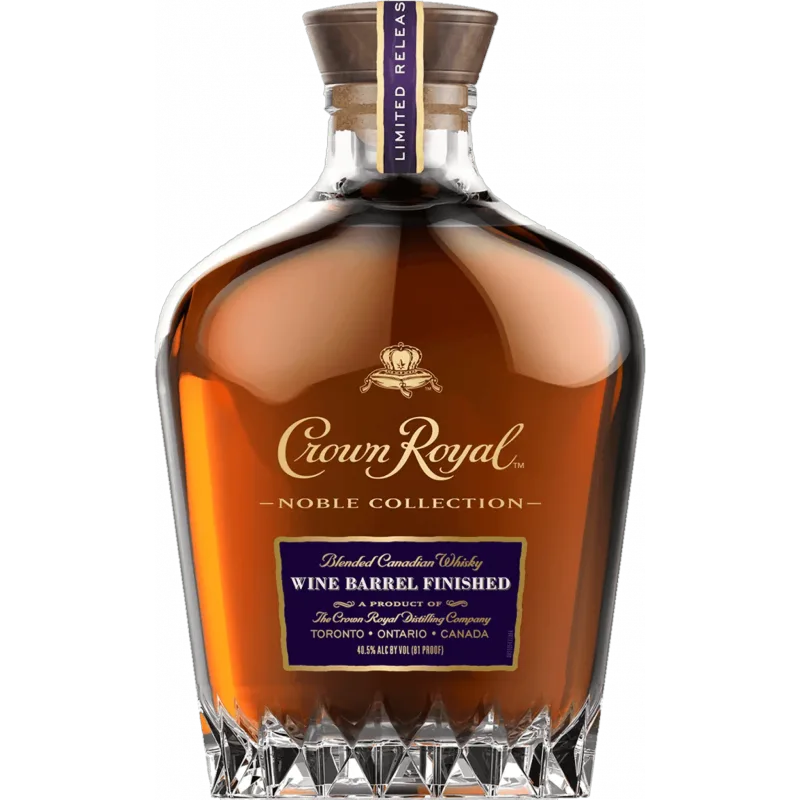
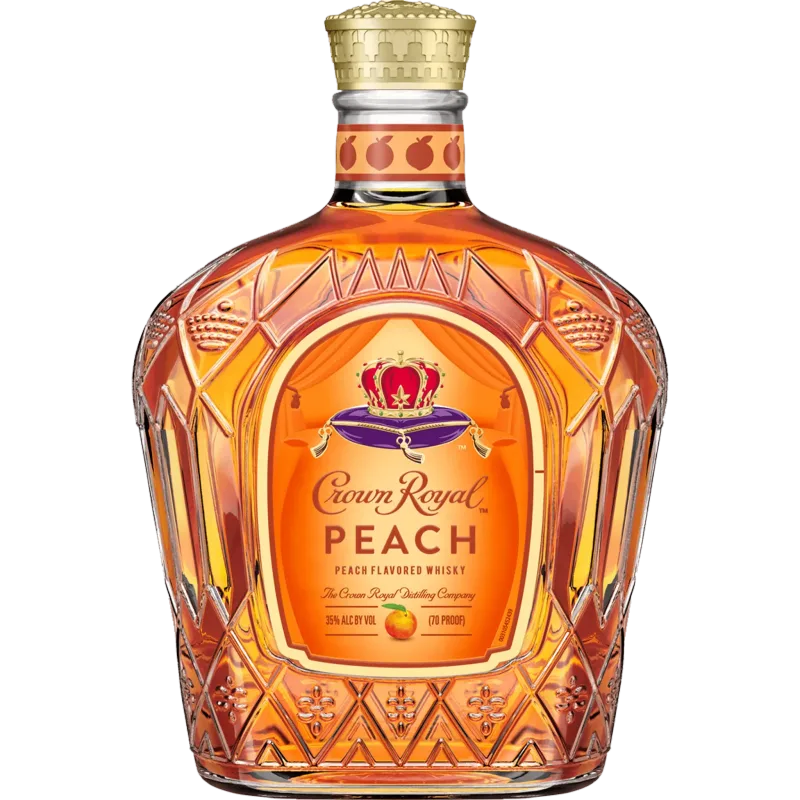
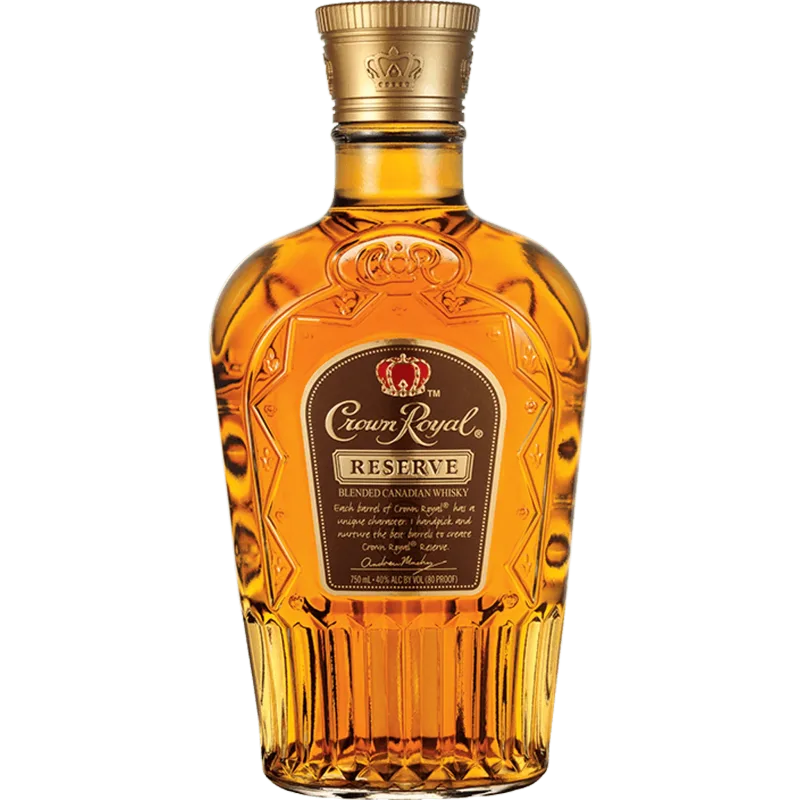
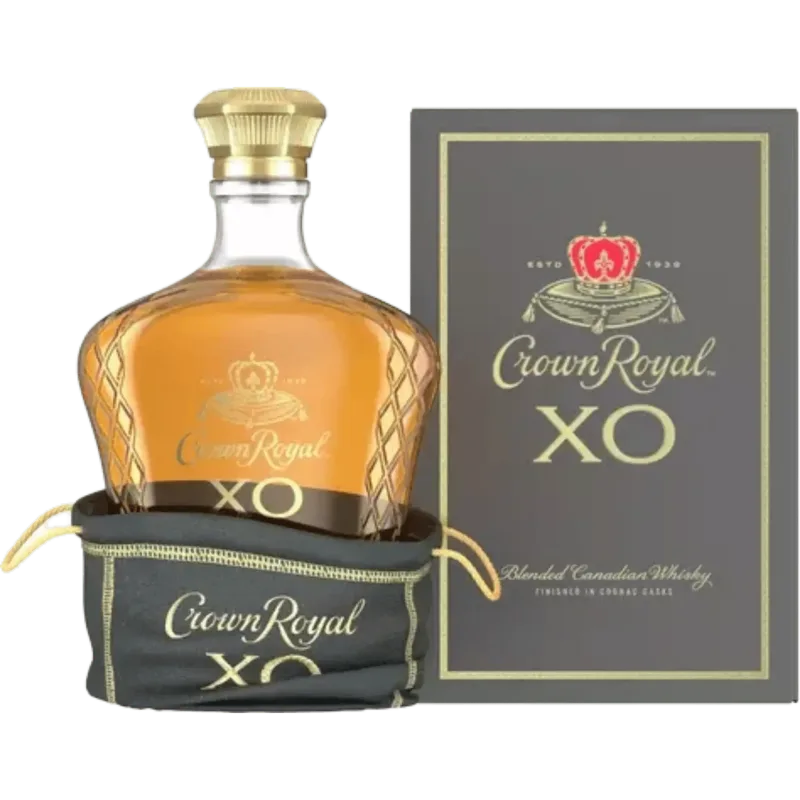
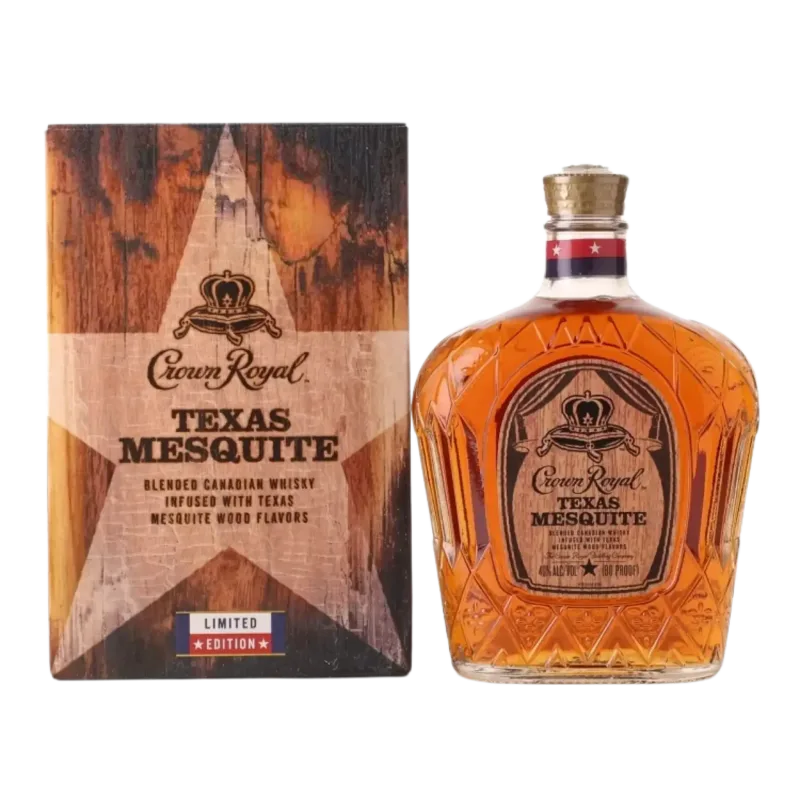
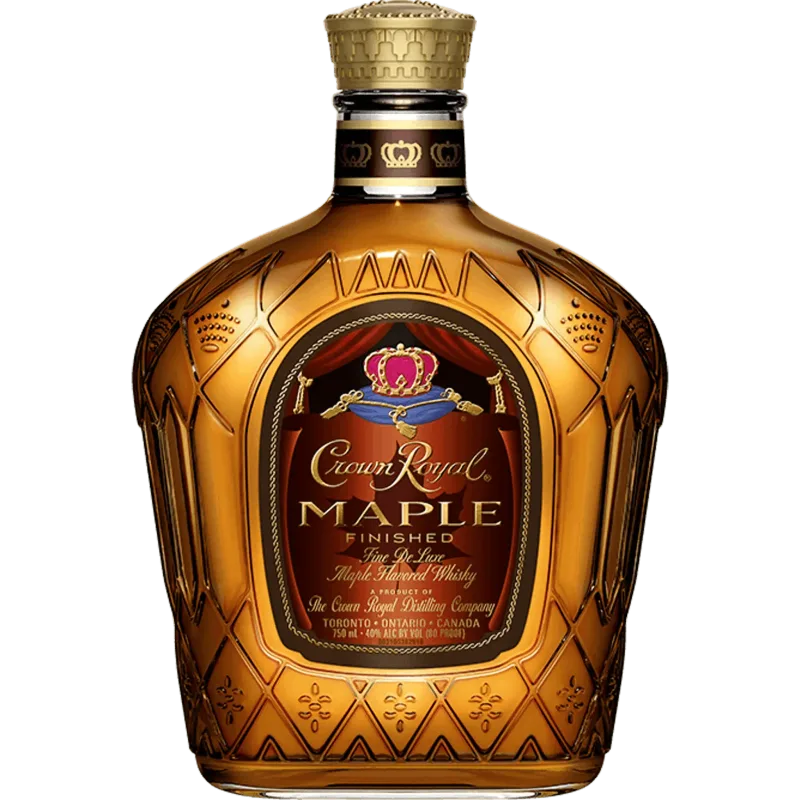
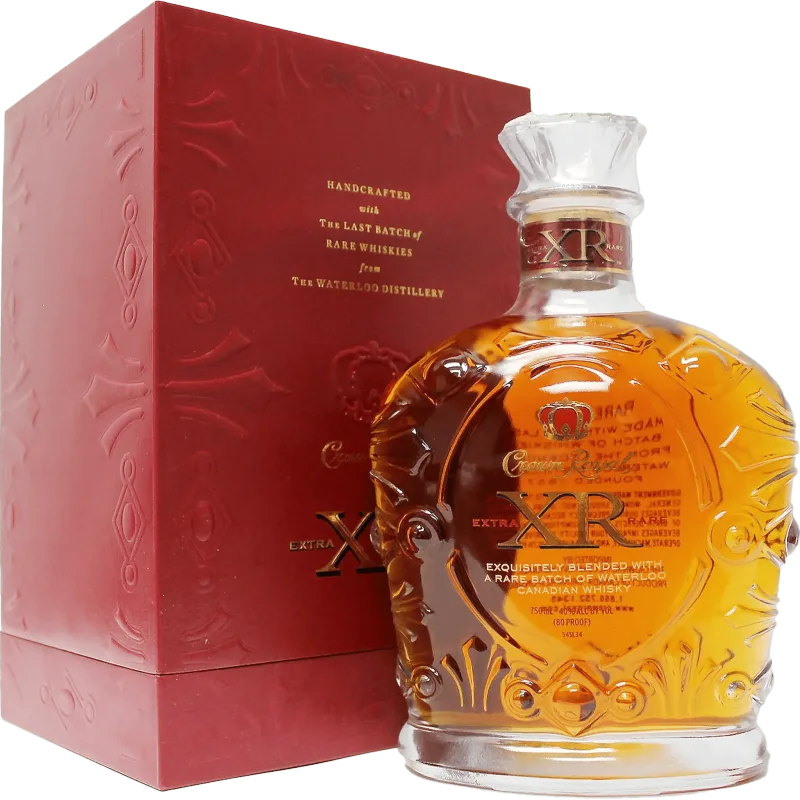
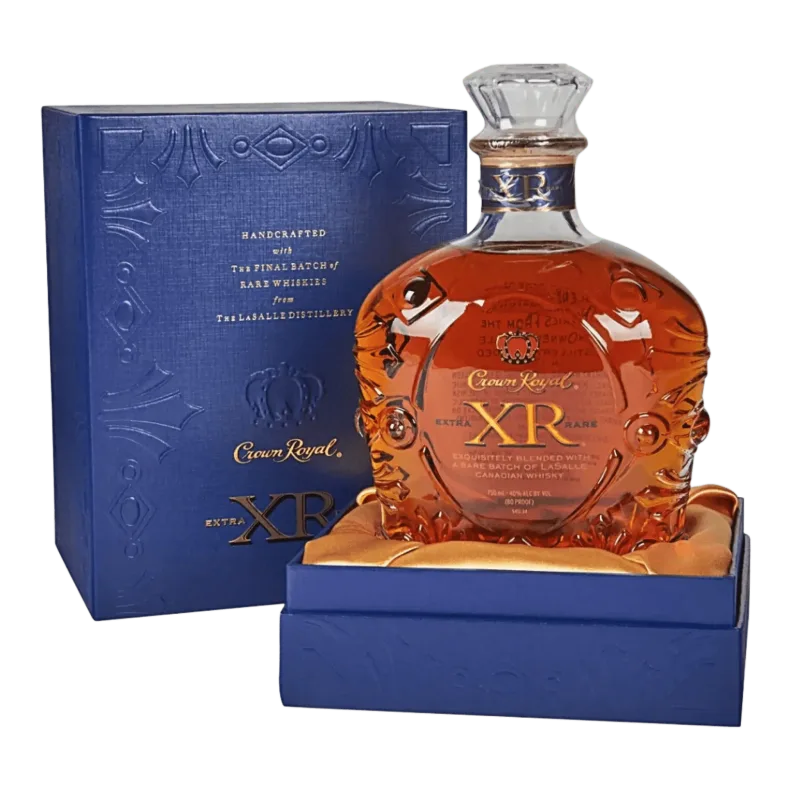
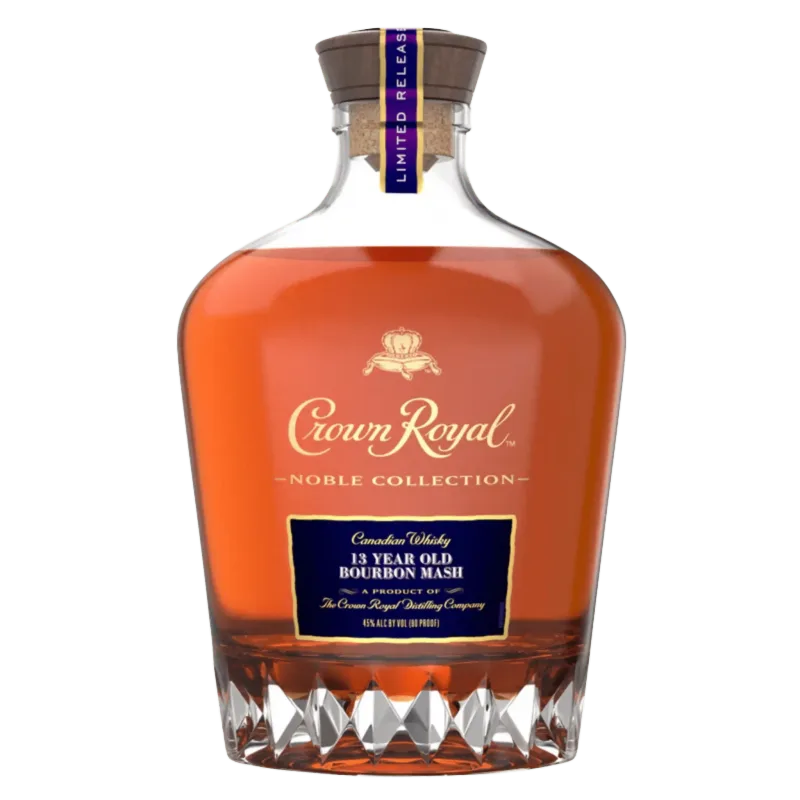
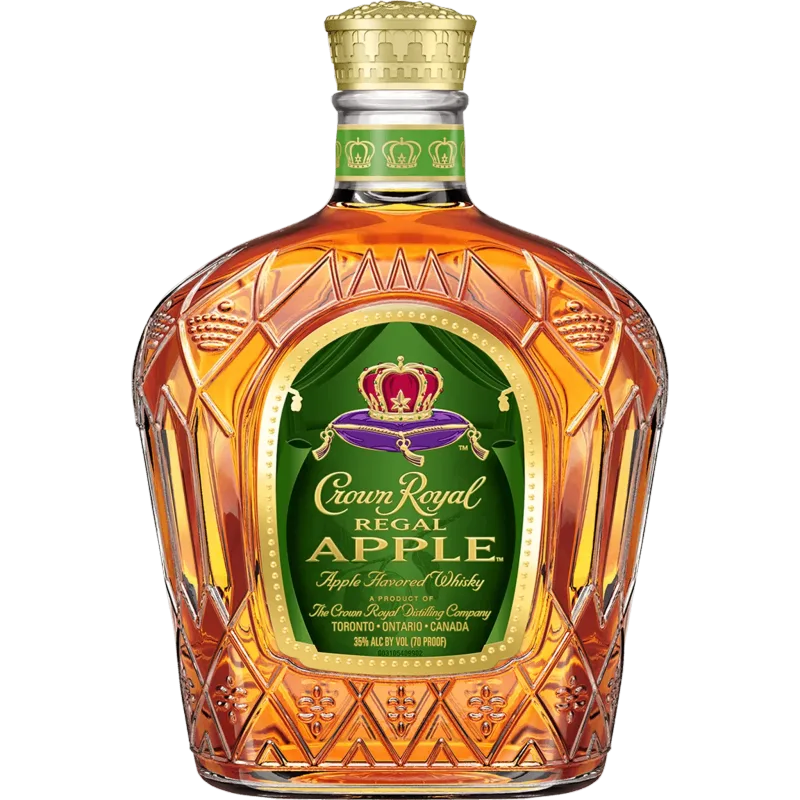
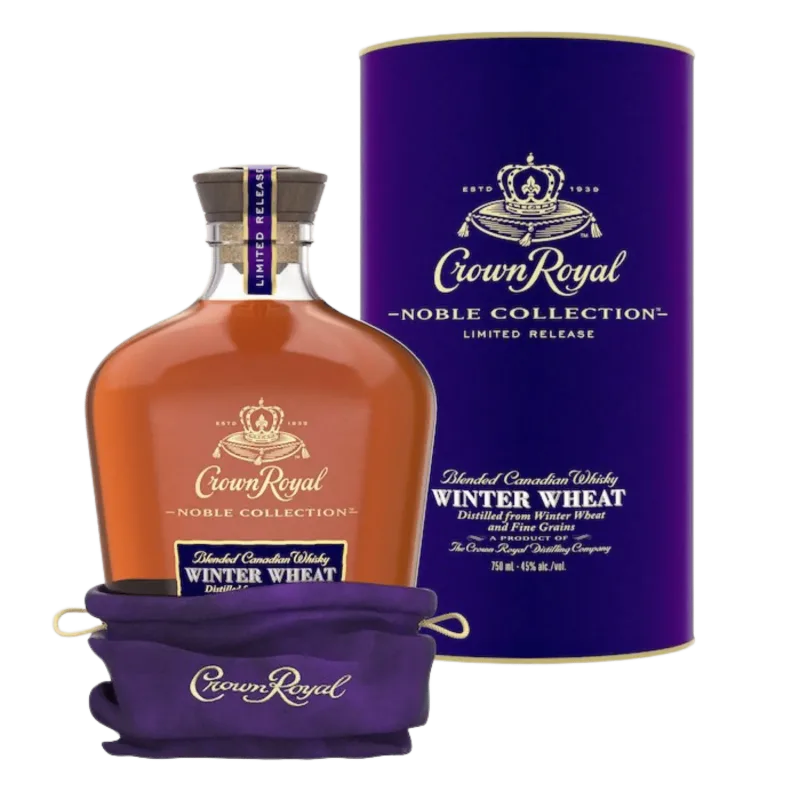
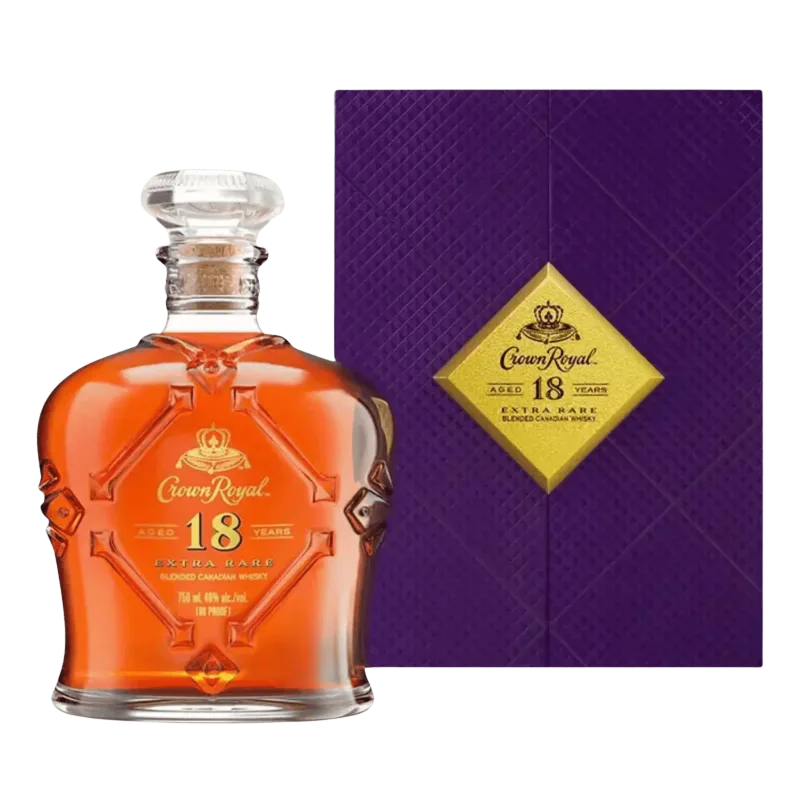
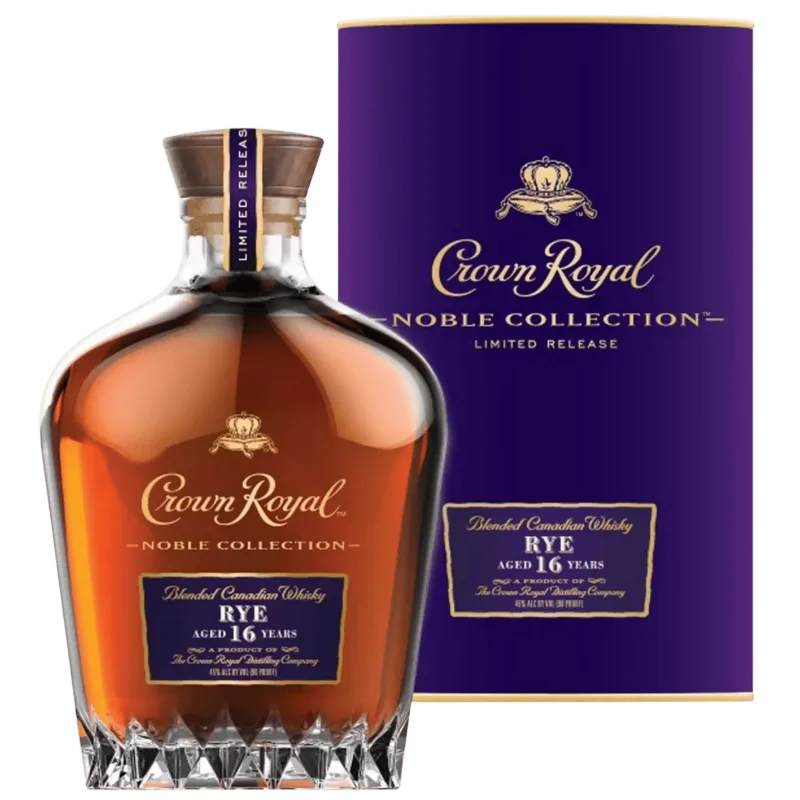
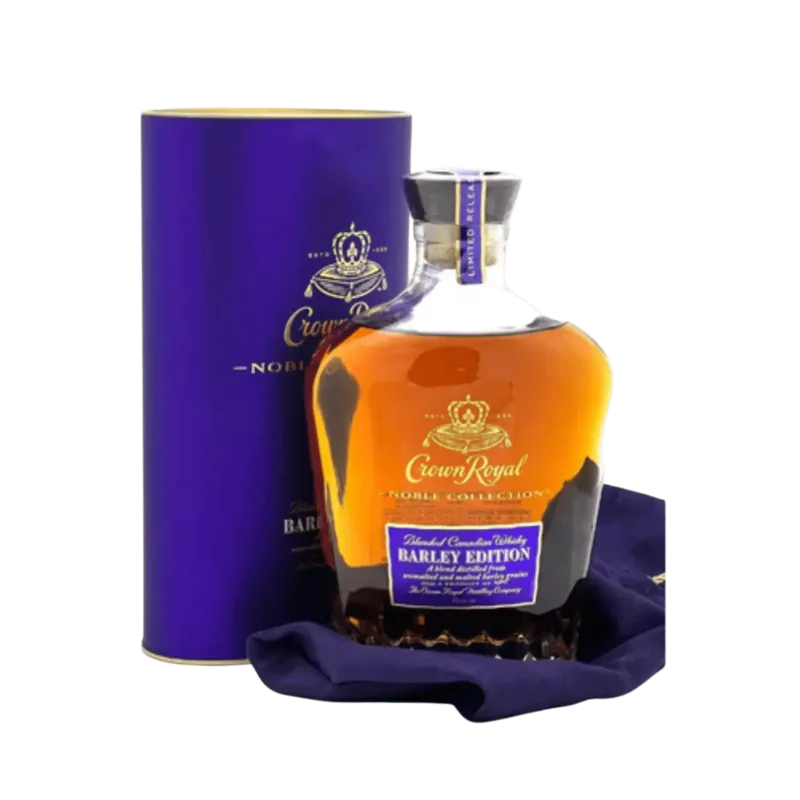
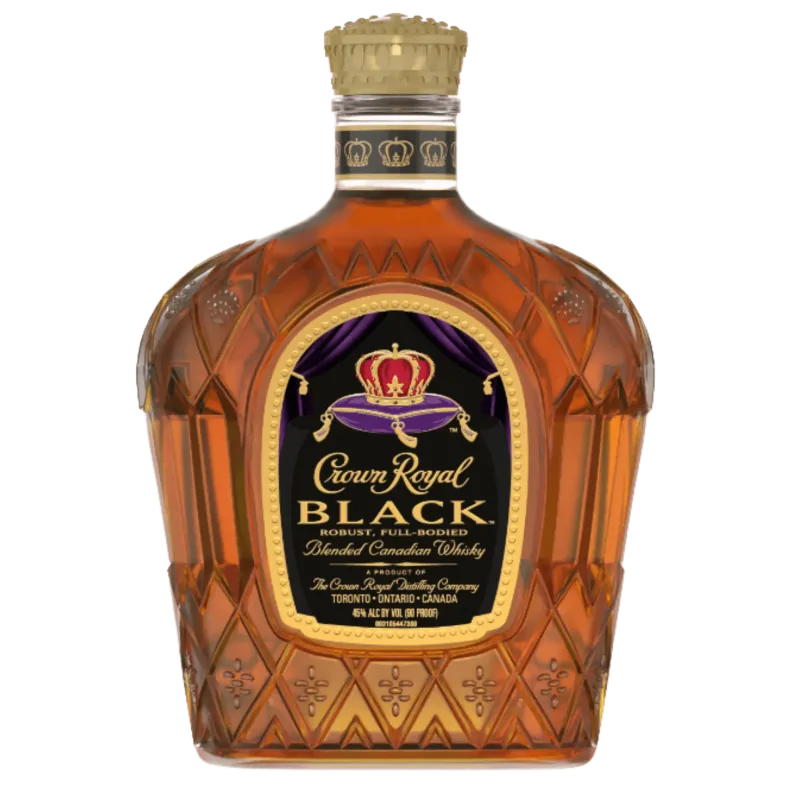
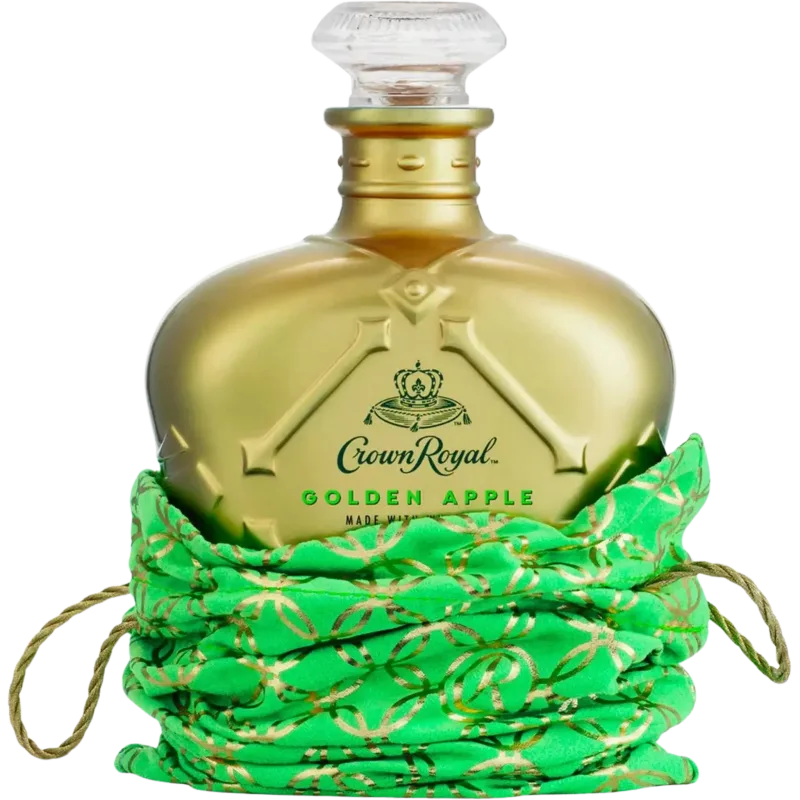
Crown Royal is a blended Canadian whisky first made in 1939 by Seagram to mark the visit of King George VI and Queen Elizabeth to Canada. It is now produced at Gimli, Manitoba, and is known for its purple cloth bag. Limited releases and older bottlings are collected alongside the standard Deluxe.
Most Canadian whisky is a blend of separately distilled and aged grain whiskies, typically a light corn base whisky mixed with fuller rye, barley or wheat flavouring whiskies. Some producers make single malt or 100% rye whisky. Canadian law also permits a small proportion of other spirits or wine.
Bourbon must be made in the USA from at least 51% corn and aged in new charred oak, while Canadian whisky has no fixed grain recipe and can use new or used barrels. Canadian whisky is usually blended from separately distilled grains and tends to be lighter and smoother. Both must be at least 40% ABV.
About Glenbotal
Glenbotal is an online marketplace for rare, collectable and limited-edition whisky and other spirits. Bottles are listed by partner shops and private sellers, each described as it is, and delivered to the UK and many other countries. Looking for one bottle in particular? Ask us through Find my bottle.