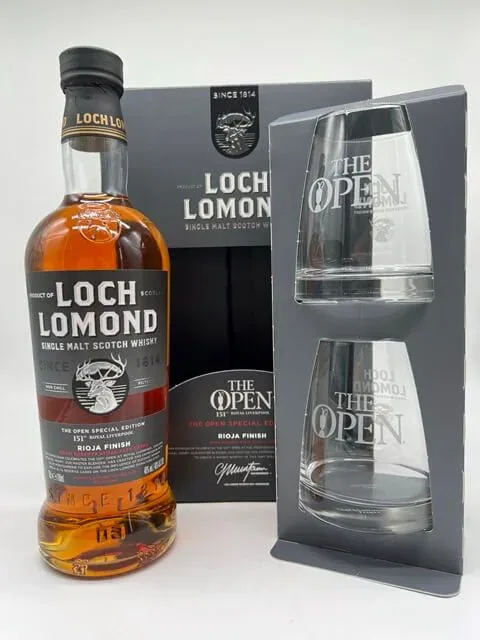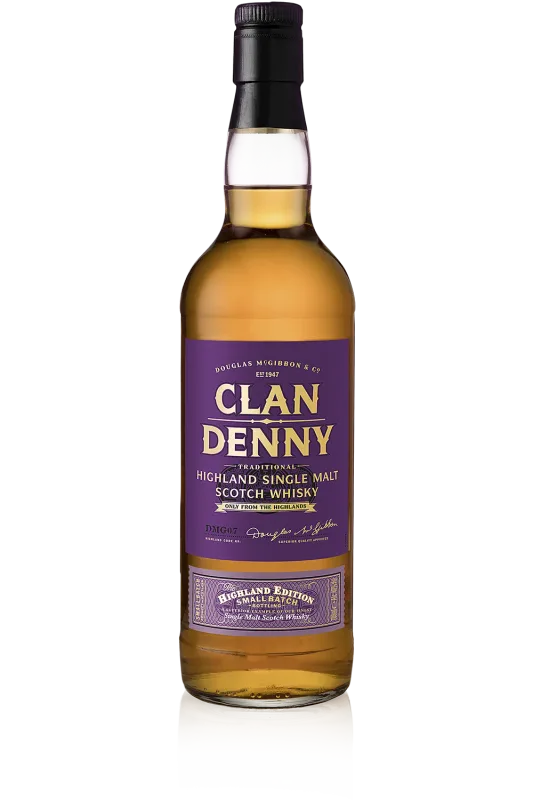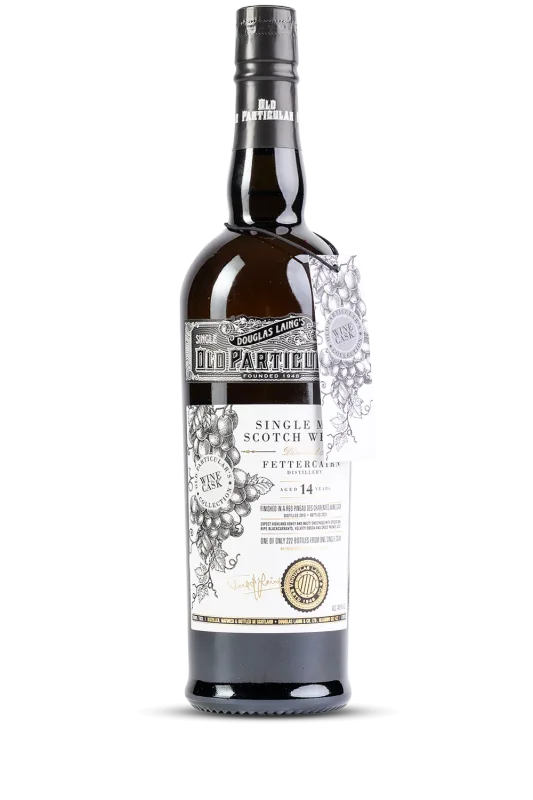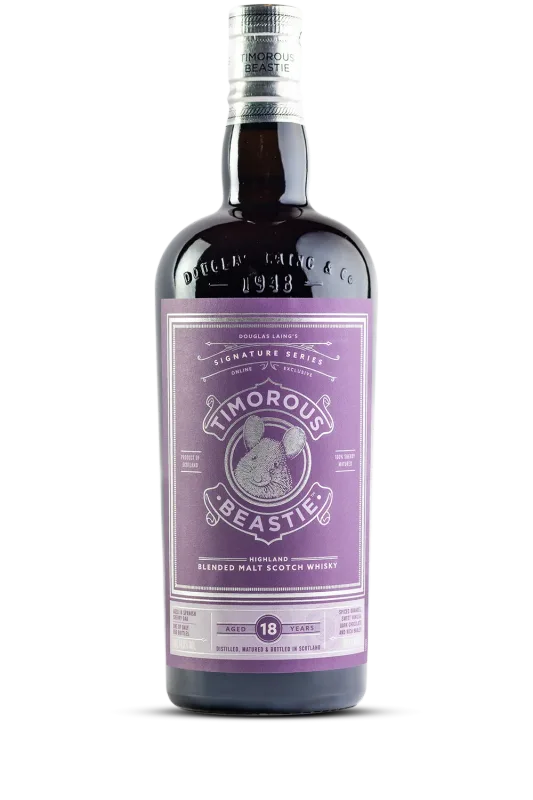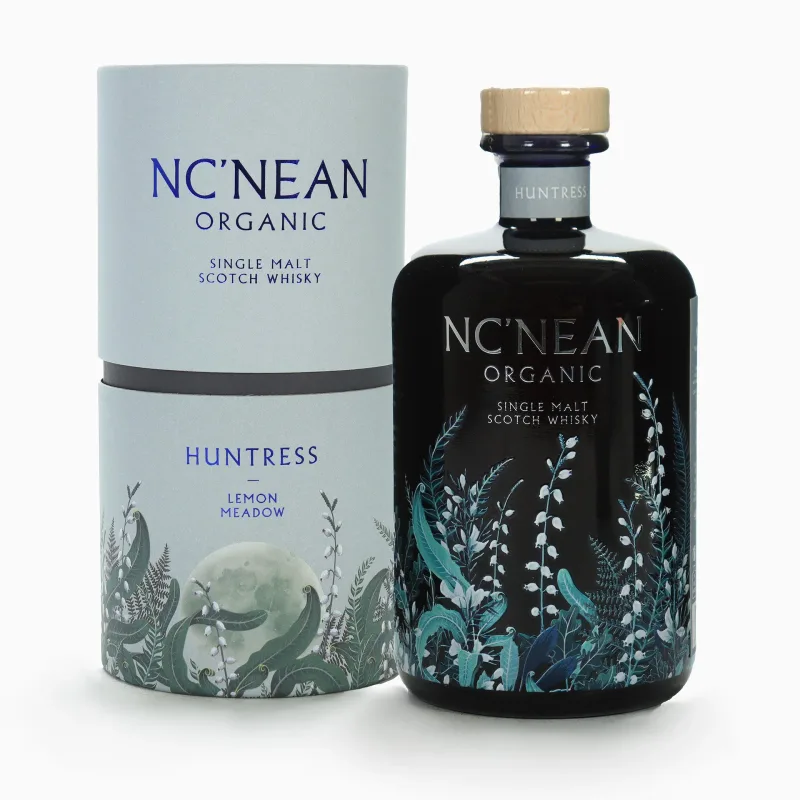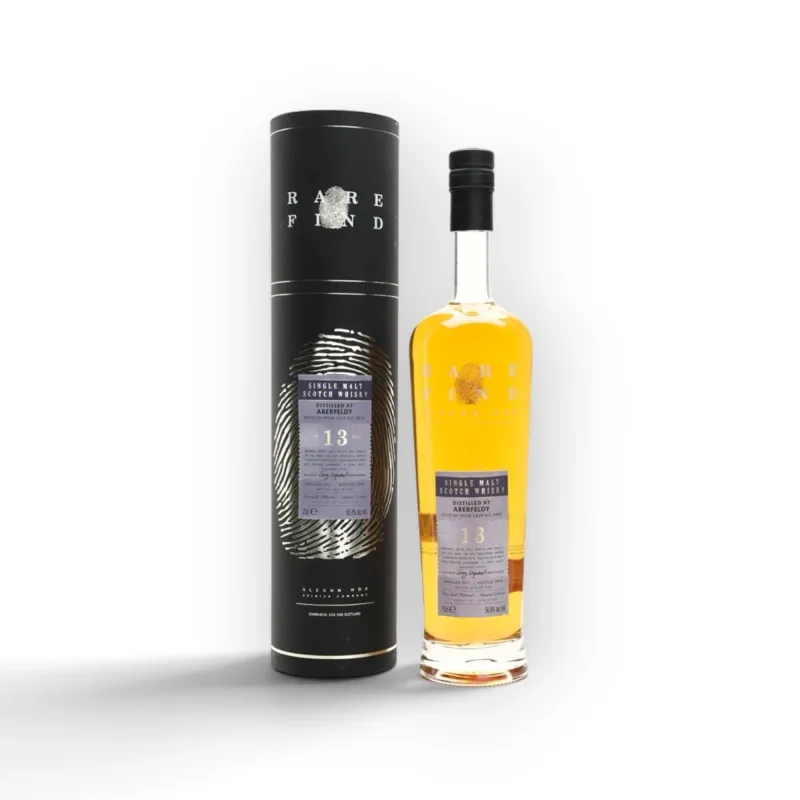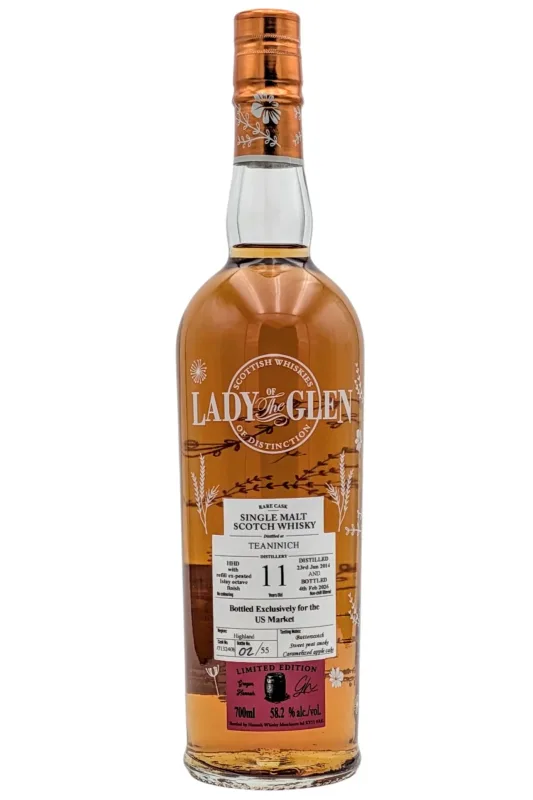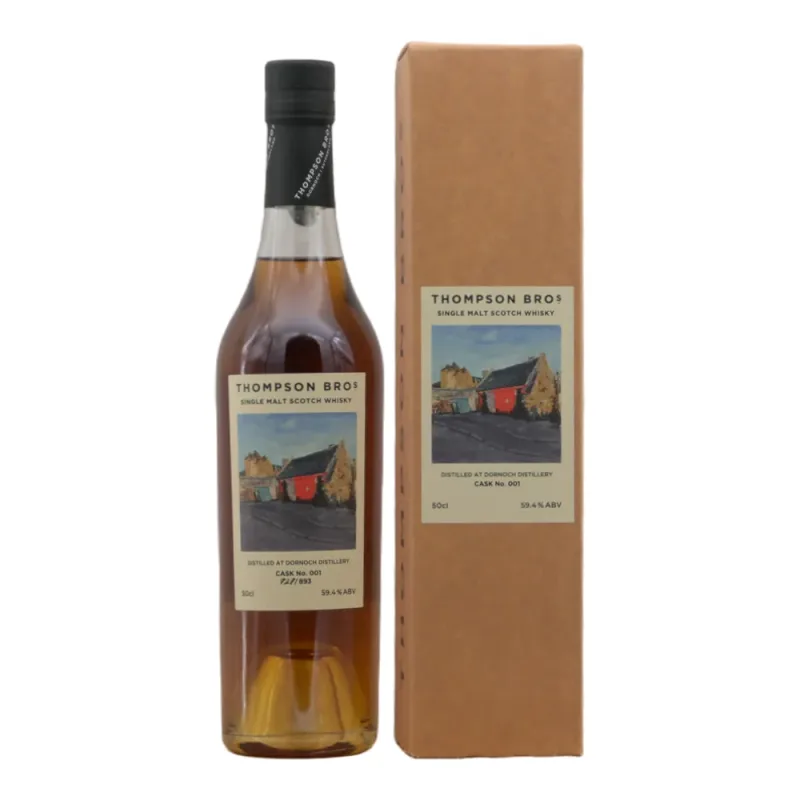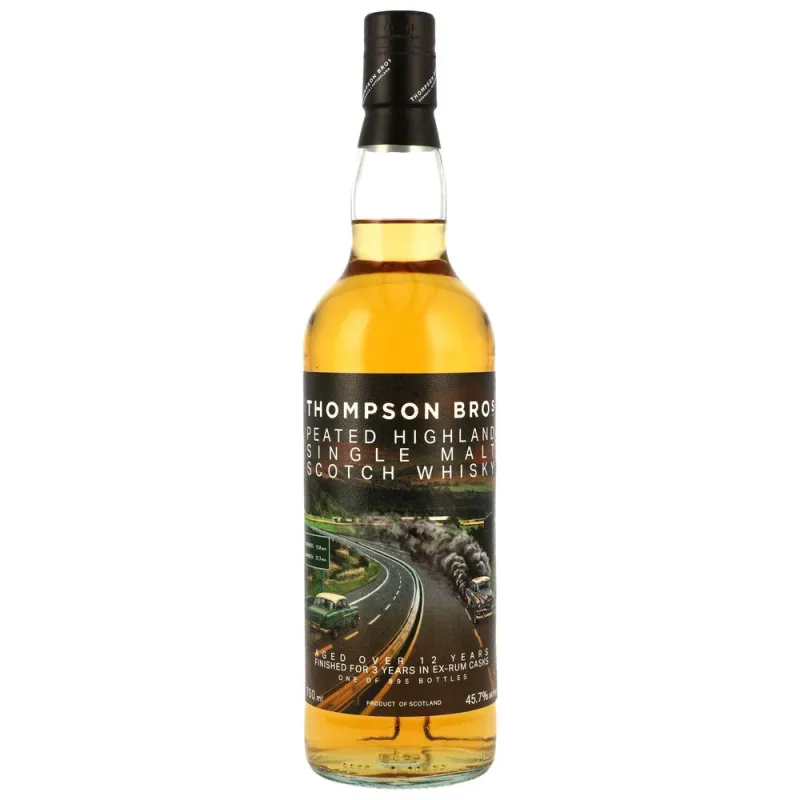
Thompson Bros. 12 Year Old Rum Casks
70cl / 45.7%
US$79.00

Scotland
Rest of the world
2226 bottles
70cl / 45.7%
US$79.00
70cl
US$919.00
70cl / 55.9%
US$539.00
70cl
US$319.00
70cl / 54.9%
US$1,059.00
70cl / 40%
US$279.00
70cl / 56.6%
US$139.00
70cl / 58.4%
US$769.00
70cl / 43%
US$289.00
70cl / 46%
US$89.00
70cl / 40%
US$89.00
70cl
US$109.00
70cl / 55.4%
US$759.00
70cl / 46%
US$69.00
70cl / 40%
US$49.00
48.4%
US$169.00
70cl / 44.8%
US$149.00
70cl / 48%
US$109.00
70cl / 46%
US$89.00
70cl / 40%
US$179.00
70cl / 46%
US$89.00
70cl / 46%
US$129.00
70cl / 43%
US$89.00
70cl / 43%
US$209.00
70cl / 46.8%
US$1,699.00
70cl / 43%
US$149.00
70cl / 40%
US$89.00
70cl / 48.9%
US$399.00
70cl / 42%
US$23,109.00
20cl / 46%
US$39.00
70cl / 46%
US$219.00
70cl / 54.8%
US$2,049.00
70cl / 46%
US$99.00
70cl / 40%
US$109.00
70cl / 46%
US$129.00
70cl / 55.6%
US$729.00
70cl / 40%
US$79.00
70cl / 57.1%
US$169.00
70cl / 59.2%
US$129.00
70cl / 59%
US$139.00
70cl / 50%
US$119.00
70cl / 48.5%
US$169.00
70cl / 56.8%
US$149.00
70cl / 58.2%
US$149.00
50cl / 59.4%
US$769.00
70cl / 40%
US$79.00
US$1,159.00
70cl / 61%
US$109.00
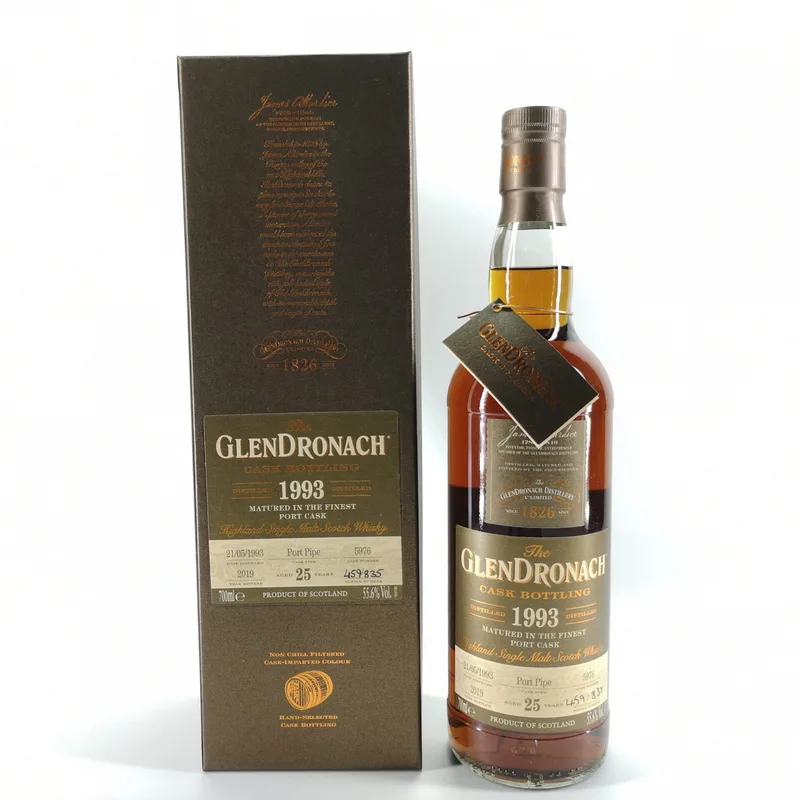
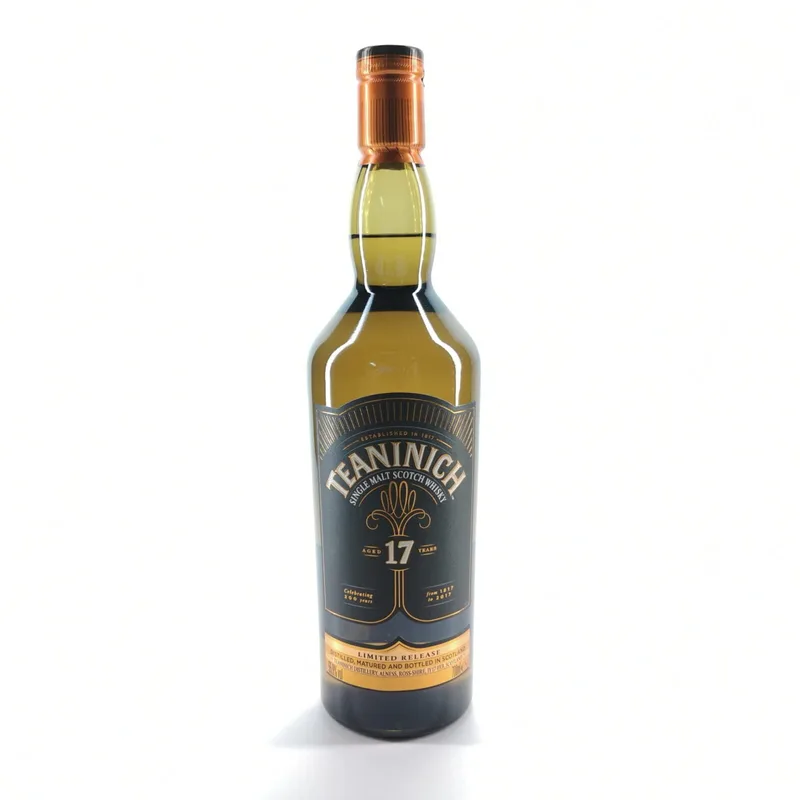
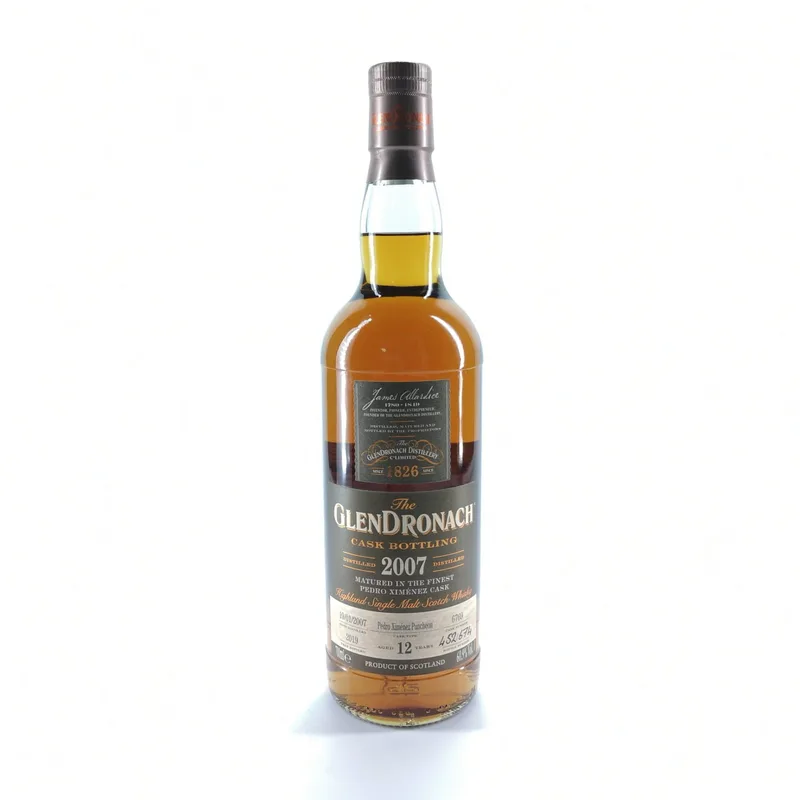
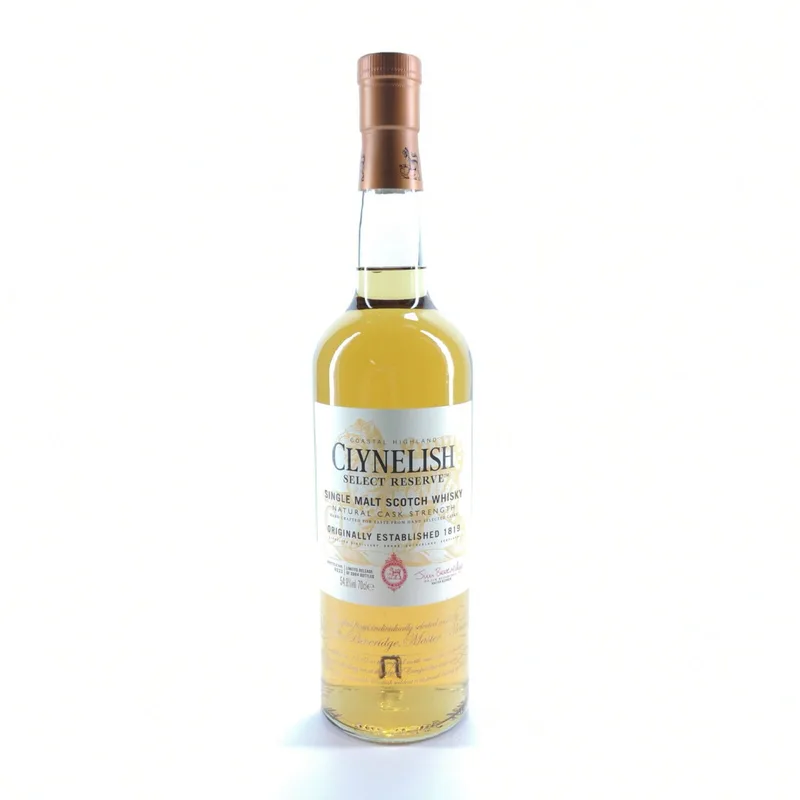
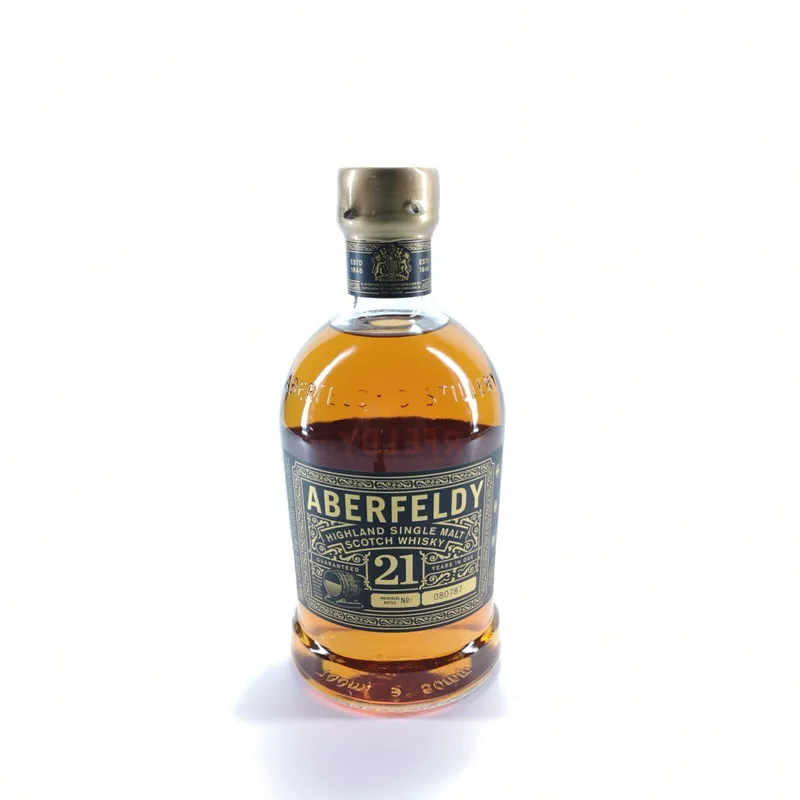
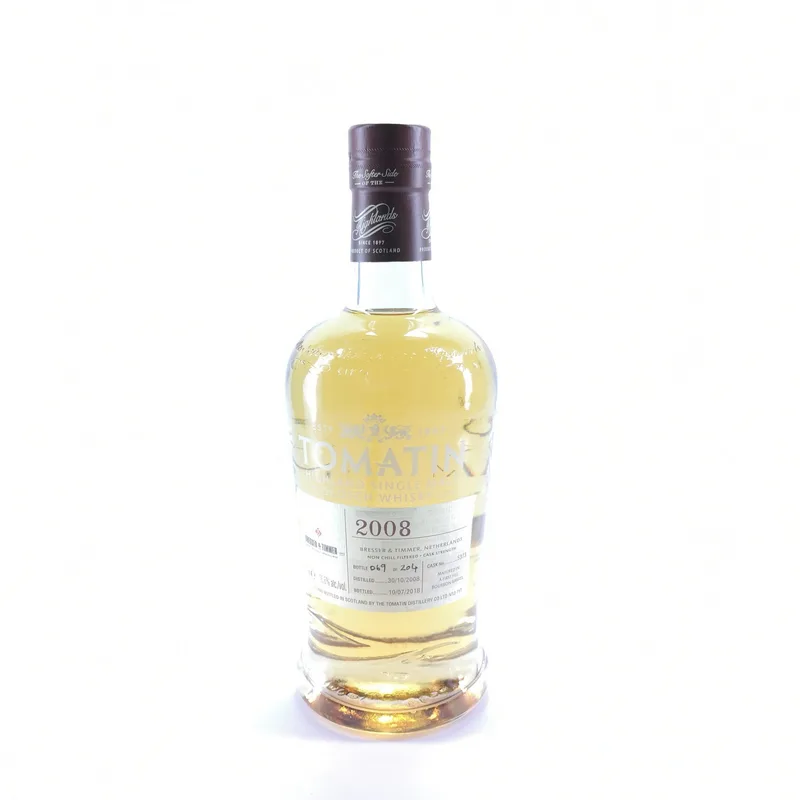
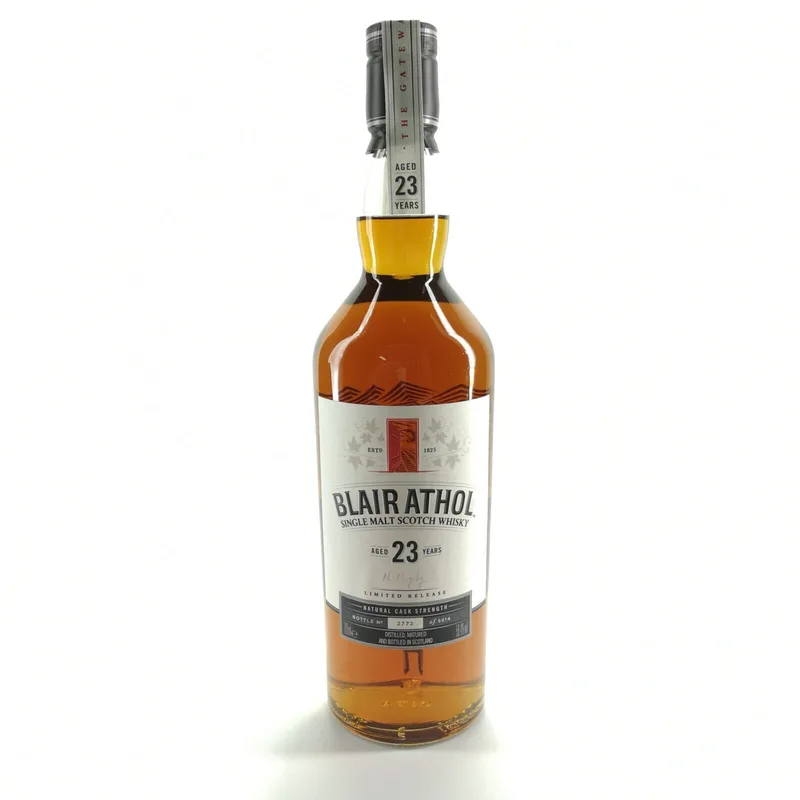
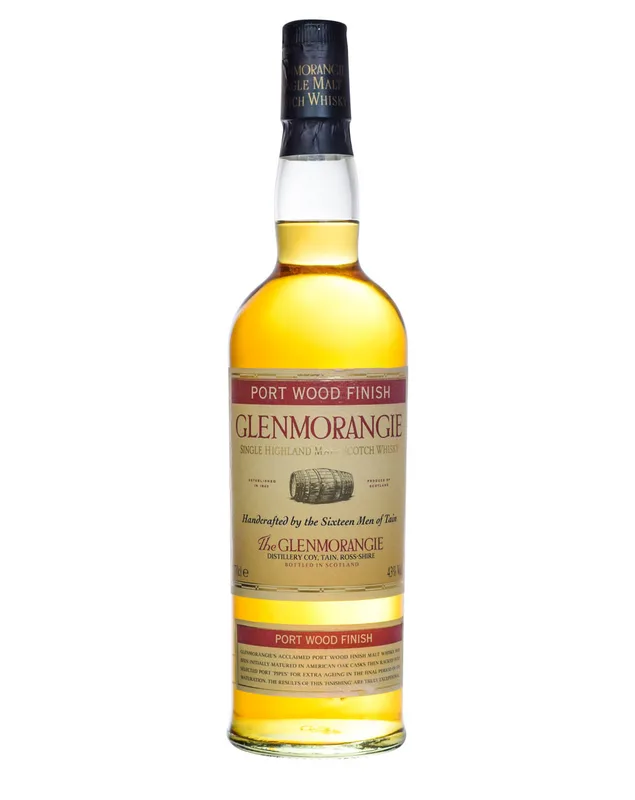
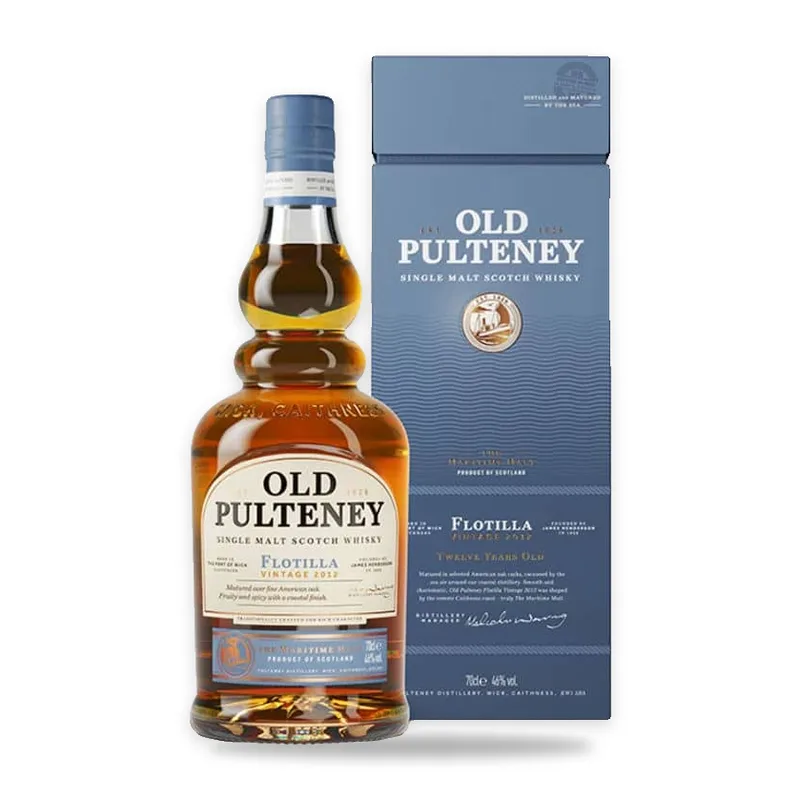
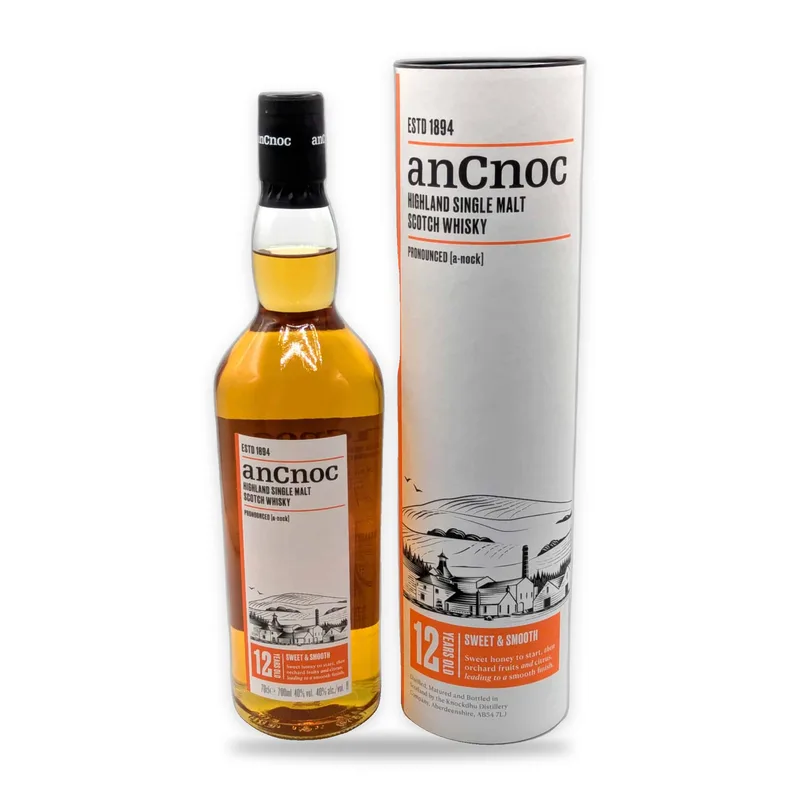
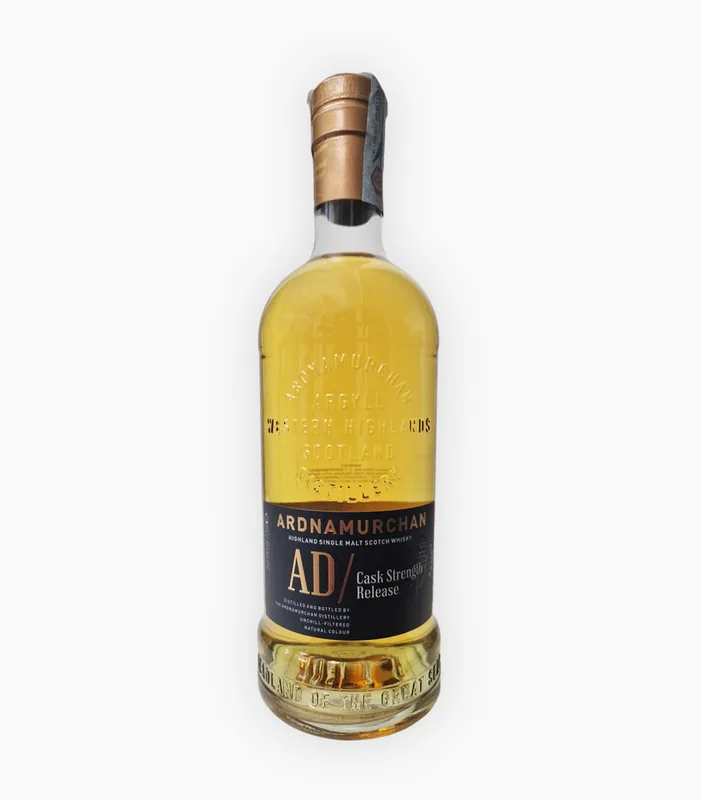
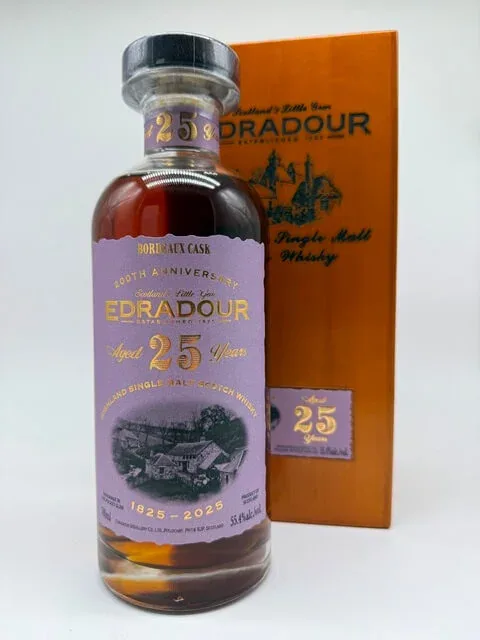
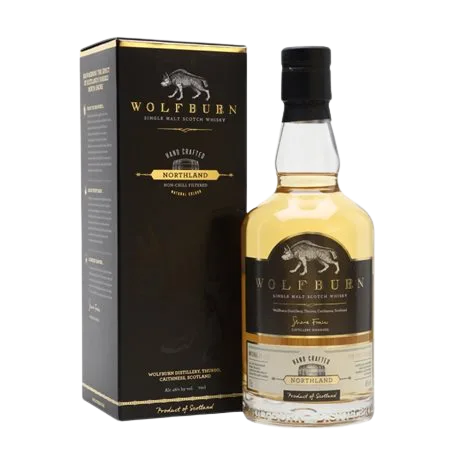
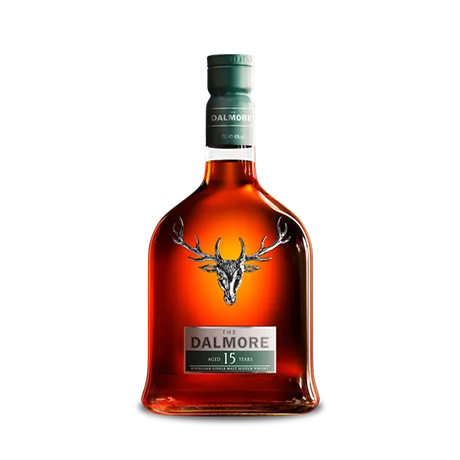
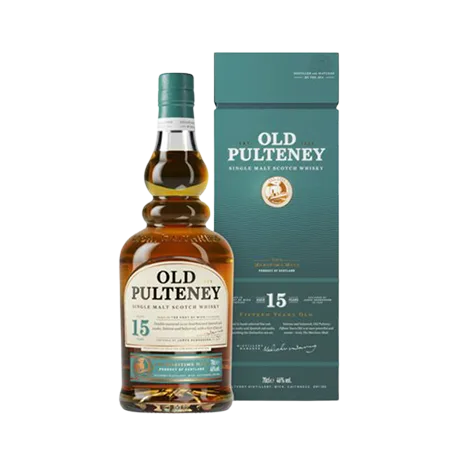
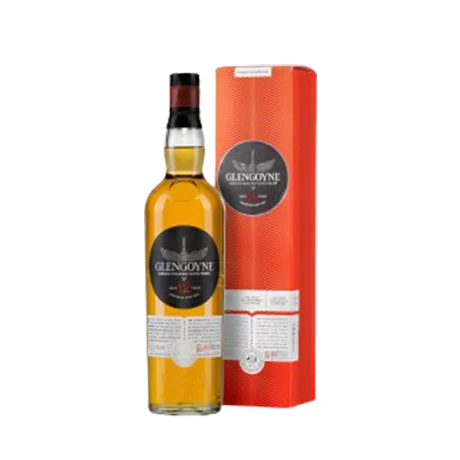
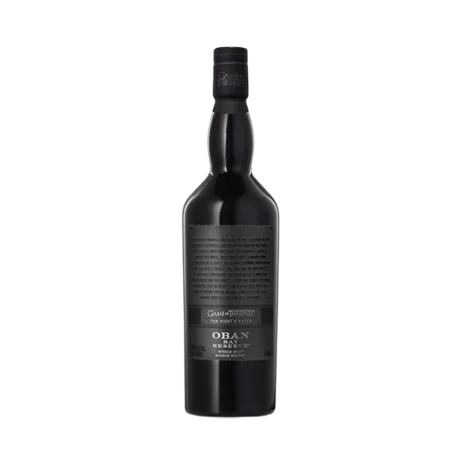
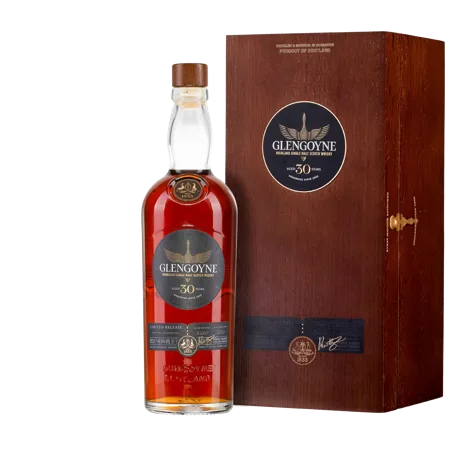
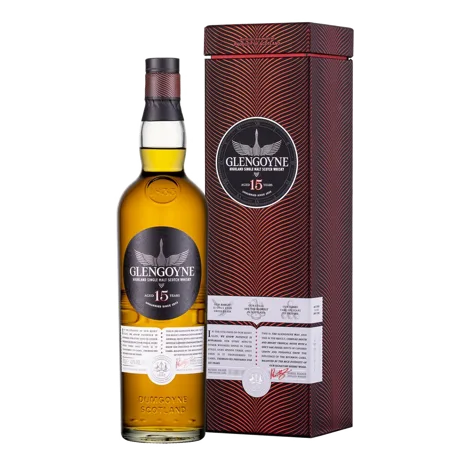
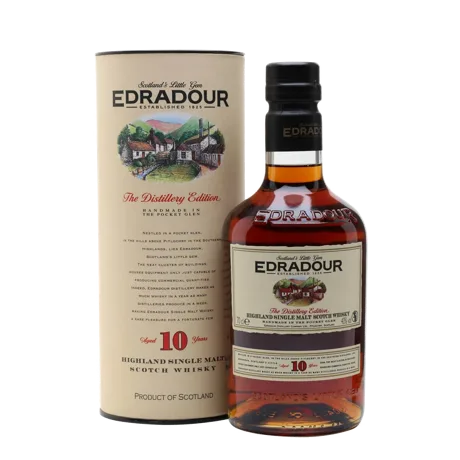
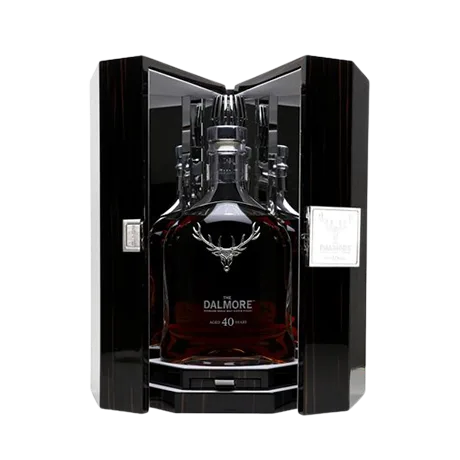
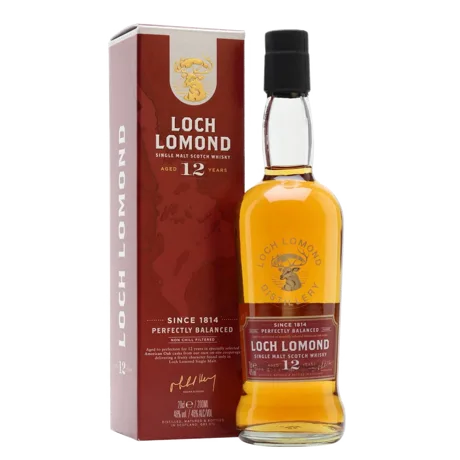
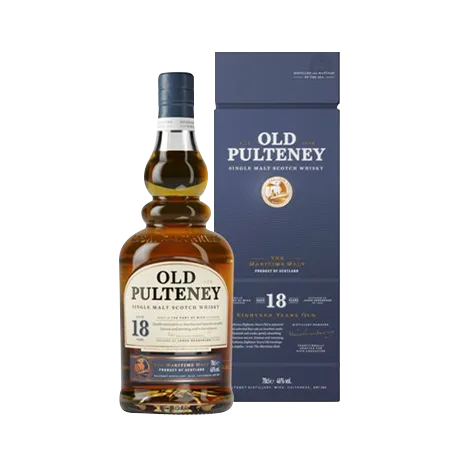
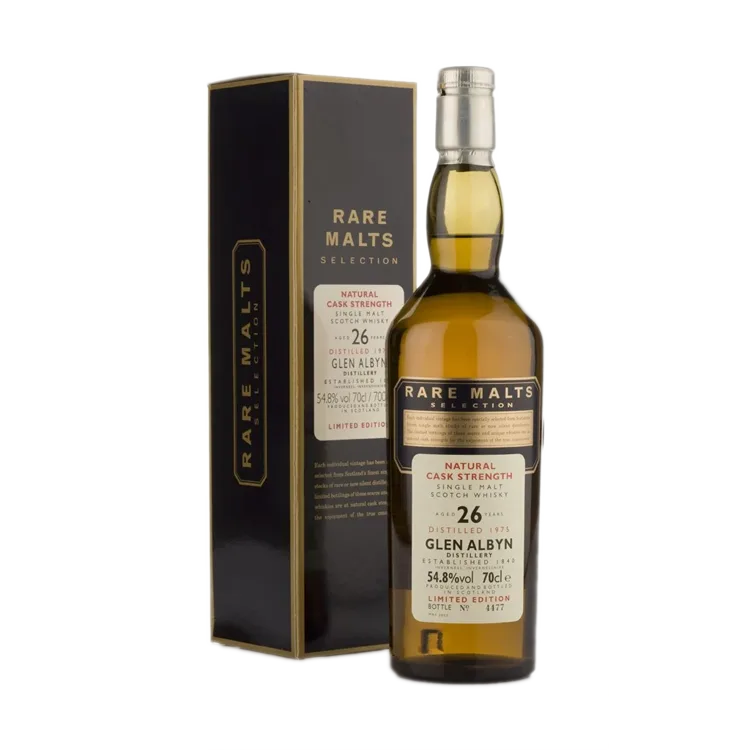
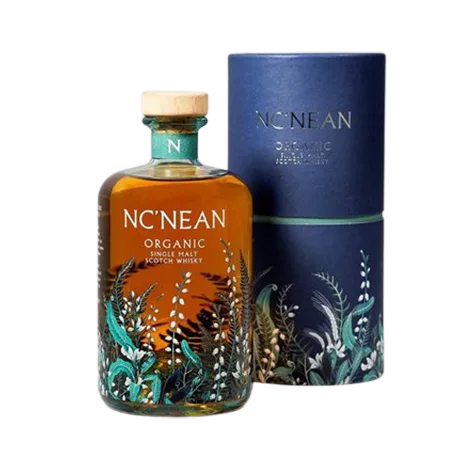
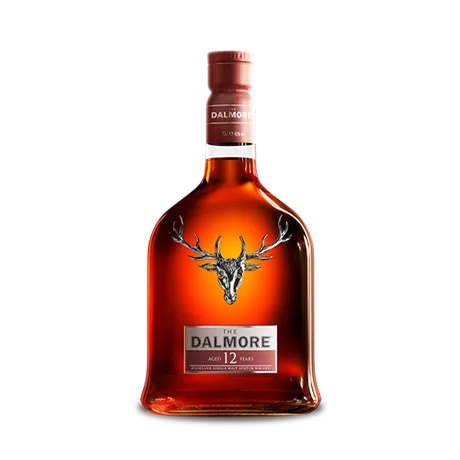
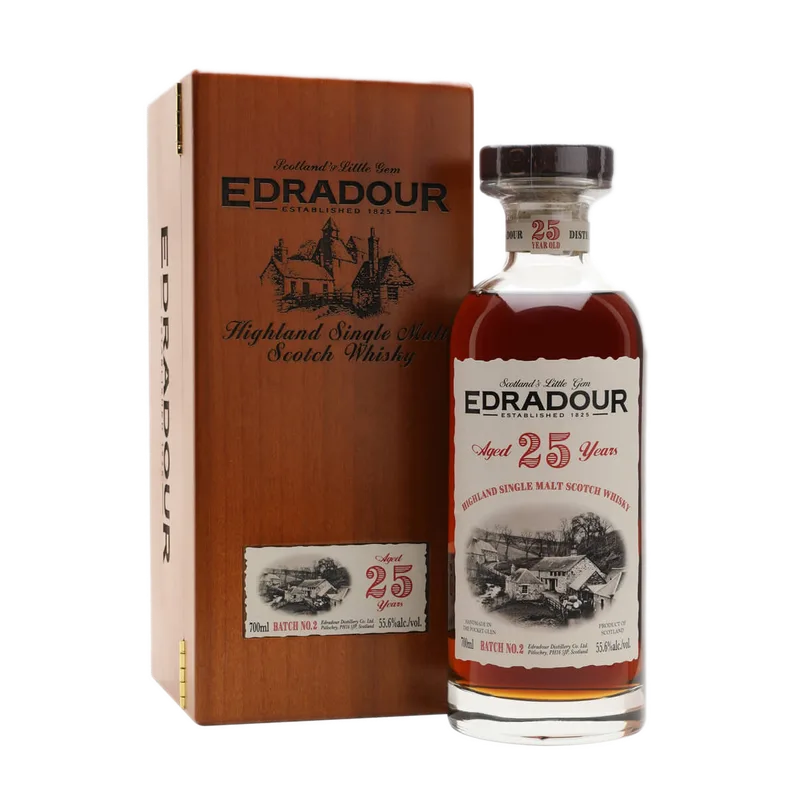
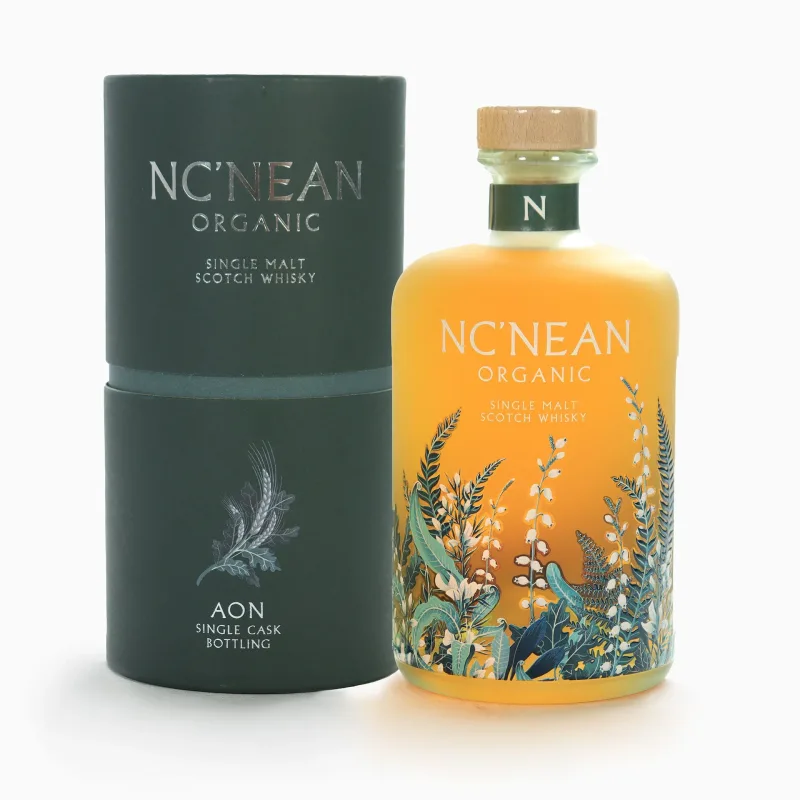
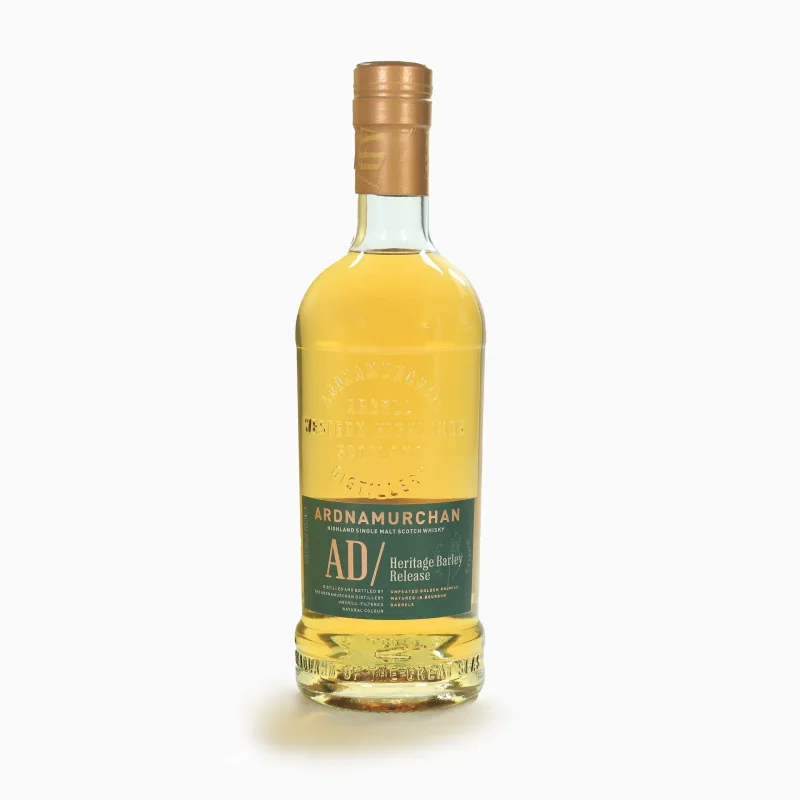
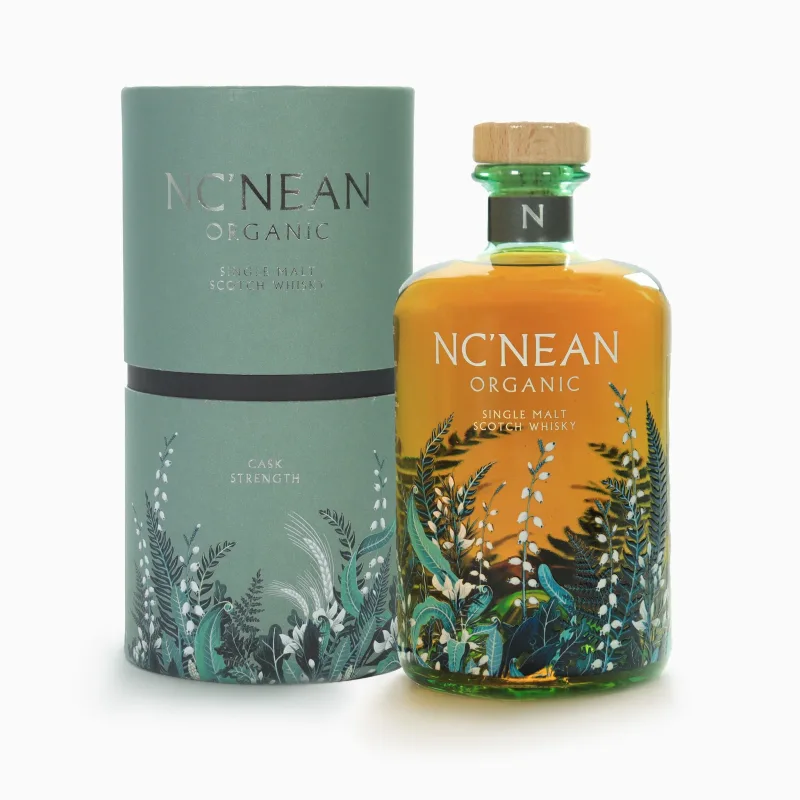
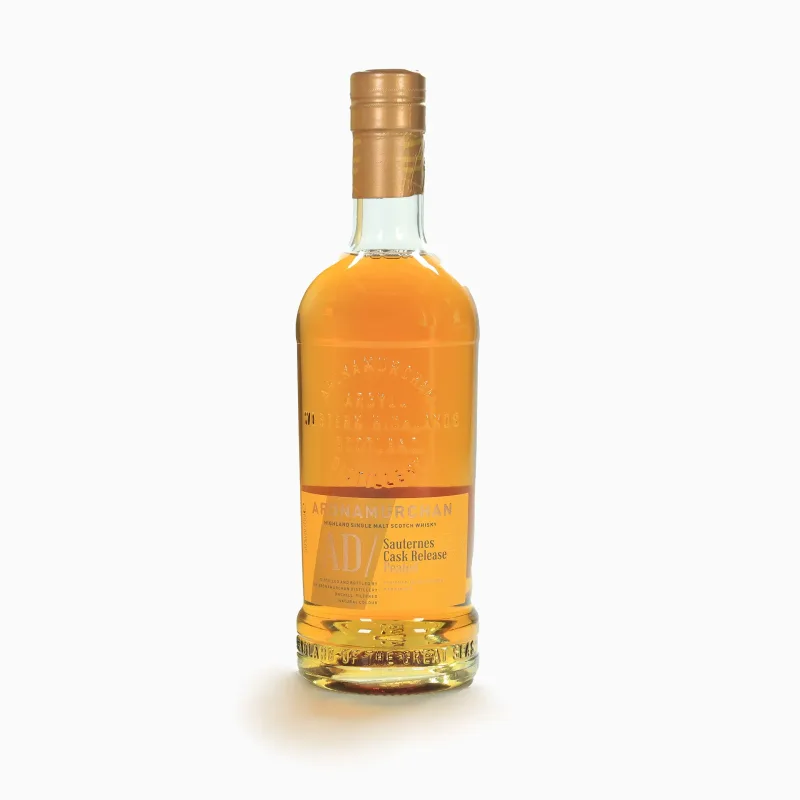
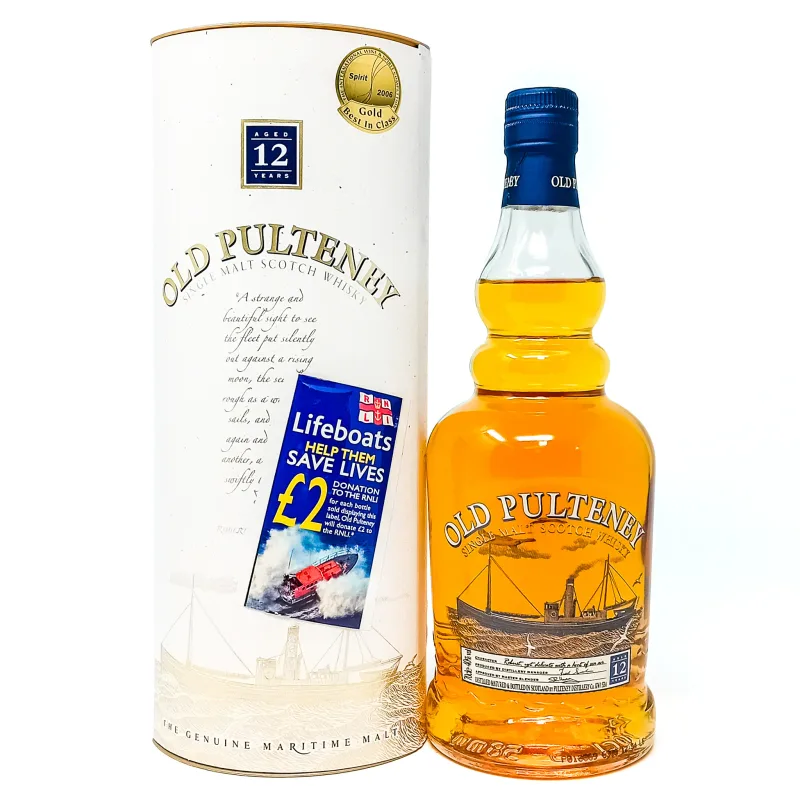
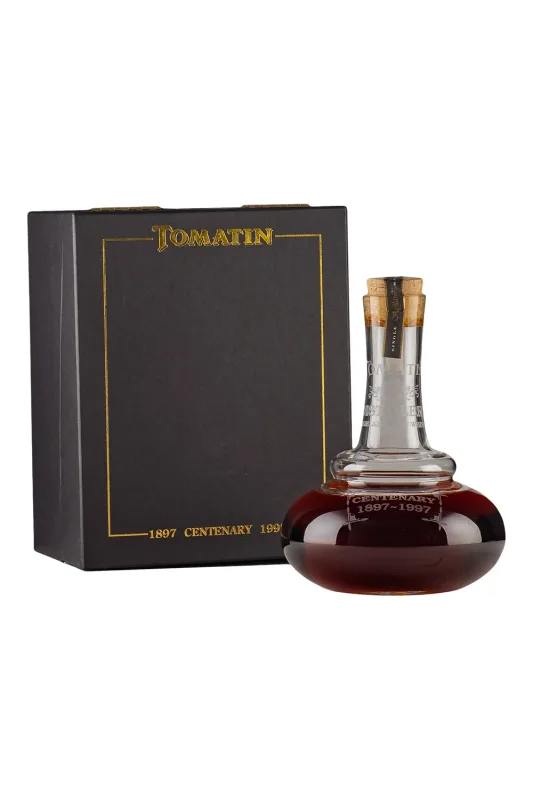
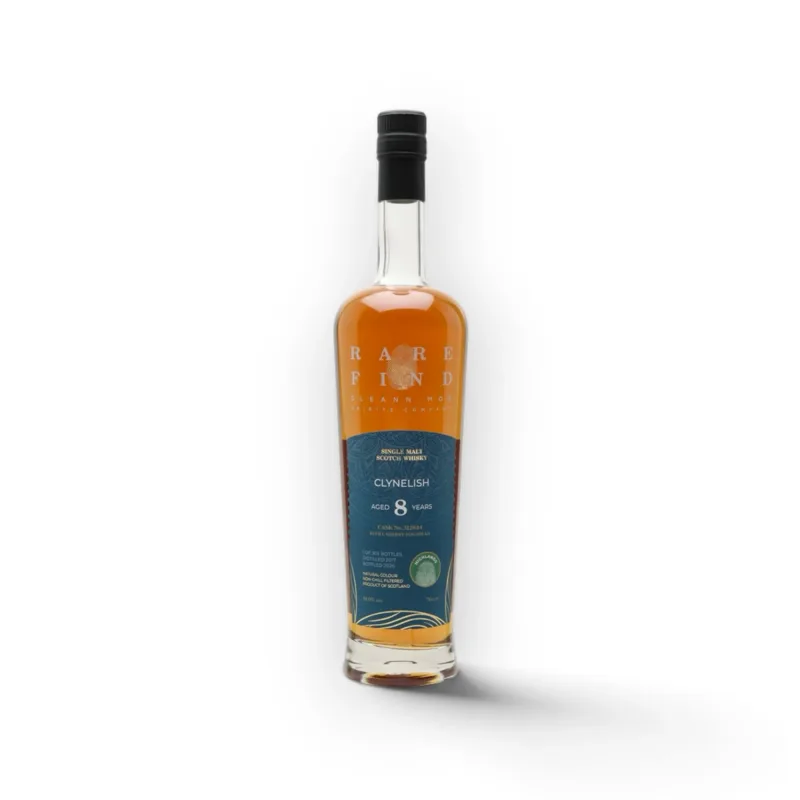
The Highlands section is led by Glenmorangie, Glendronach, Dalmore, Edradour and Ardnamurchan, followed by Ben Nevis, Loch Lomond, Glengoyne, Clynelish and Tomatin. Behind them come Blair Athol, Ardmore, Glen Garioch, Glenturret, Aberfeldy, Fettercairn, Old Pulteney and Oban. For collectors there are closed distilleries such as Brora, Glen Albyn, Glen Mhor, Glenury Royal and Glenesk, and younger names like Wolfburn and Nc'nean.
The Highland region covers most of mainland Scotland north of an old line between Greenock and Dundee, so there is no single Highland style. Northern malts such as Clynelish and Old Pulteney are often waxy or coastal. Glendronach and Dalmore lean on sherry casks. Ardmore and Ardnamurchan are peated, while Glengoyne uses no peat at all. Glenmorangie, in Tain, has some of the tallest stills in Scotland, which gives a light, delicate spirit.
Brora closed in 1983 and reopened in 2021, so earlier bottles hold the original spirit. Glen Albyn and Glen Mhor in Inverness closed in 1983 and were later demolished. Glenury Royal in Stonehaven and Glenesk in Montrose closed in the mid-1980s. Their single malts survive mainly through official rare releases and independent bottlers.
Highland single malts vary more than those of any other Scotch region. Many are rich and fruity with honey, heather and spice, northern coastal malts can be waxy or salty, and some, such as Ardmore and Ardnamurchan, are peated. The region is so large that the distillery matters more than the label "Highland".
Yes. Glenmorangie is made in Tain in the northern Highlands and was founded in 1843. Its stills are among the tallest in Scotland, giving a light, floral spirit, and it is known for cask finishes in port, sherry and wine casks. Its limited editions have included A Tale of Ice Cream and other one-off cask experiments.
No. Brora in Sutherland closed in 1983 and reopened in 2021 after being rebuilt by its owner, Diageo. Bottles distilled before 1983 contain the original spirit and are among the most collected Highland malts. New Brora whisky will take many years to reach a comparable age.
Speyside is a small area around the River Spey that Scotch whisky law treats as its own region, and its malts tend to be fruity and often sherried. The Highland region covers most of the rest of mainland Scotland and includes everything from light, floral malts to peated and coastal ones. Both regions make mostly single malt from malted barley in pot stills.
The Dalmore Cigar Malt is a single malt from Dalmore in Alness, in the northern Highlands, created to be paired with a cigar, with a rich, sherried profile of dark fruit, orange and spice. It has been released in several versions over the years with different casks and strengths, so check the label of the bottle you are buying.
About Glenbotal
The idea of Glenbotal came to us naturally: as whisky lovers, we were always on the lookout for new experiences in the whisky world. That’s why we created Glenbotal and became our very own first customers. We buy unique and hard to find spirits from ballots and private collections. Then, we share them with a small circle of friends and people who can appreciate a good dram.