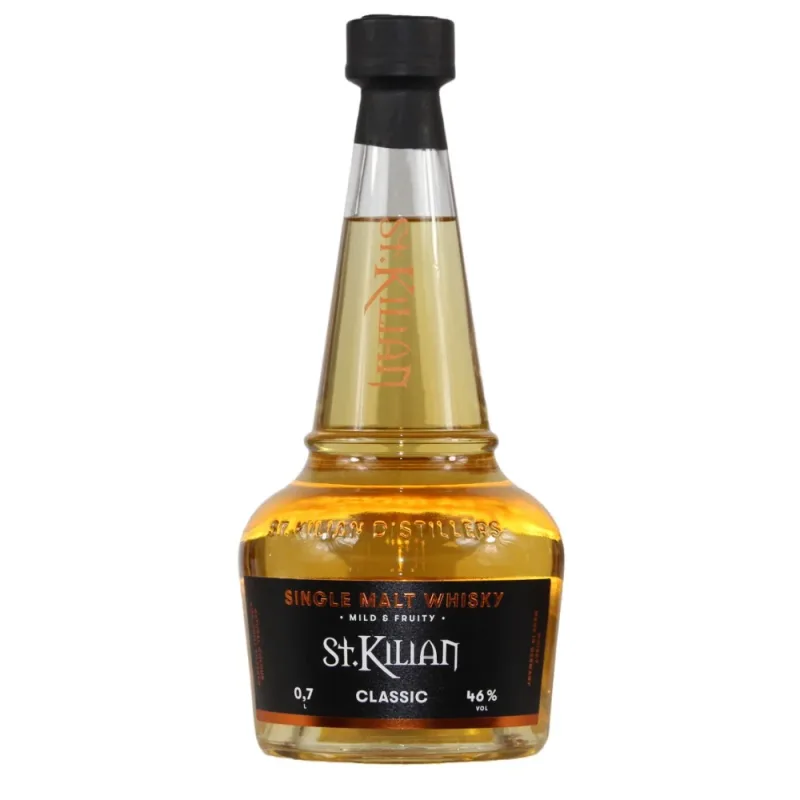
St.Kilian – Classic Mild & Fruity
70cl / 46%
US$69.00

Scotland
Rest of the world
59 bottles
70cl / 46%
US$69.00
70cl / 46%
US$69.00
70cl / 50%
US$89.00
50cl / 54.6%
US$69.00
52.9%
US$139.00
53.3%
US$179.00
54.1%
US$179.00
50.5%
US$169.00
52.4%
US$119.00
52.8%
US$179.00
55.6%
US$349.00
70cl / 59.1%
US$209.00
70cl / 48%
US$129.00
70cl / 40%
US$69.00
50cl / 59.8%
US$99.00
50cl / 58.8%
US$109.00
50cl / 55%
US$99.00
75cl / 55%
US$189.00
75cl / 45%
US$99.00
70cl / 45%
US$89.00
70cl
US$149.00
70cl / 49%
US$99.00
US$109.00
US$109.00
70cl / 49%
US$99.00
70cl / 58%
US$129.00
58.8%
US$179.00
US$109.00
US$119.00
70cl / 59%
US$169.00
70cl / 46%
US$119.00
70cl / 56.4%
US$149.00
70cl / 46%
US$69.00
70cl / 46%
US$99.00
50cl / 53.3%
US$69.00
70cl / 46%
US$99.00
70cl / 46%
US$99.00
70cl / 46%
US$99.00
70cl / 46%
US$99.00
70cl / 46%
US$99.00
70cl / 45%
US$49.00
50cl / 55.1%
US$219.00
70cl / 47%
US$89.00
70cl / 57.8%
US$169.00
70cl / 40%
US$119.00
70cl / 49%
US$109.00
70cl / 50.3%
US$189.00
50cl / 52.5%
US$69.00
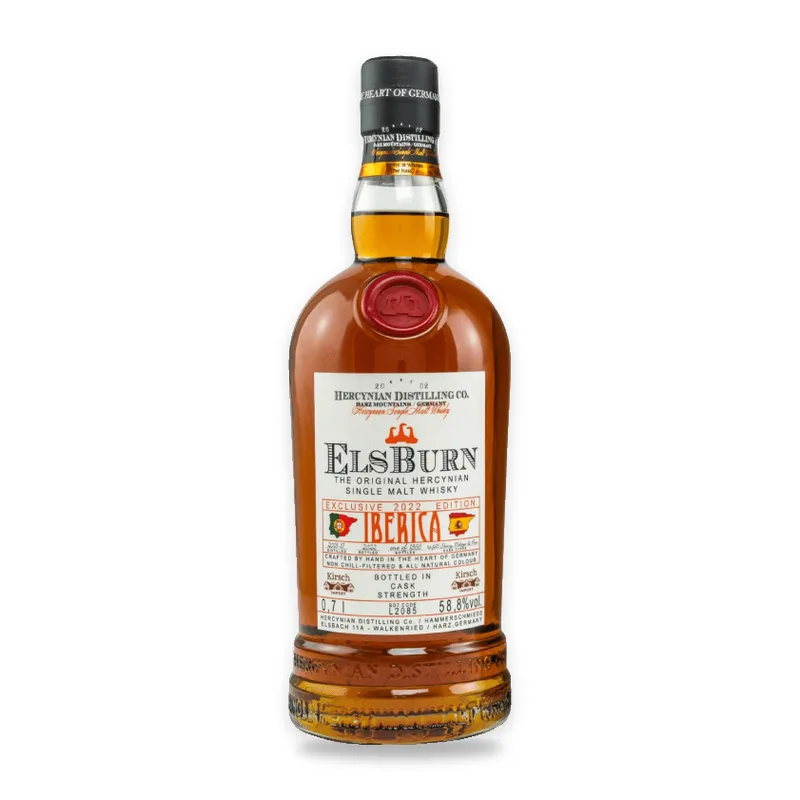
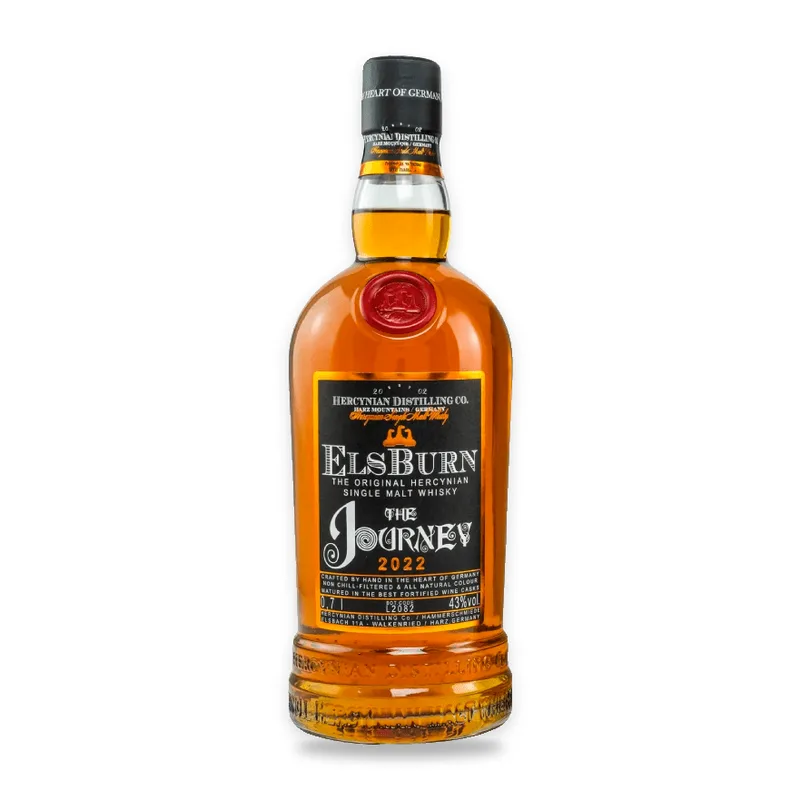
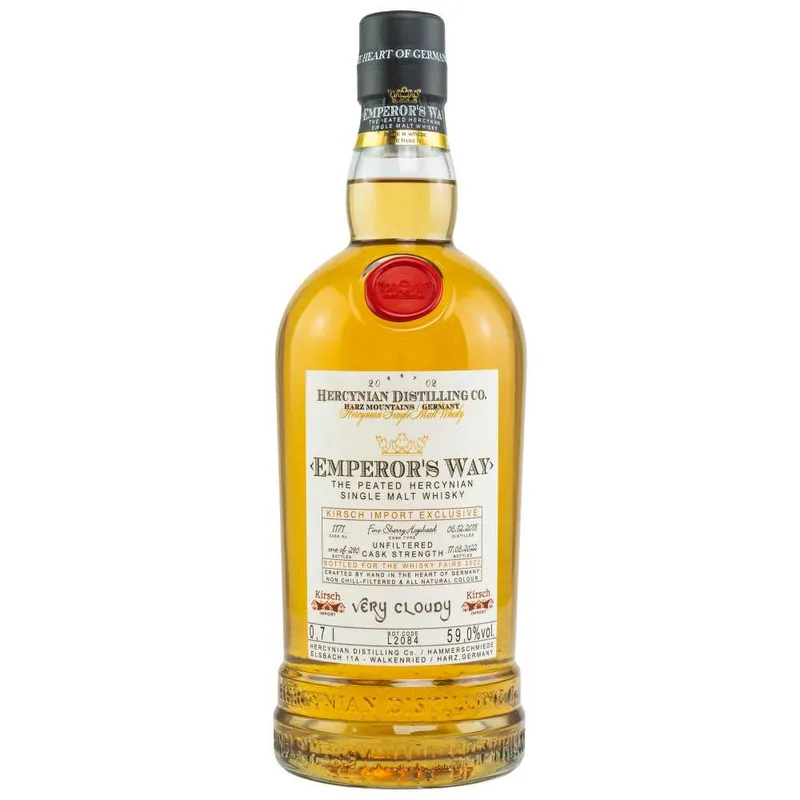
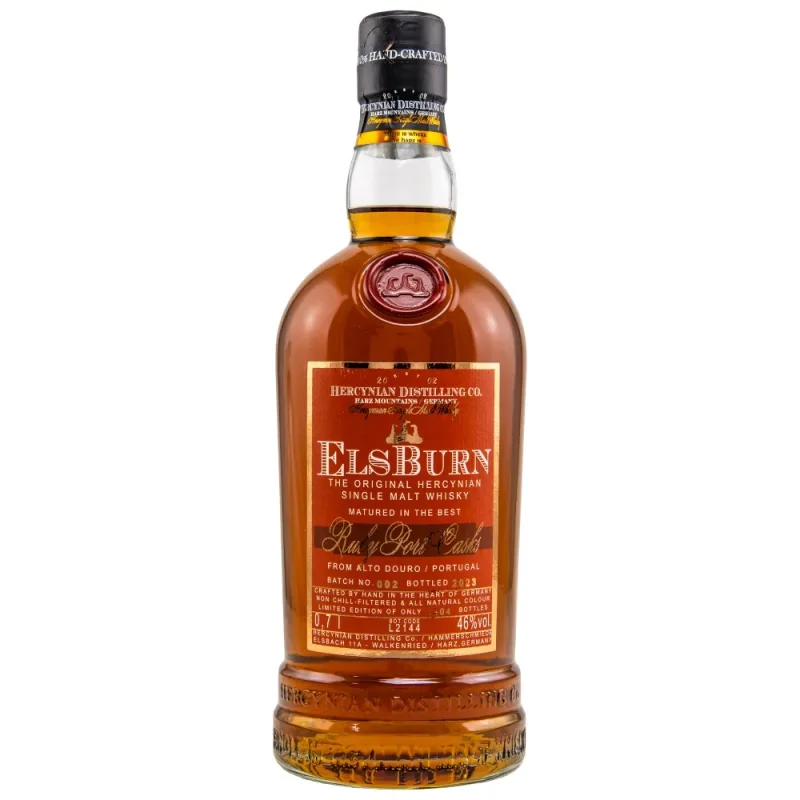
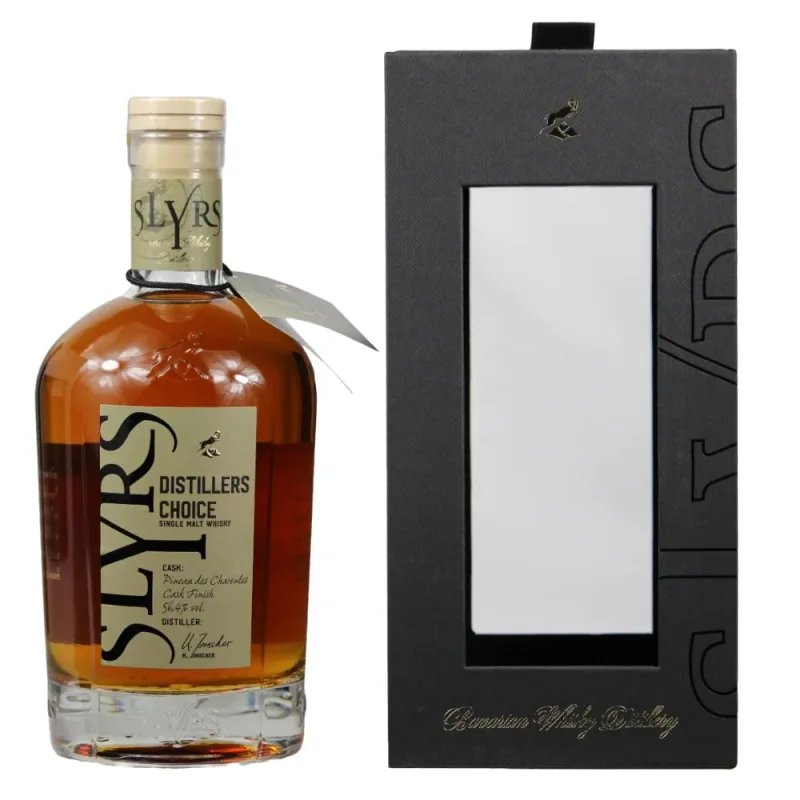
The German section is led by St. Kilian from Franconia and Slyrs from Bavaria, followed by the Hercynian Distilling Co. with its Elsburn single malts, Spreewood Distillers, Feinbrennerei Northoff, Nine Springs and finch. Most bottles are single malts, often young and without an age statement, with a number of rye whiskies. Batch and single cask releases are common.
Germany has a long tradition of fruit brandy and schnapps, and many of its whisky makers began as brandy distilleries adding a malt spirit to their range. Slyrs, at Schliersee in Upper Bavaria, began distilling single malt in 1999 and is among the best known. St. Kilian, which started distilling in 2016, has built a reputation for peated and cask strength releases. There are now more than a hundred whisky producers in Germany, most of them small.
German whisky has no regional rules beyond the European whisky definition: grain spirit aged at least three years in wood. Producers use a wide range of casks, including German wine, sherry, port and chestnut, and some smoke their malt over beech wood instead of peat. Rye whisky, especially from Spreewood in Brandenburg, is another strength.
German whisky has grown quickly in quality, and producers such as St. Kilian, Slyrs and Hercynian (Elsburn) have won international recognition. Many began as fruit brandy distilleries and bring strong distilling skills. Most German whiskies are young single malts with bold cask influence.
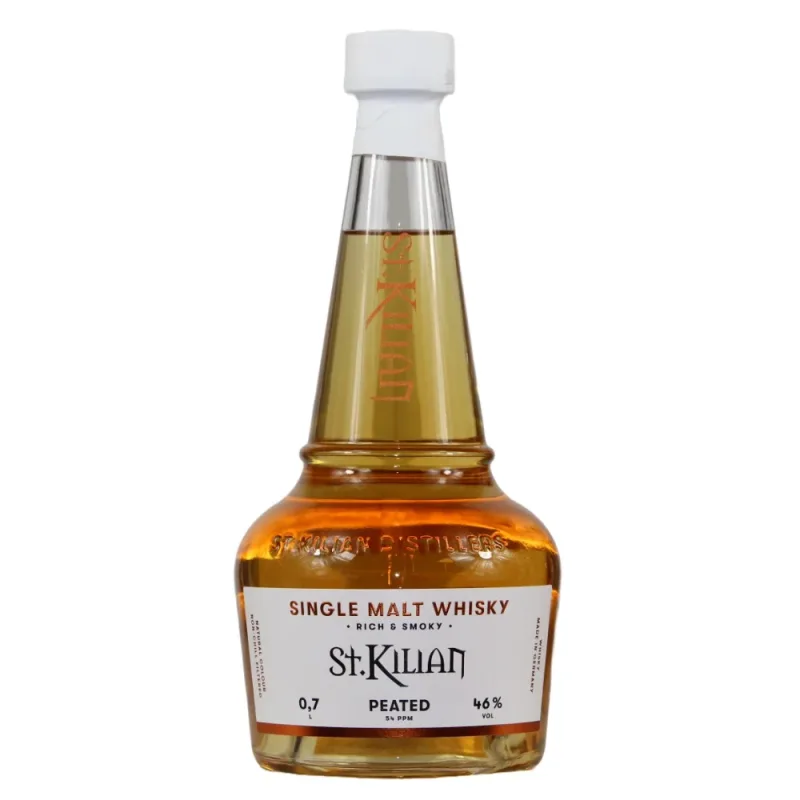
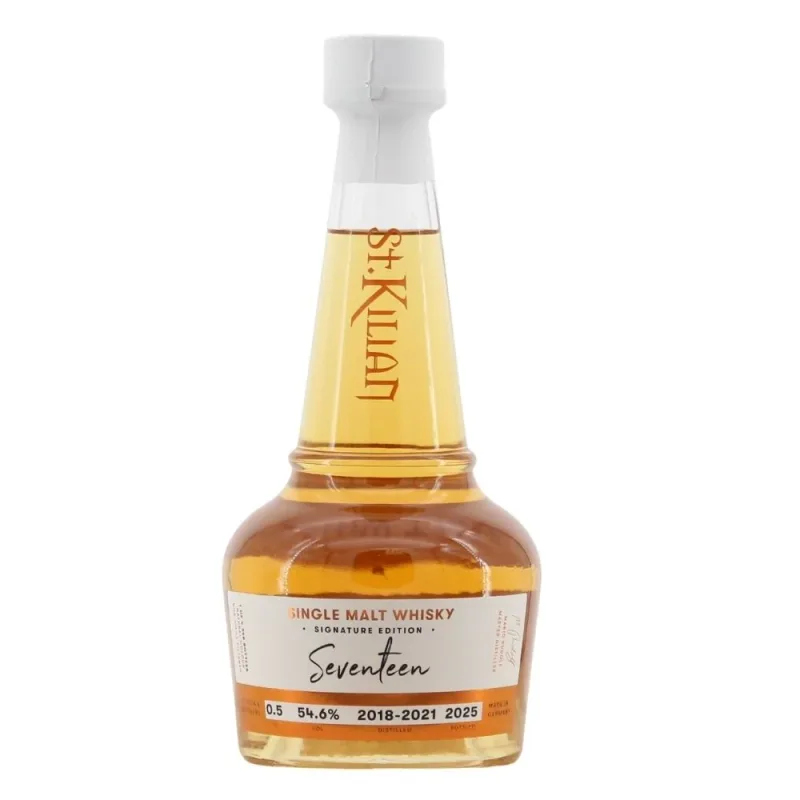
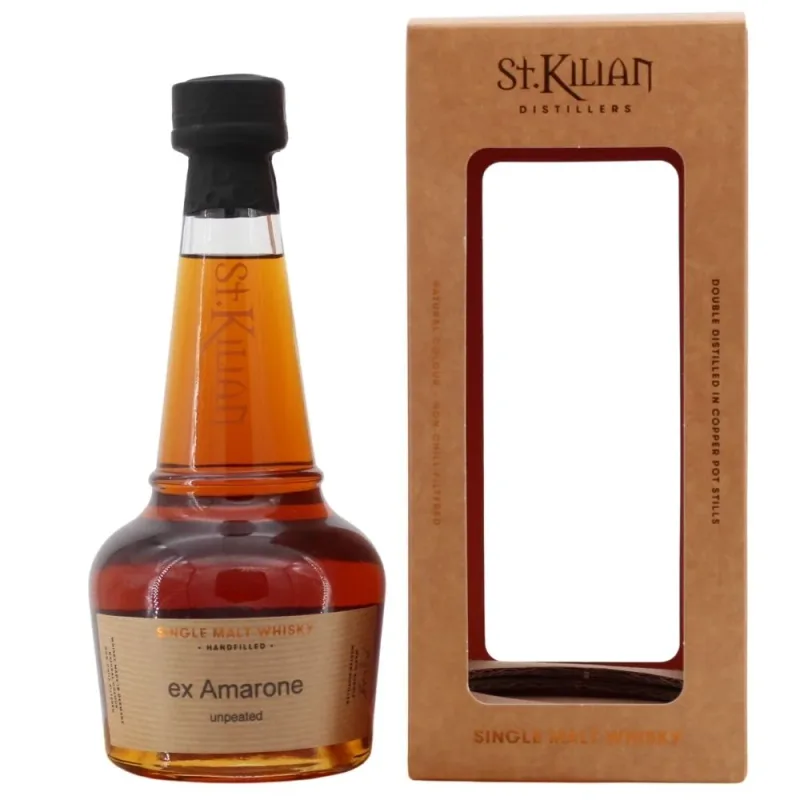
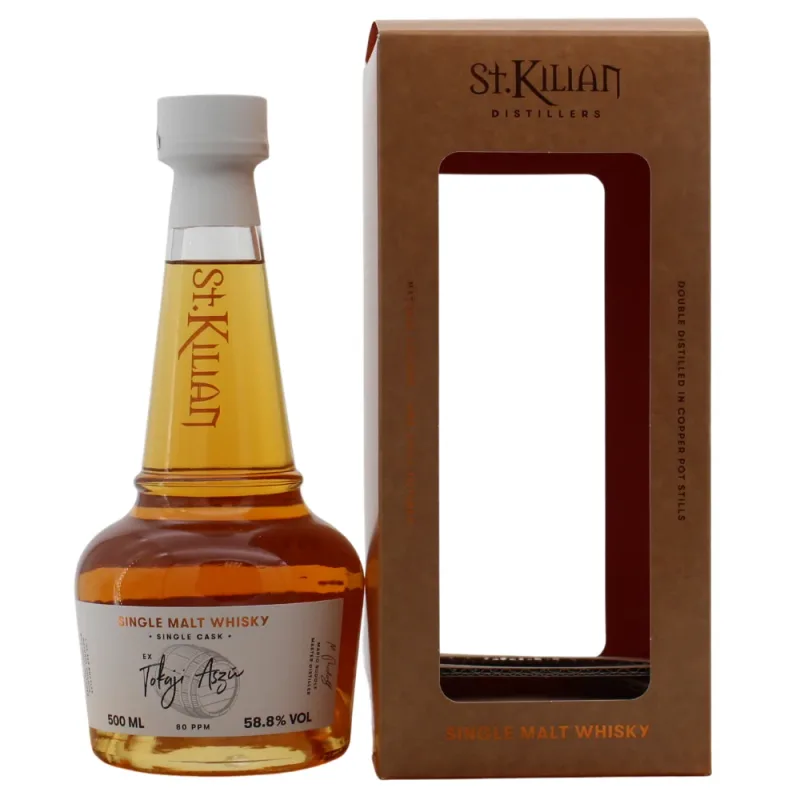
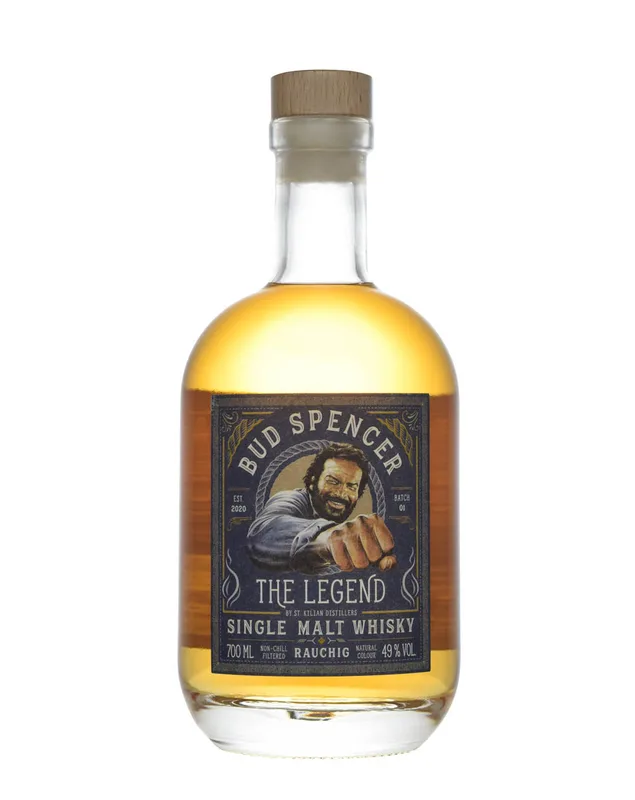
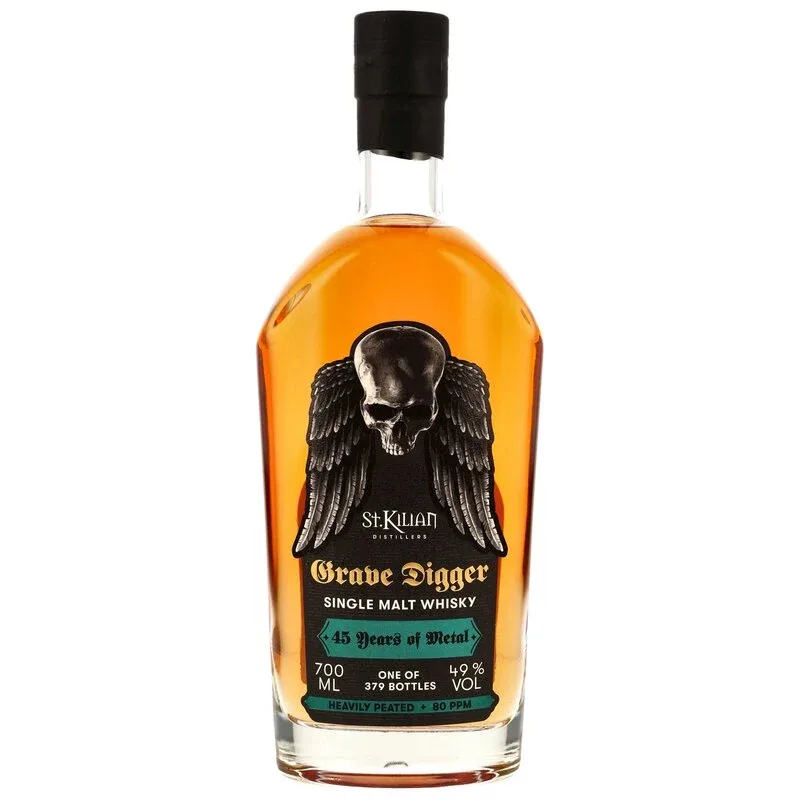
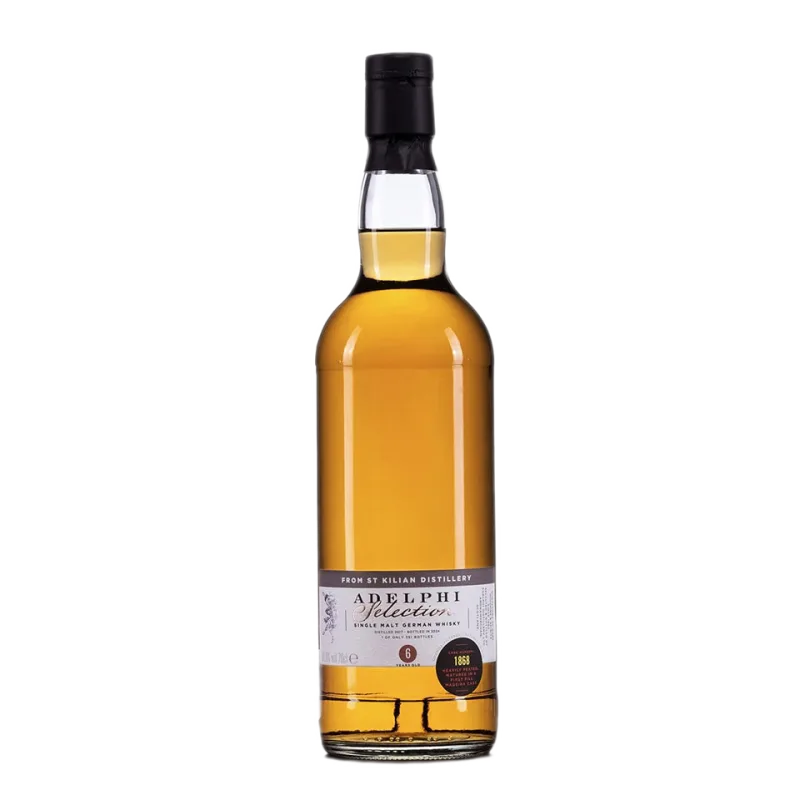
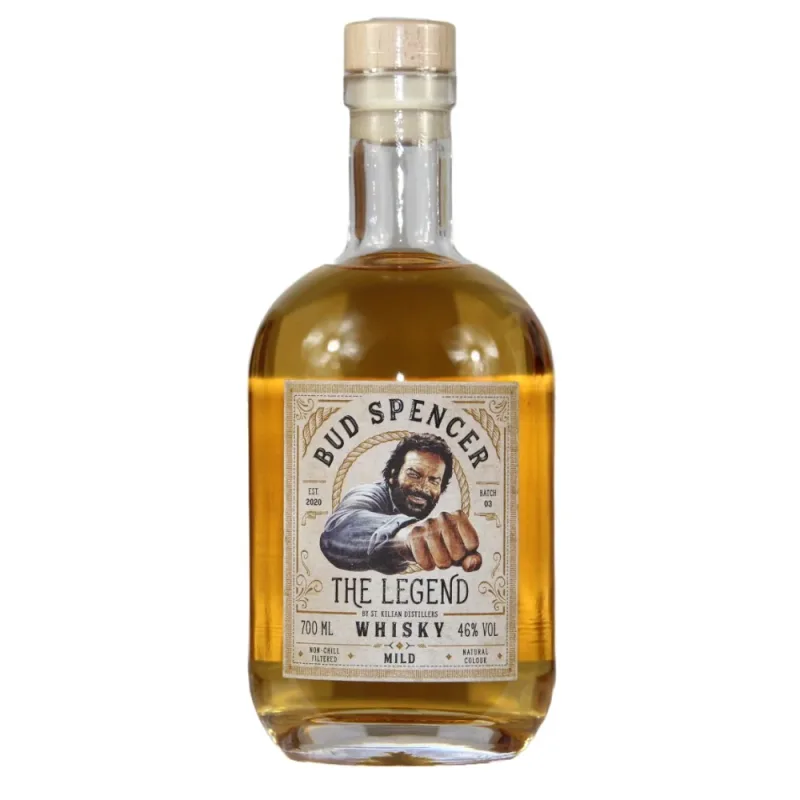
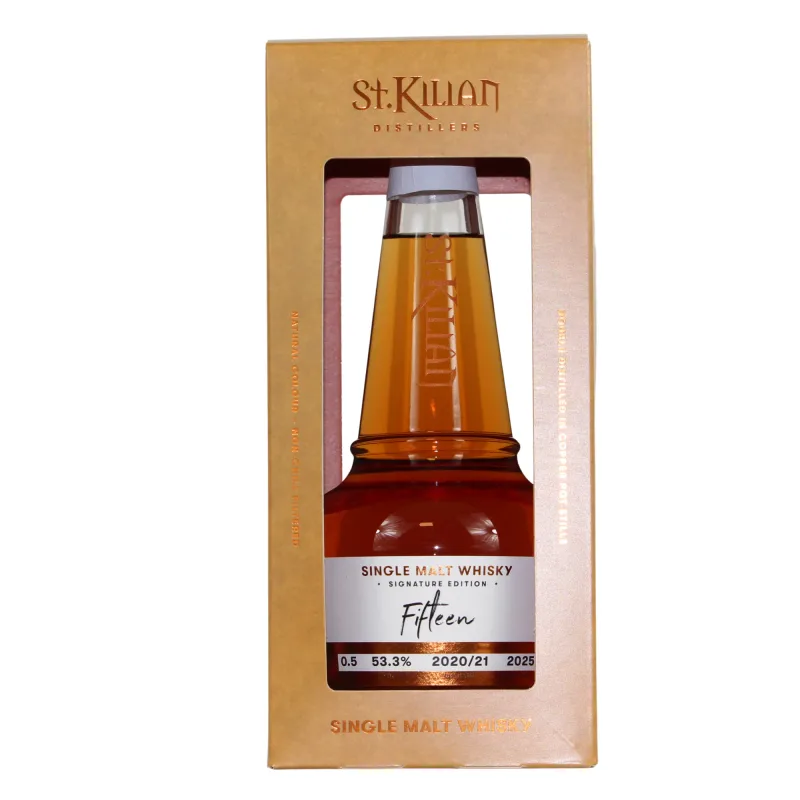
St. Kilian is a whisky distillery in Rüdenau in Lower Franconia, Bavaria, which began distilling in 2016. It makes peated and unpeated single malts, often at cask strength, and matures them in a wide range of cask types. Its limited editions and single casks are popular with collectors.
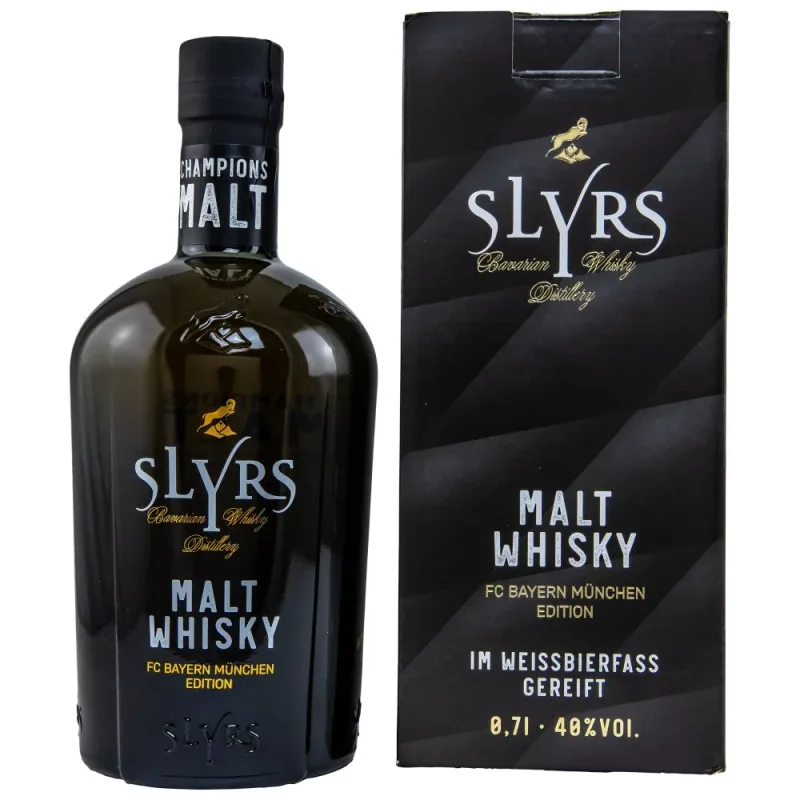
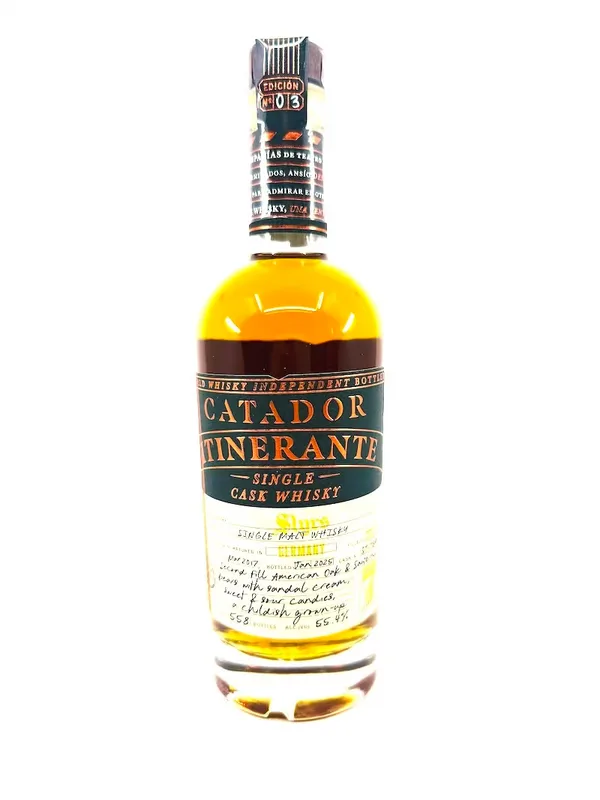
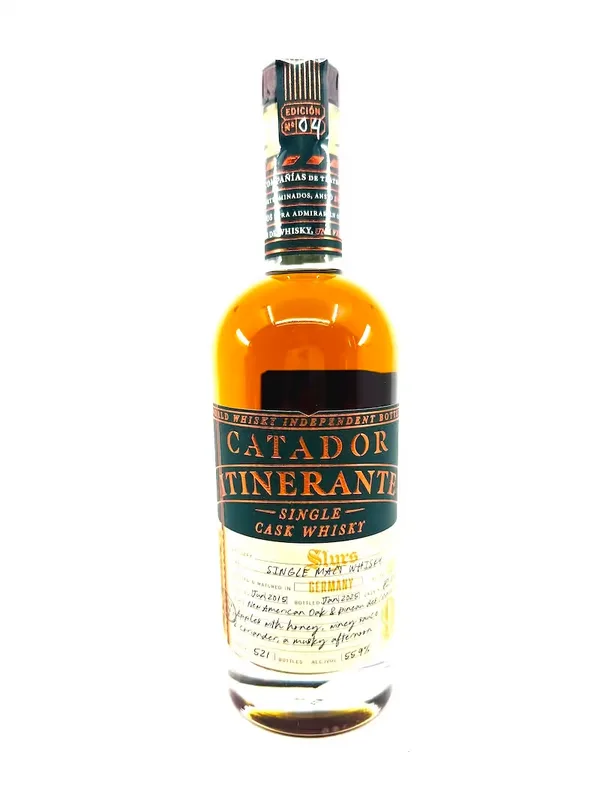
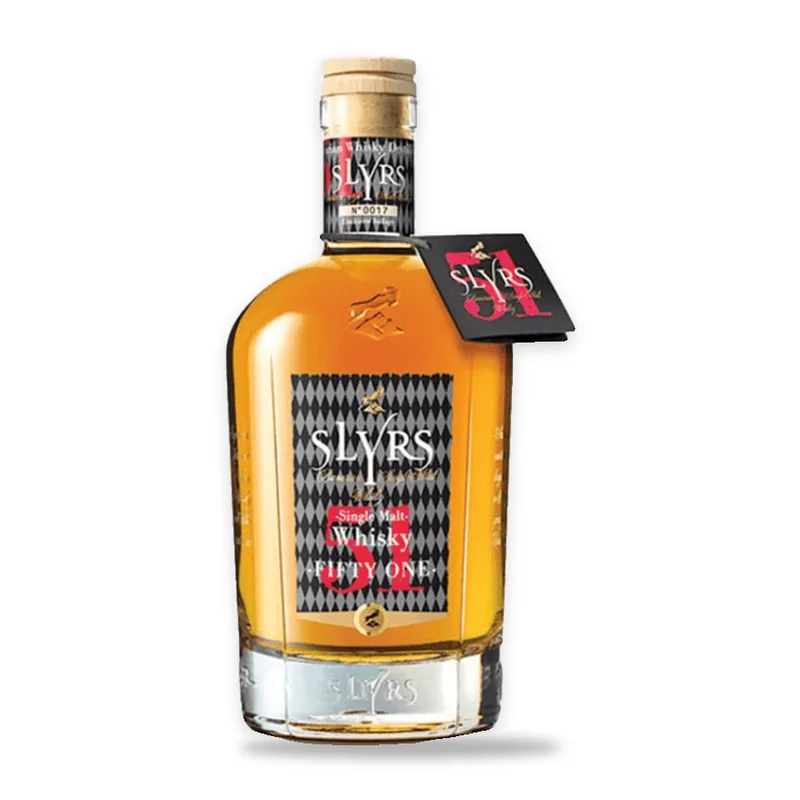
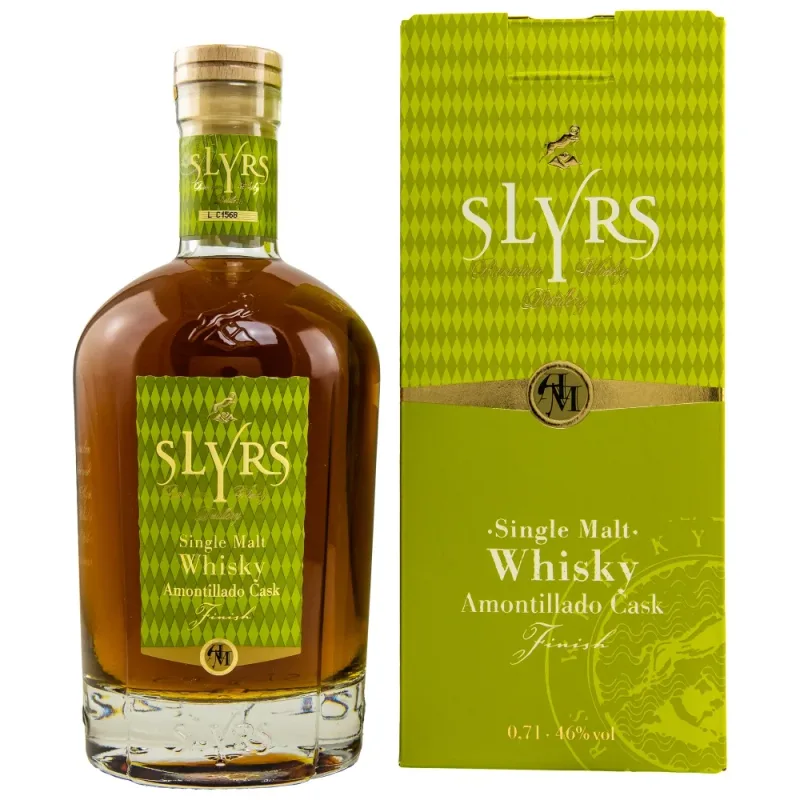
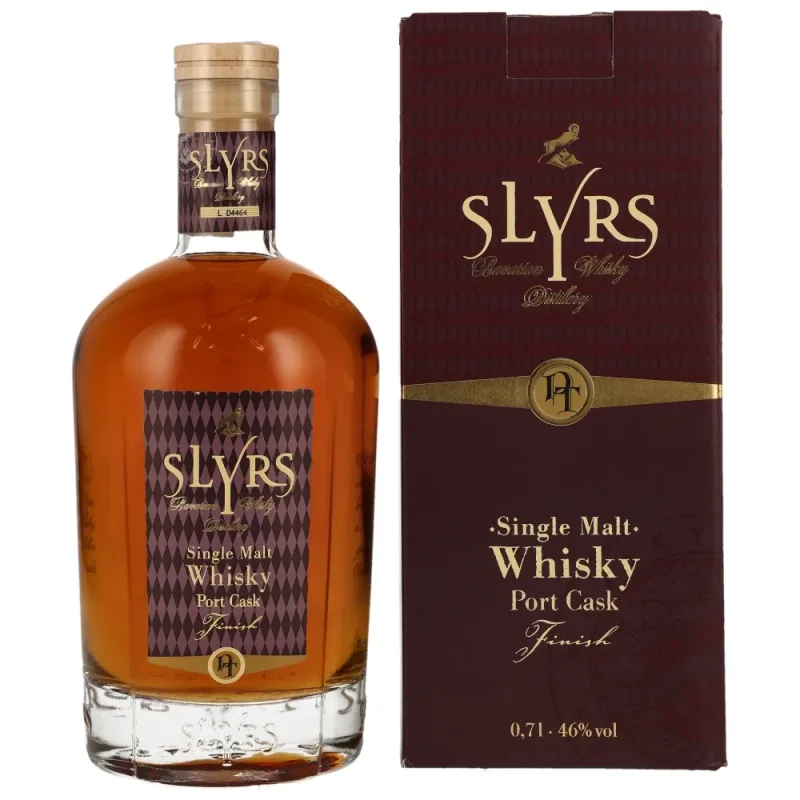
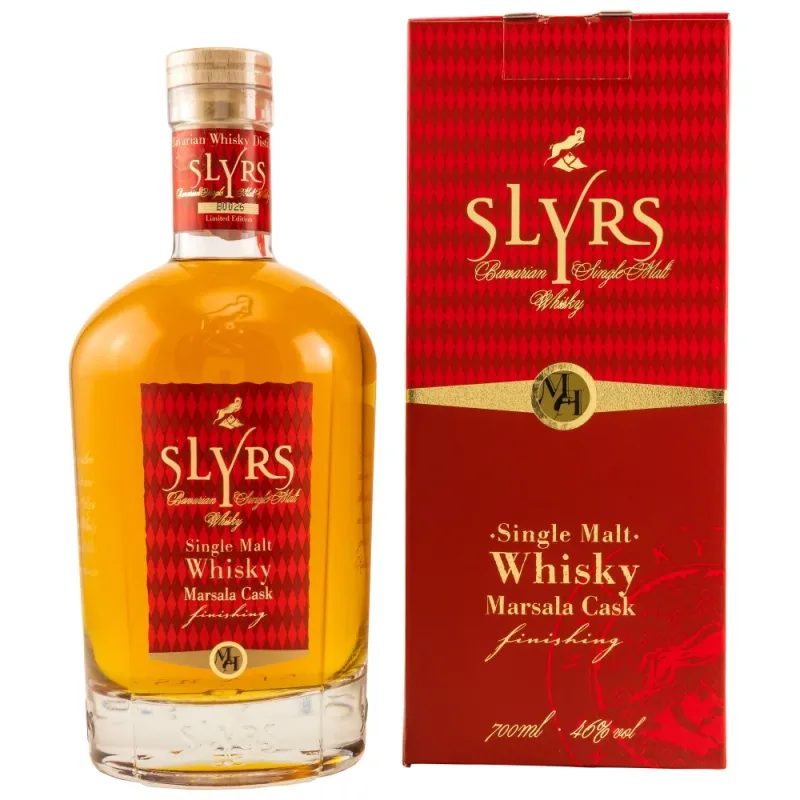
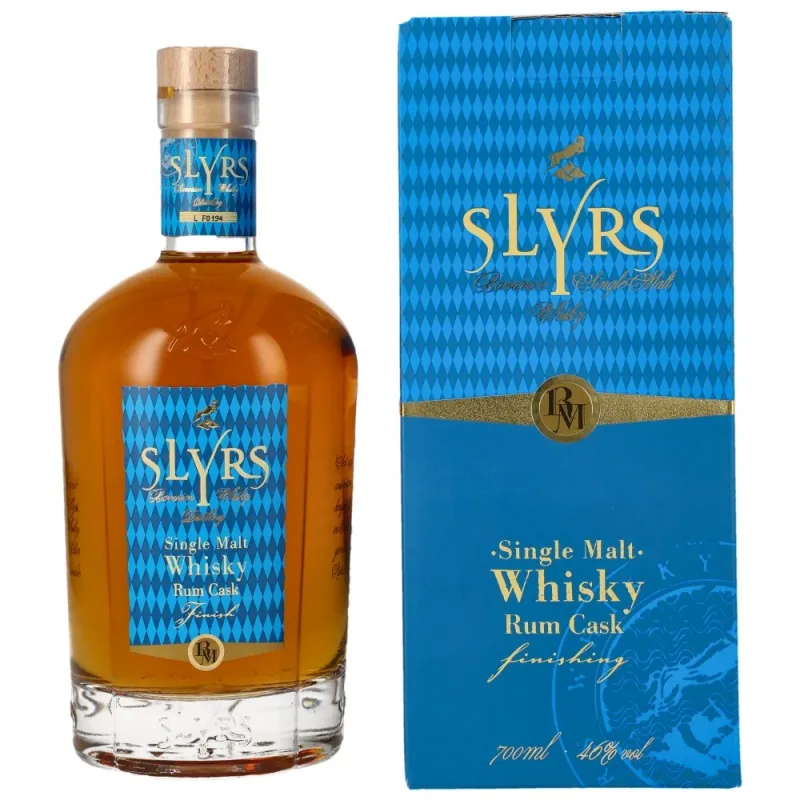
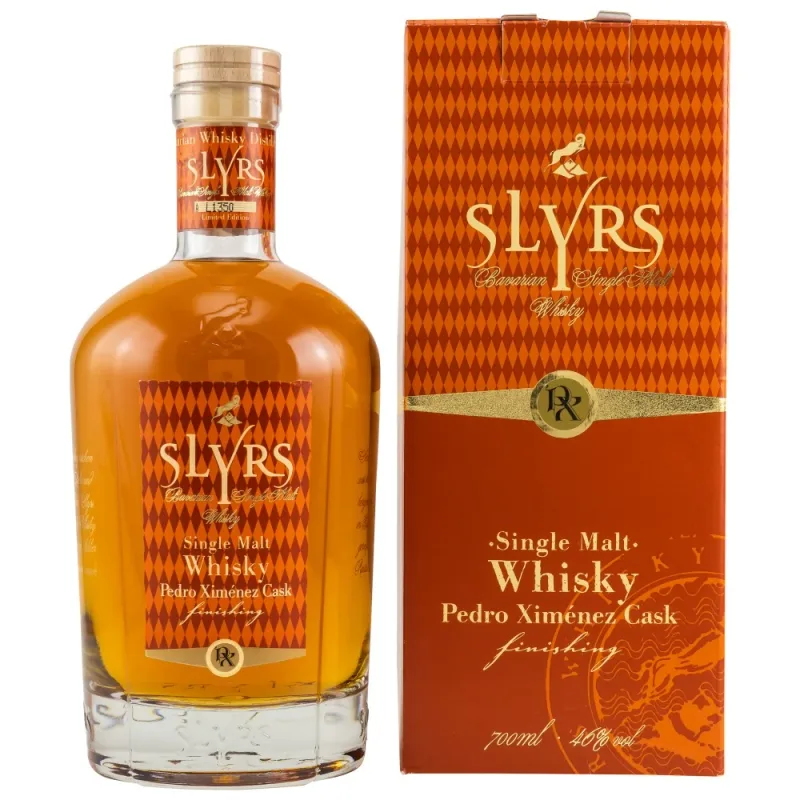
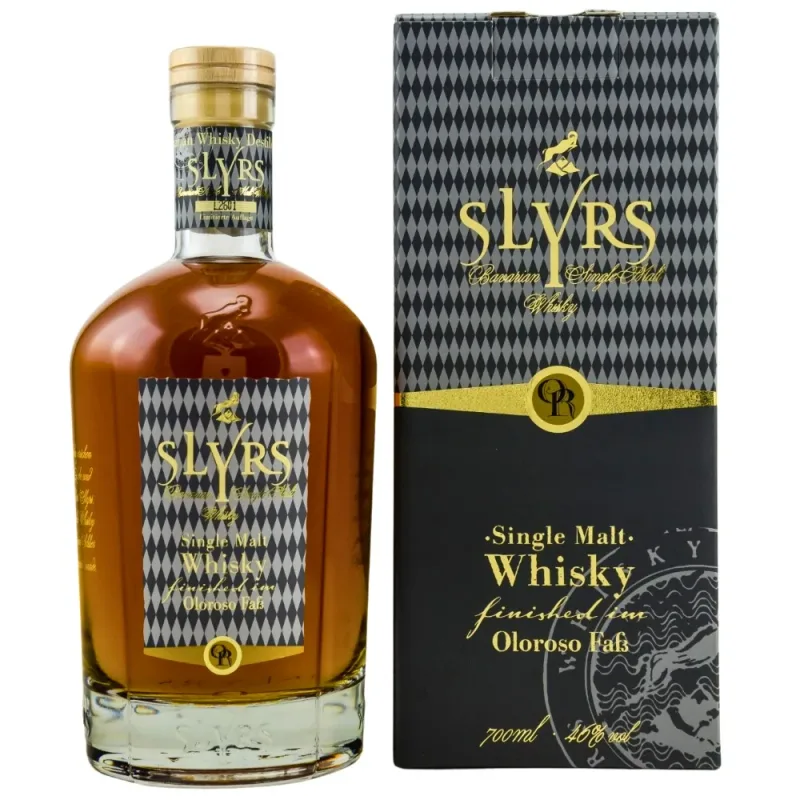
Slyrs, at Schliersee in Upper Bavaria, began making single malt whisky in 1999. It grew out of an existing distillery and is one of the best-known German whiskies. Slyrs releases include a core Bavarian single malt, cask finishes and older age-stated bottlings.
German whisky follows the European Union definition of whisky, which requires at least three years of ageing in wooden casks. Producers may use any type of wooden cask, and many choose German wine, sherry or chestnut casks. Many German whiskies are released soon after the three-year minimum.
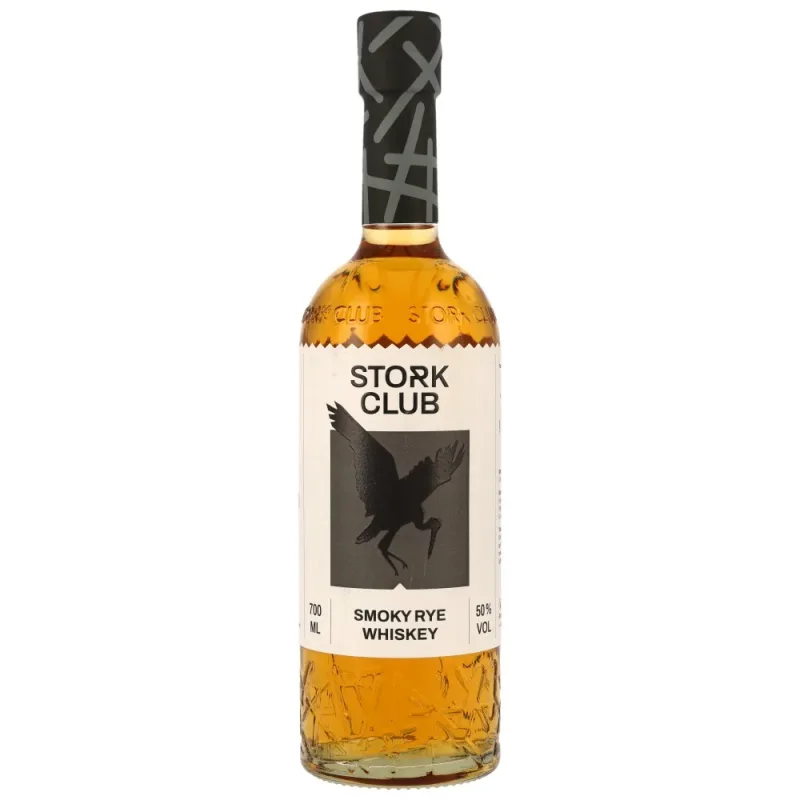
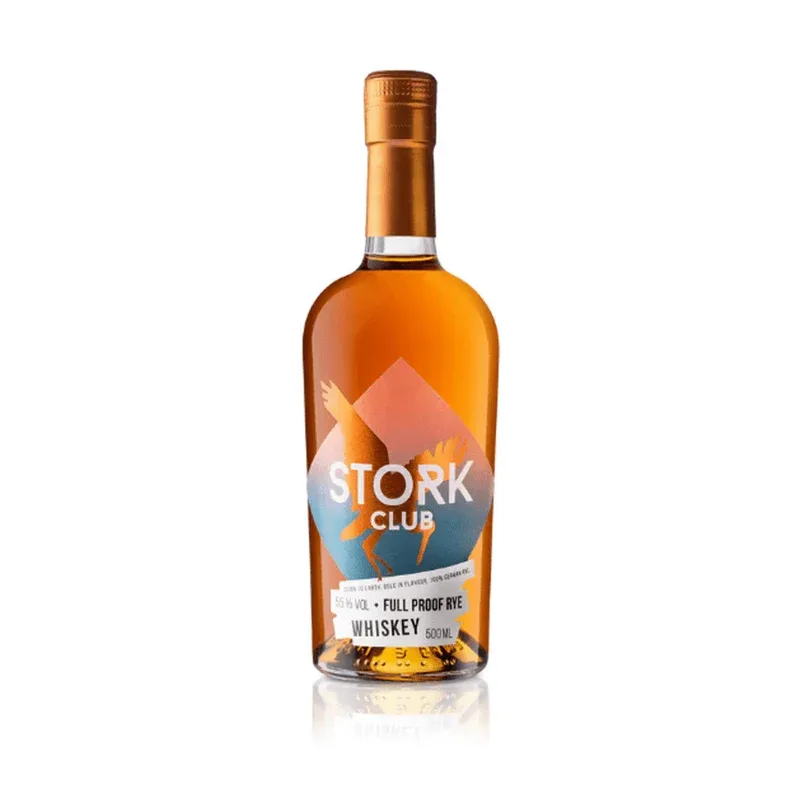
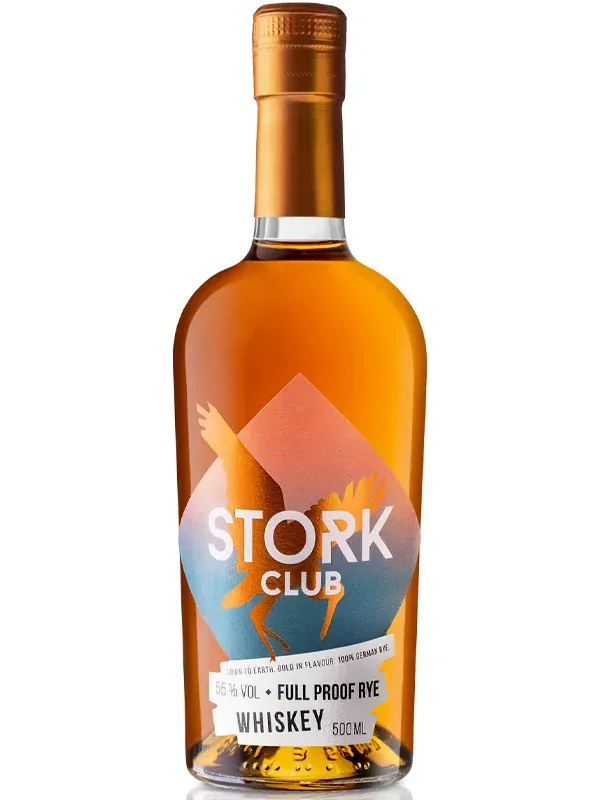
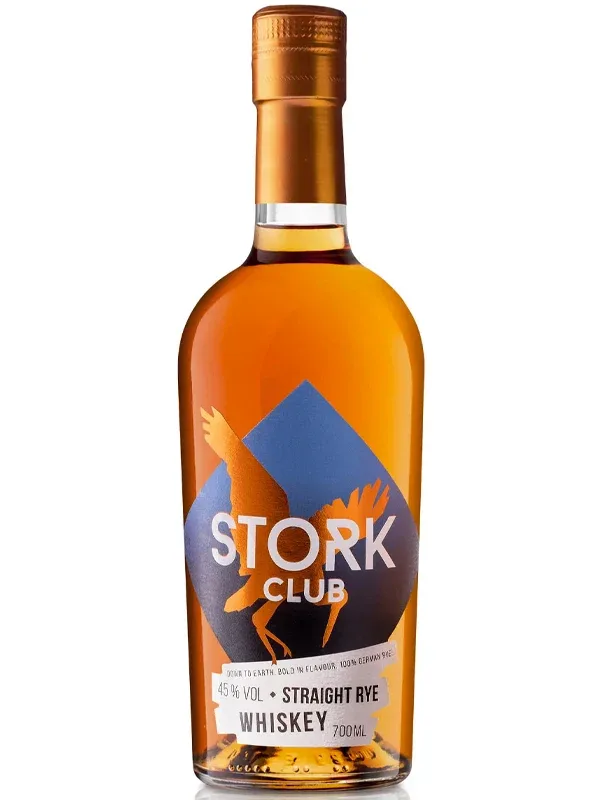
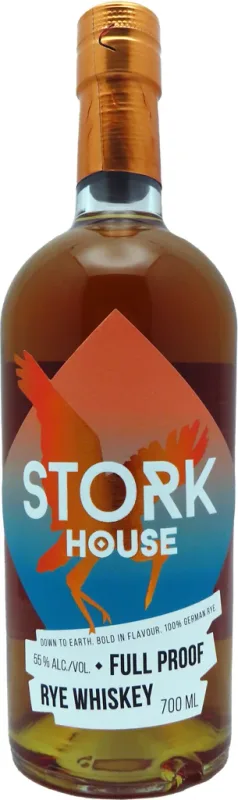
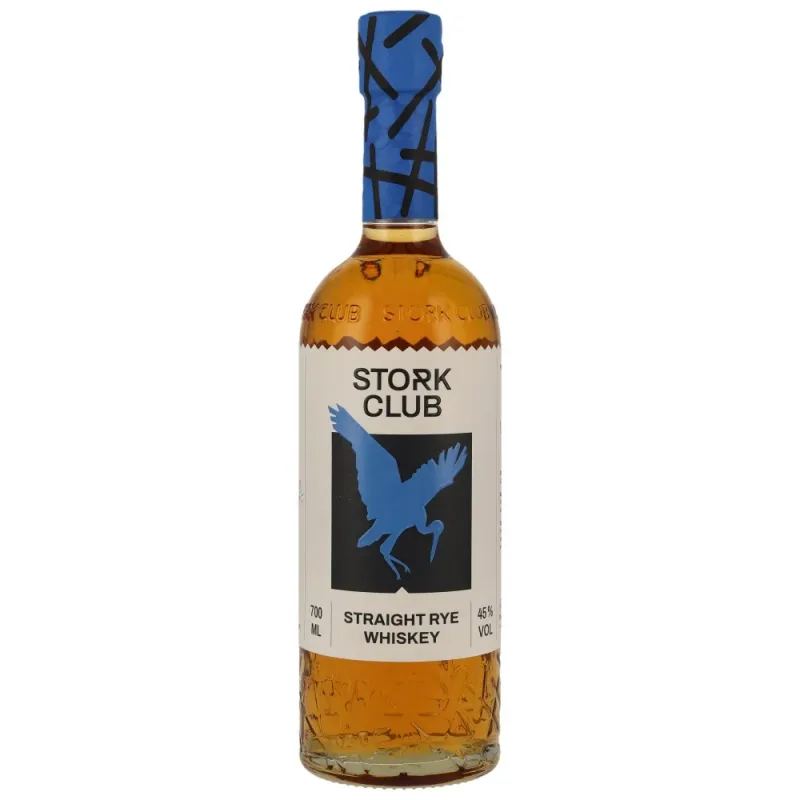
Yes. Several German distilleries make rye whisky, and Spreewood Distillers in Brandenburg is particularly known for its Stork Club rye. German rye whiskies are often made from local rye and aged in German oak or wine casks. Rye has a long history in German grain spirits.
About Glenbotal
Glenbotal is an online marketplace for rare, collectable and limited-edition whisky and other spirits. Bottles are listed by partner shops and private sellers, each described as it is, and delivered to the UK and many other countries. Looking for one bottle in particular? Ask us through Find my bottle.